
Drafty rooms on outside walls
If a bedroom on an outside wall feels drafty or runs warmer than the rest of the house, empty wall cavities are a common reason, and filling them evens that room out.
If a room on an outside wall feels drafty or never settles at the temperature you set, we fill those walls and patch the holes.
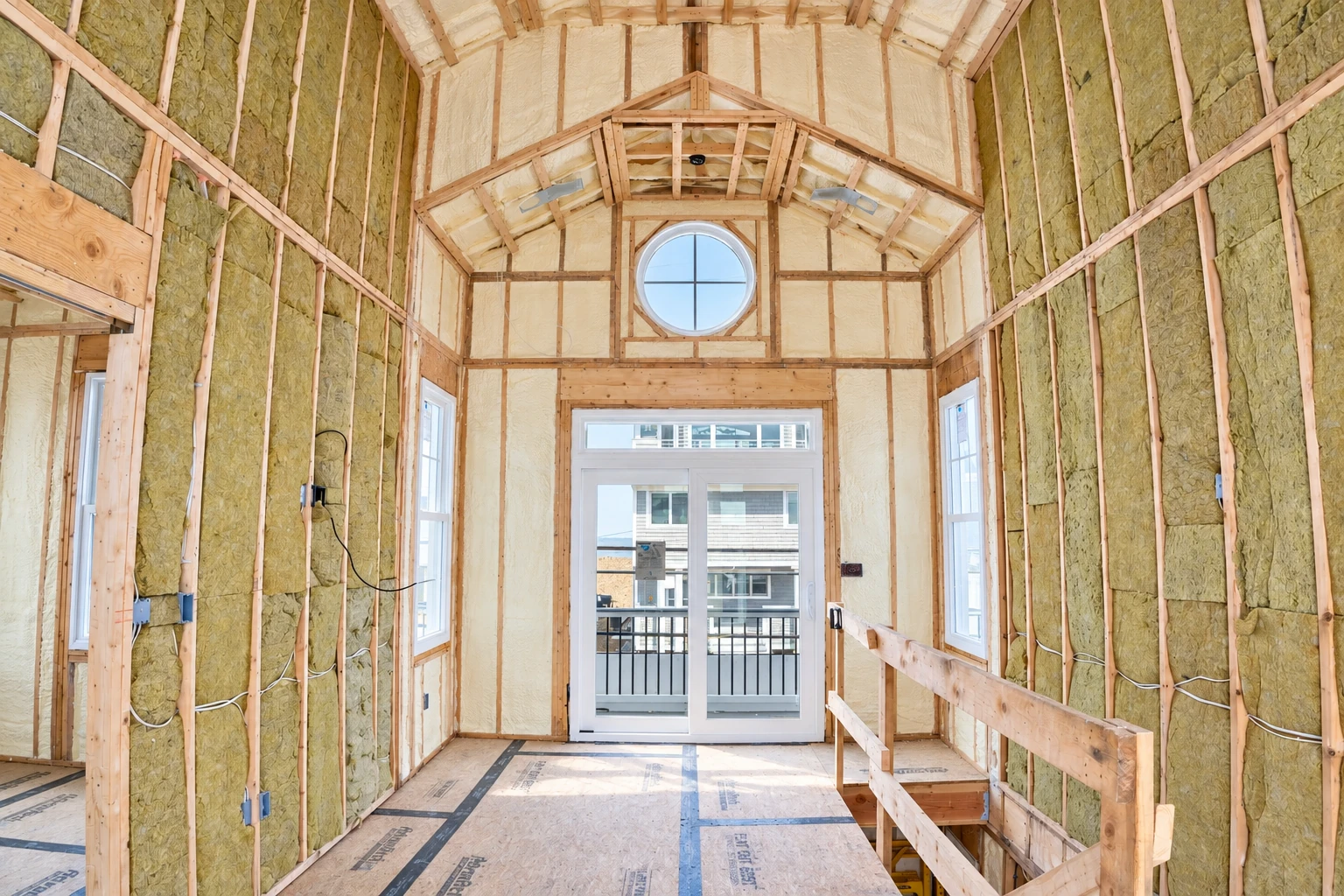
Wall insulation in Charleston, SC fills the empty spaces inside your existing walls without tearing them out, so rooms along outside walls stop feeling drafty and hold the temperature you set.
Most people call because one room never feels right, or because the power bill keeps climbing even after the attic was done. On walls, the price depends on how many need filling, whether we work from inside or outside, and what has to be fixed first, like a wet spot or old wiring. The schedule turns on the same things, plus any siding plans and permit. The estimate is where you get the figure for your house.
We're licensed and insured. Before we quote, we check whether your address falls under a city or county office, since that decides who you'd deal with, and if the work needs a permit, we handle the application and keep you posted on where it stands.
I do the estimate myself, our installers do the filling, and I come back at the end to look it over with you, so the person who explained the job also answers for it.
A lot of our calls come from people holding a few quotes they can't tell apart. Ours is written out step by step, prep work included, so you can line it up against the others.
I spent years on the selling side, and I'd rather lose a sale than talk you into filling walls that don't need it. Sometimes the fix is smaller than you expected, and I'll say so.
For finished walls, we fill from inside or outside, and the choice comes down to access and the condition of your house wrap, the weather layer under the siding. Drilling from outside cuts through that wrap, so it has to be patched or replaced, while working from inside leaves it alone.
Before we drill any holes, I look for moisture in the siding, the sheathing behind it, the window and door framing and the inside wall finish, because filling a wet wall hides the problem instead of solving it. If there's damage, repairs come first and the insulation waits until they're done. I also check for knob and tube wiring, the old cloth-covered kind strung on porcelain knobs, since the electrical code allows no insulation on or around it. In homes built before 1980, lead safety rules can apply depending on how much of the wall we disturb inside and out.
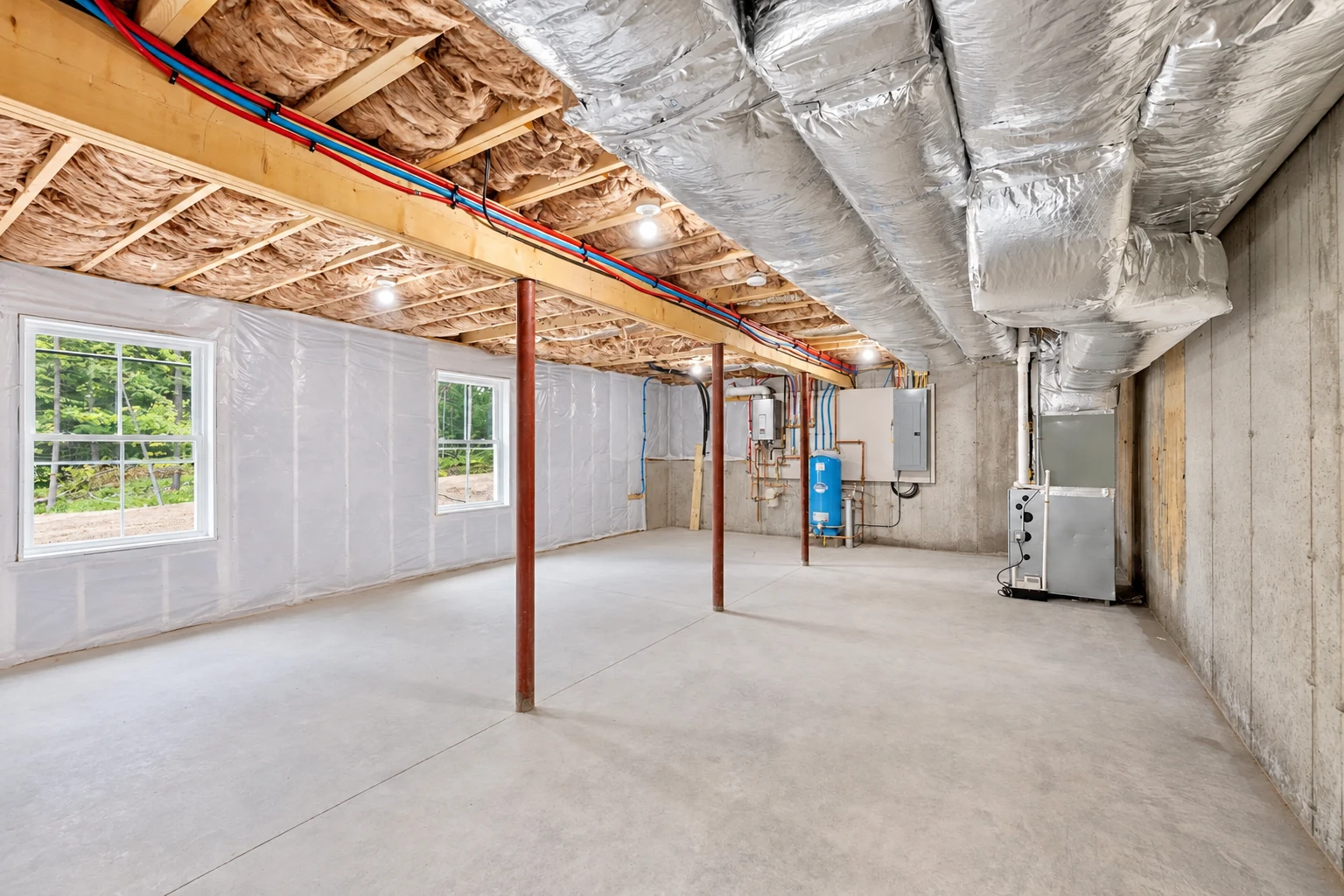
Filled walls still lose air through gaps at outlets, pipes and the tops of the walls, so we often pair this job with our air sealing services. Walls below ground are a different job with different materials, and our basement insulation work covers those.
If a bedroom on an outside wall feels drafty or runs warmer than the rest of the house, empty wall cavities are a common reason, and filling them evens that room out.
That room has outside air on more sides than most. Filling its walls helps, though I'll also look at the floor and ceiling before suggesting anything, since the walls are rarely the whole story there.
Plenty of older homes were built with nothing in the walls at all. Those are the houses where you're most likely to feel the change, once the wiring and moisture checks are done.
Sometimes a hot upstairs or a high power bill traces back to the attic, not the walls. If that's what I find, I'll tell you before quoting walls you don't need.
Send the form and we'll get back to you within one business day. Then I come out, look at your walls and leave you a free written quote, with no obligation to go ahead.
Tell us roughly when the house was built, because an older home can mean knob and tube wiring or lead safety steps that come before any wall gets filled.
Mention stains, soft spots or peeling paint on the walls, any drafty rooms and any siding plans, since each of those can change which side we fill from.
With the address, I can check whether the city or the county handles your permit, and whether you're in a historic area, before I come out to the house.
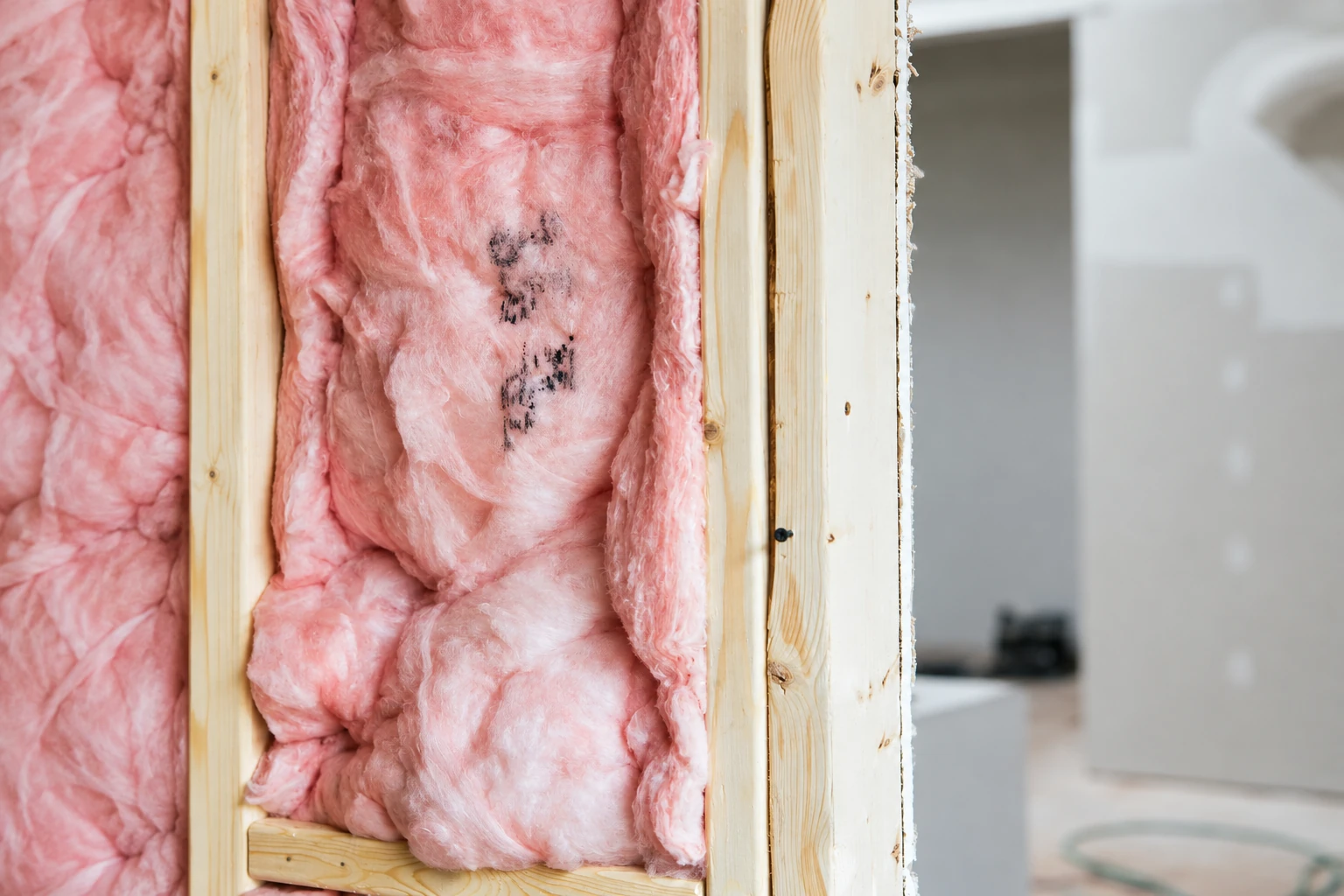
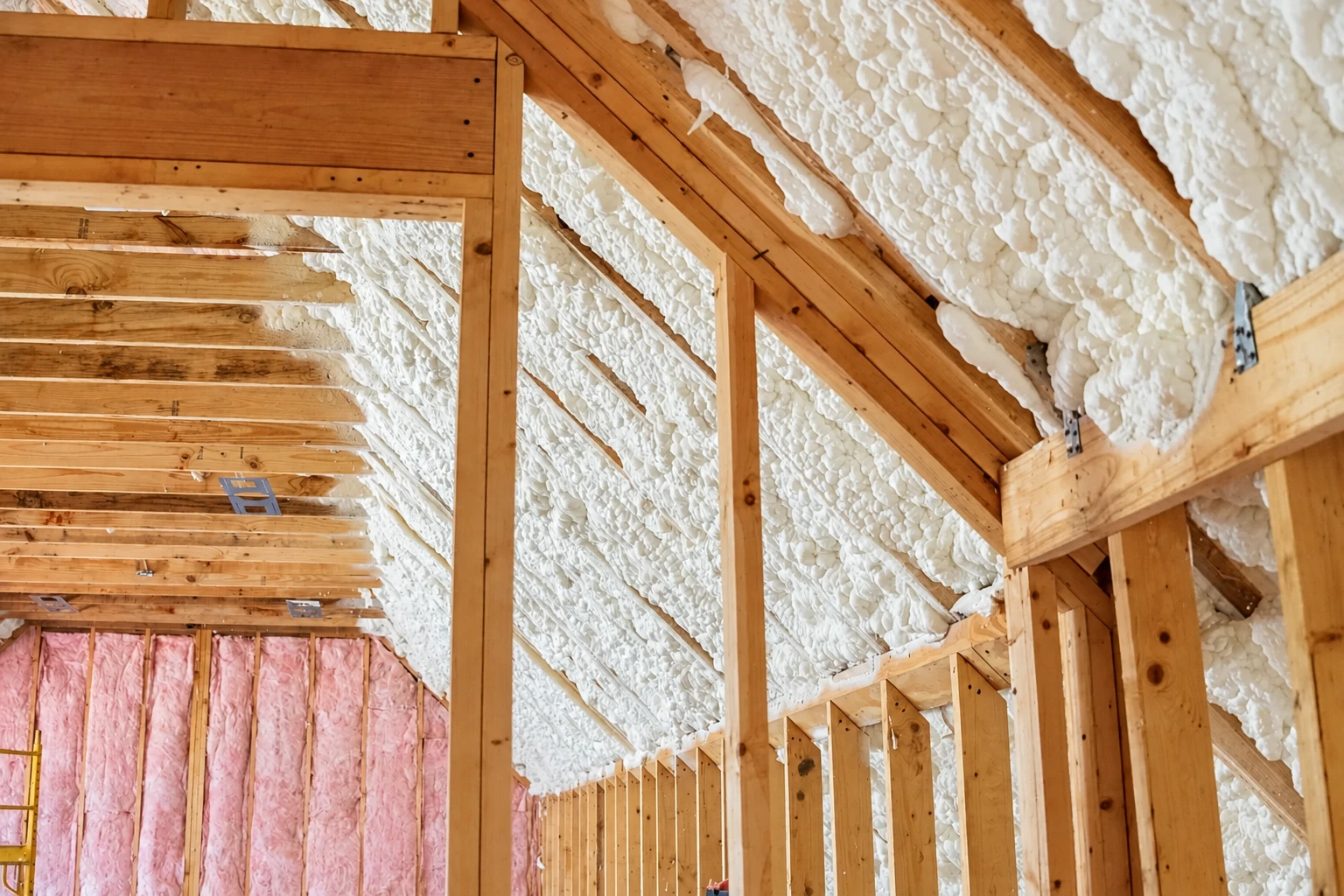
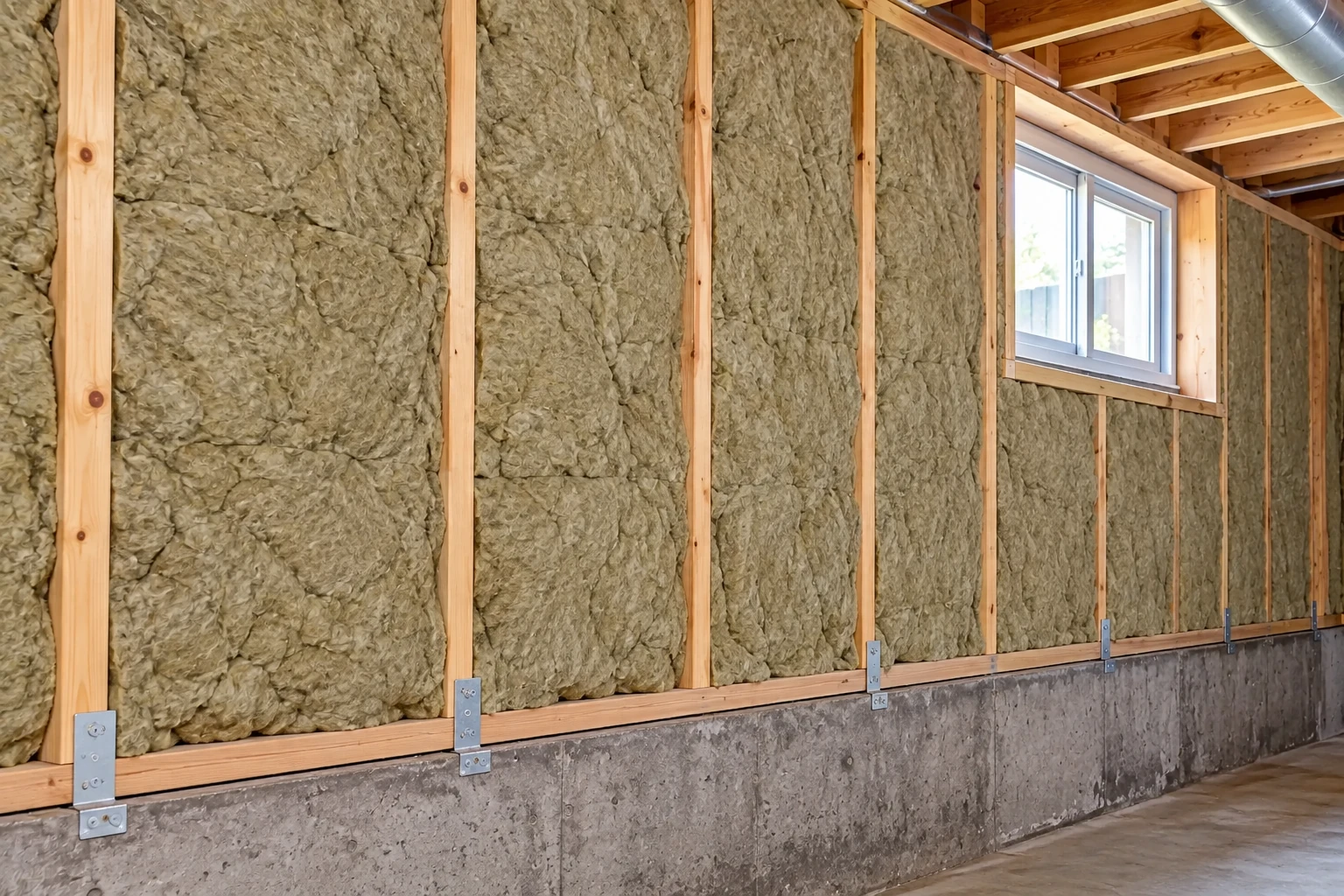
These photos show blown-in fill, patched access holes and exterior foam layouts, the kinds of options we can talk over at your house.
Here are the questions Charleston homeowners ask most about filling existing walls, from the holes and the siding to permits and cost.
Yes, most finished walls can be filled through small holes. The holes go near the top of each wall cavity, inside or outside, and blown-in insulation, loose fill sent through a hose, fills the space. A federal guide calls for an infrared camera check that every cavity is full before the holes are patched, so ask any contractor how they check theirs.
Usually, yes, because re-siding is an ideal time to fill walls from outside. With the siding off, the house wrap can be checked and put back properly, and you can add rigid foam boards on the outside, alongside filled cavities or in place of them. If new siding is in your plans, I'll suggest doing the walls at the same time.
Your address decides it. The city has you look your address up on its map to confirm you're inside city limits, and inside them the City of Charleston Permit Center takes residential permits, though its list doesn't name wall insulation. Outside the city, you're pointed to Charleston County or Berkeley County, and for Charleston County addresses, Building Inspection Services issues the permits.
If your house is in one of the city's designated areas, exterior work goes through the Board of Architectural Review. The city's preservation staff answer questions and encourage owners to check with them before any work begins. That's worth doing before we drill from outside or the siding comes off, and filling from inside can be the simpler route there.
Adding or replacing insulation in the Charleston area usually runs about $1,500 to $4,900 per job, and that range covers insulation work in general, not walls alone. Your own walls could land anywhere around it, depending on what we find. The figure for your house comes from the written quote after I've seen the walls.
Filling from inside does raise some dust, so the usual practice is to cover the floor below the work and set up enclosures that keep dust and debris from spreading through the room. Filling from outside keeps most of the mess outdoors, though it means opening the siding and house wrap.
We pick up seven days a week from 7 AM to 10 PM, so call (843) 278-0544 or send the form whenever it suits you.