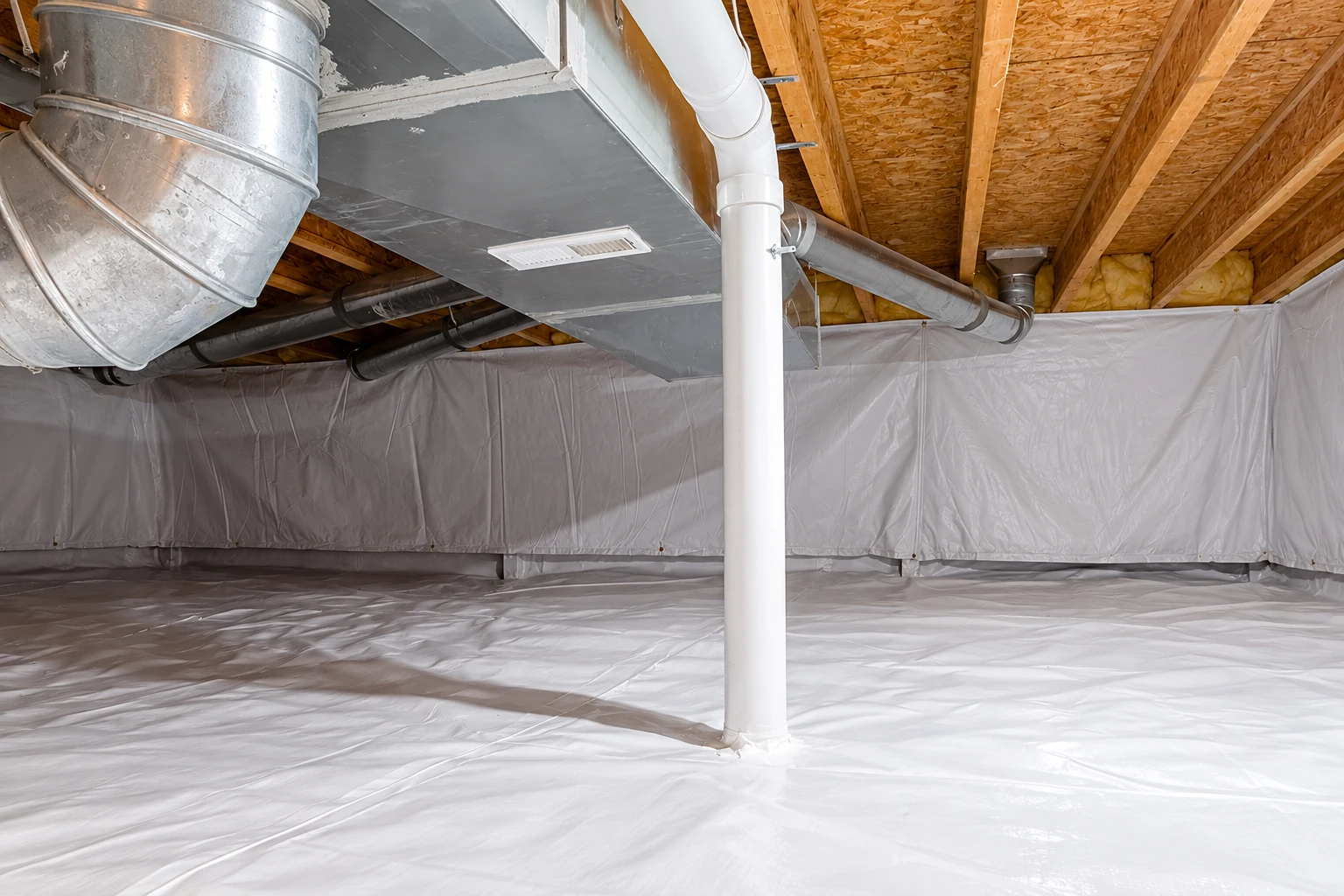
Flat roofs on shops and warehouses
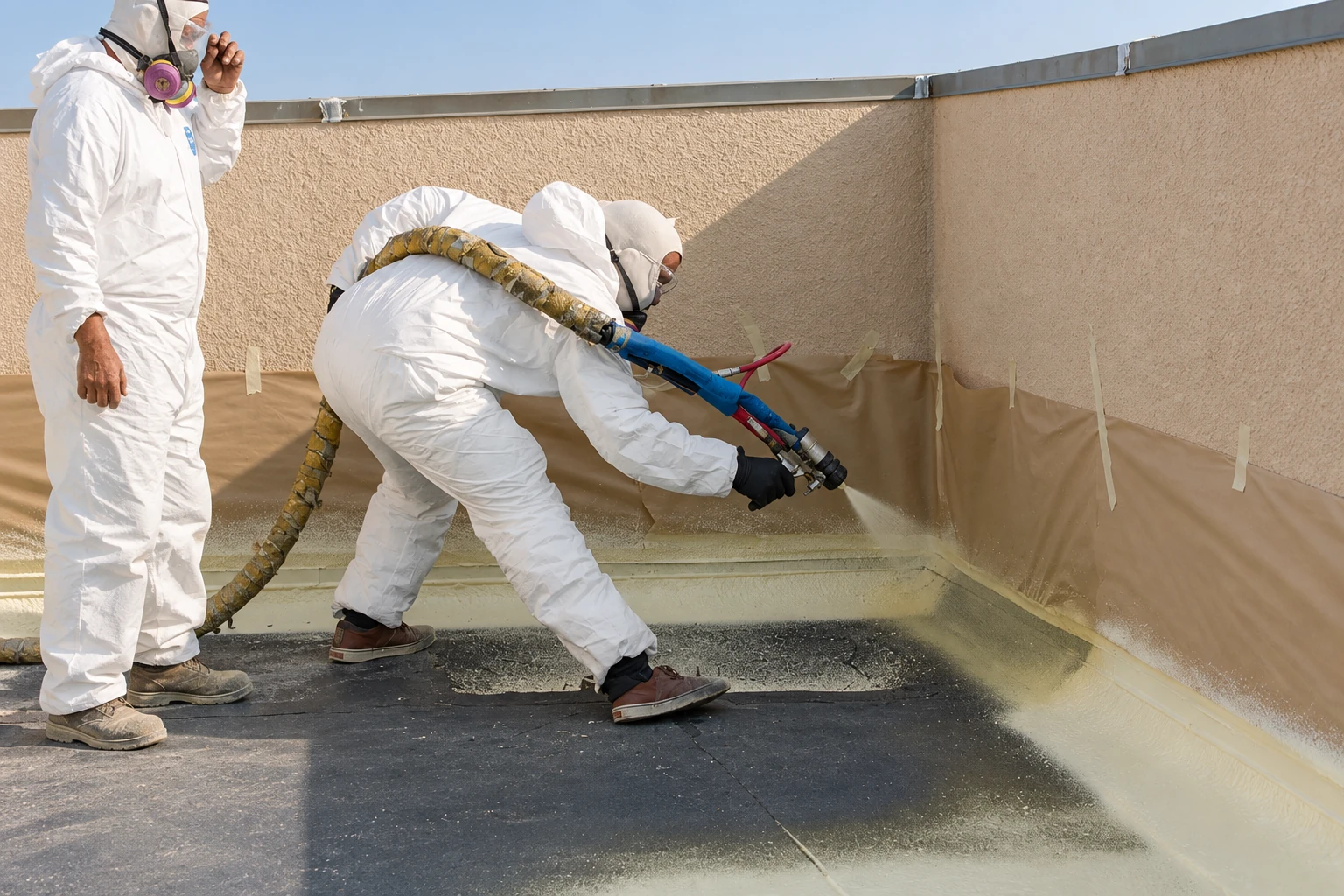
A low-slope roof needs insulation that keeps heat out and helps water reach the drains, so we plan both at once, and it's simplest when the roof is being redone anyway.
Water pooling on your flat roof, or walls that feel damp? We plan insulation around drainage and moisture first, so it doesn't trap water.
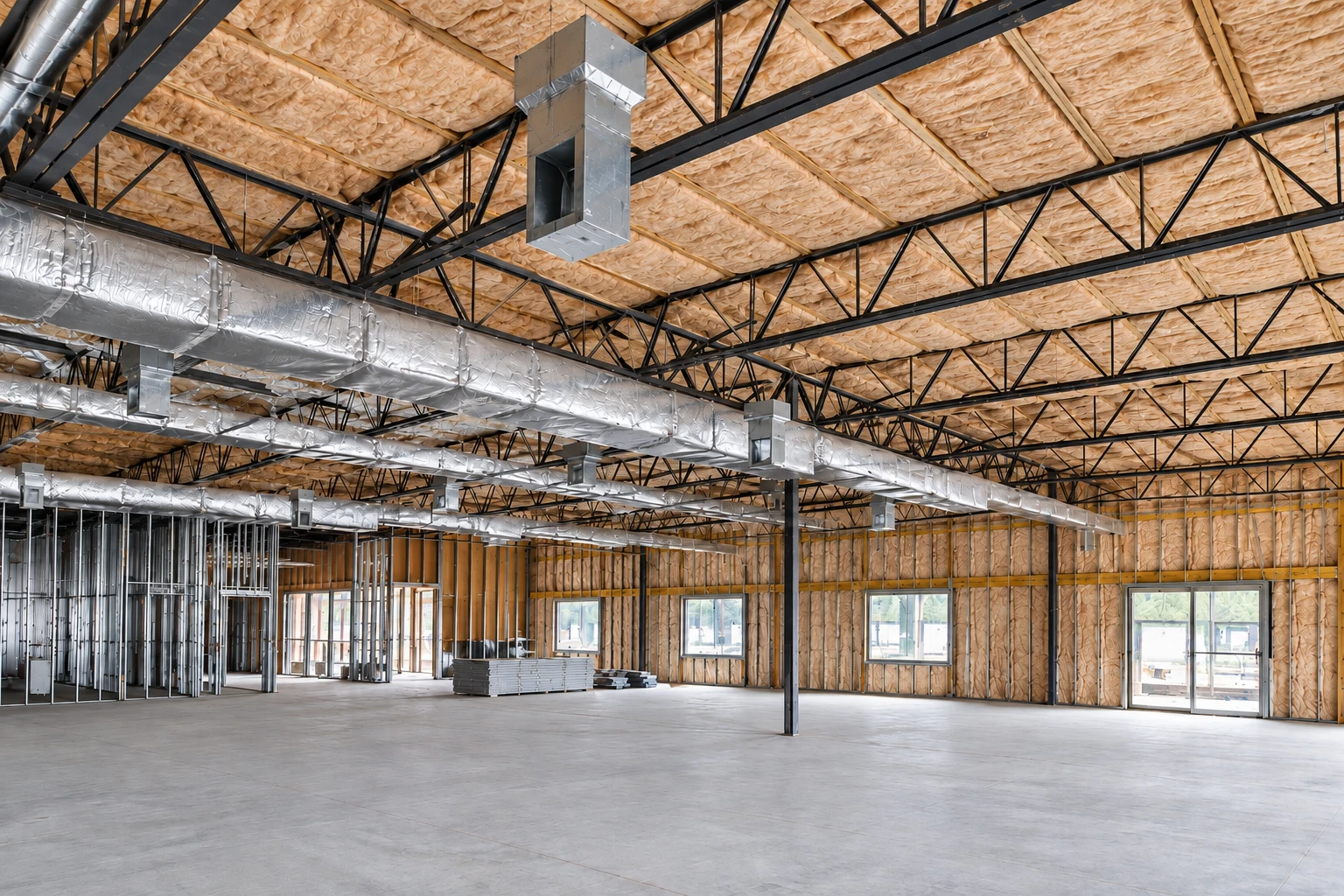
Commercial insulation from Trueseal Charleston Insulation Company covers the roof and walls of your Charleston building, planned so it keeps the heat out, lets a low-slope roof drain and keeps moisture from building up inside the walls.
Most calls start with something you can see, like water standing on the roof after a storm, a stain working down an office wall, or an AC system that runs all afternoon and still can't keep up. What moves the price is the square footage, whether it's the roof, the walls or both, which material suits the building, and any prep that has to come first, like pulling out old insulation that got wet. The schedule usually turns on whether a permit is needed, the weather if we're on the roof, and whether your building stays open while we work, and you'll see all of it laid out in the written quote I give you after the visit.
If the work needs a permit, we handle the application and keep you posted on where it stands. We're licensed and insured, and if your project also takes in general or mechanical contracting, that side is licensed through South Carolina's contractor licensing board.
I do the estimate and site visit myself. Our installers do the work, and I come back at the end to go over it with you, so the person who explained it answers for it.
Every step goes in writing, prep work included, because a lot of our calls come from owners holding a few quotes they can't tell apart, and a vague one hides the hard part.
I'd rather lose the job than sell work your building doesn't need, a lesson from my years on the selling side, so if the roof or walls are in fair shape, I'll tell you.
I start with the water, not the insulation. Before we choose a material, I work out how your roof drains and which side of each wall should get a vapor retarder, the thin layer that slows damp air moving through it, because insulation put in without those answers can end up holding water in the building instead of helping it.
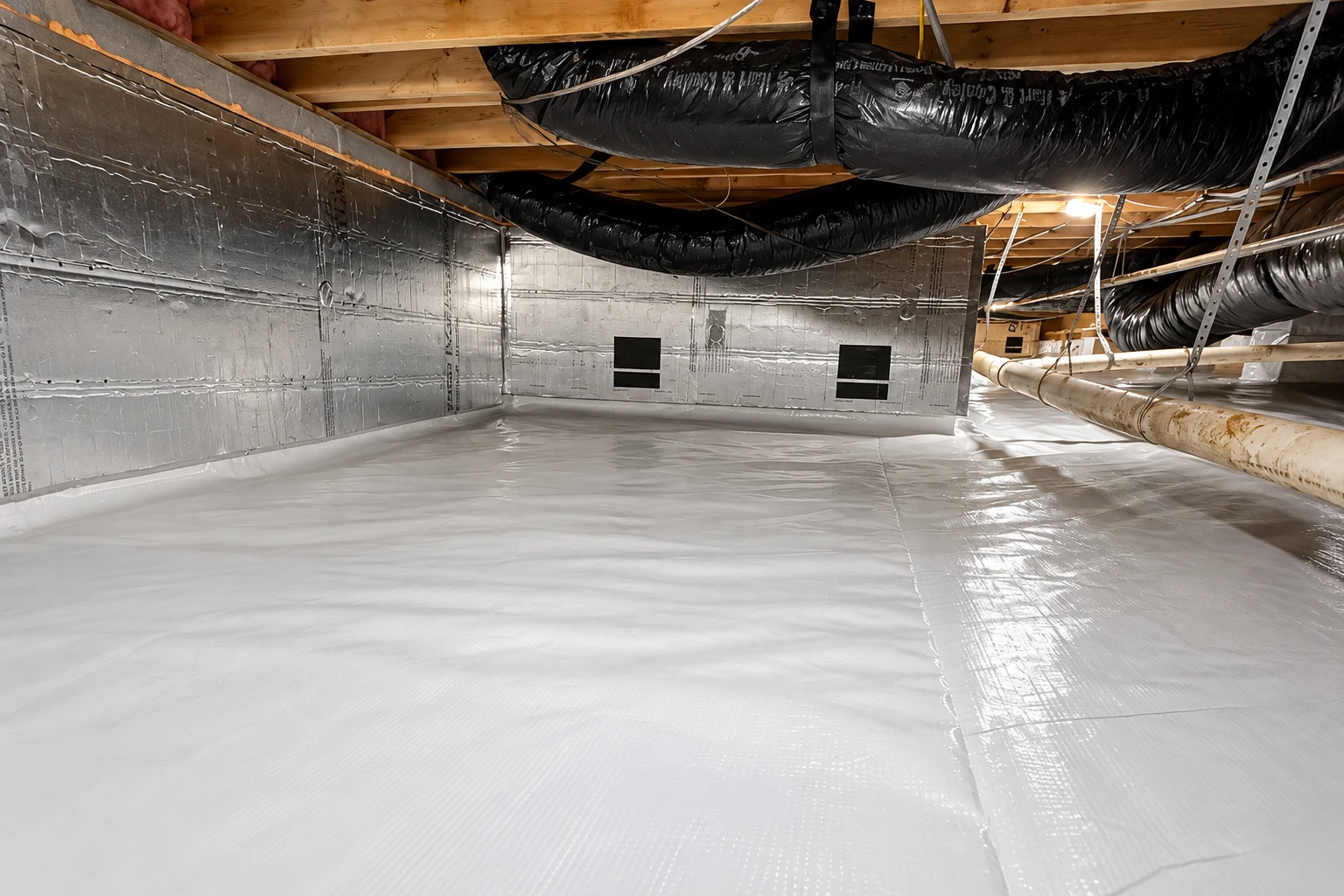
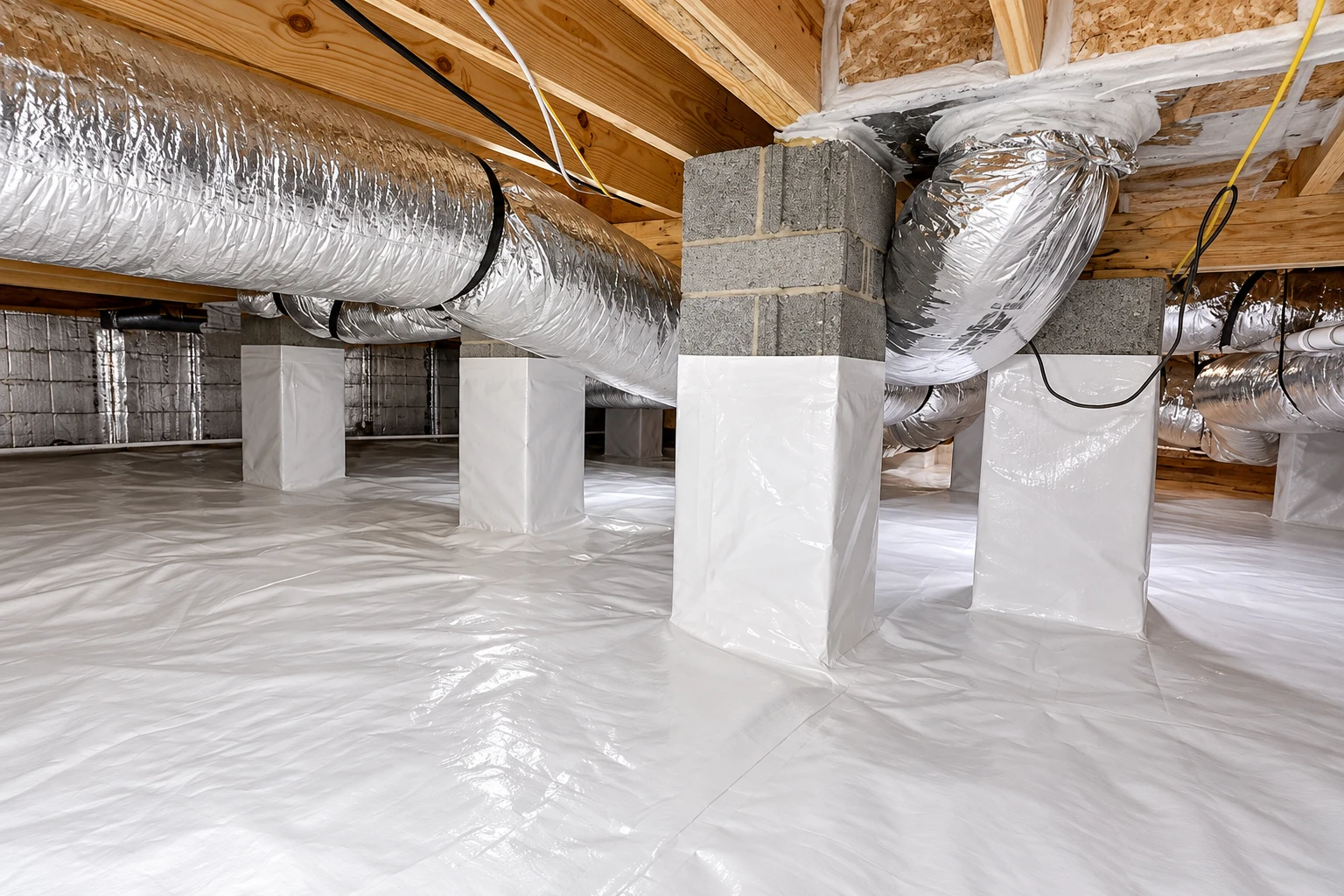
On a low-slope roof, that usually means shaping the insulation so water runs toward the drains instead of sitting in low spots. On walls, our crew pulls out any old insulation that's soaked or full of droppings, then seals the gaps around pipes, conduit and openings, so the new material isn't fighting a draft. If the building sits over a crawl space, a crawl space vapor barrier is often part of the same plan, and our vapor barrier installation work starts from the same question of which side the damp comes from.
Spray foam costs more, and it seals air while it insulates. On most commercial walls, sealing the gaps and using mineral wool, batts or cellulose does the job for less, so that's where I usually land, unless ductwork runs through the space we're insulating and the foam's air seal earns its price.
A low-slope roof needs insulation that keeps heat out and helps water reach the drains, so we plan both at once, and it's simplest when the roof is being redone anyway.
In a building cooled most of the year, damp outside air keeps pushing toward the cool side of the wall, so where the moisture layer goes gets settled before anything fills the wall.
Masonry soaks up moisture and can pass it inward, so insulating it from the inside takes planning. We check how the block handles damp before deciding what goes against it.
When the walls are already open, it's the easiest time to seal the gaps and fix what's behind them, instead of closing a moisture or draft problem back up for years.
We reply within one business day, by phone or email, whichever you used. Then I come out to look at the building myself, and you get a free written quote with no obligation.
We're based in Charleston and work the cities around it. Before I quote, I check whether your address falls under a city or county office, since that decides who you'd be dealing with.
A flat roof over metal deck and a block wall behind stucco call for different plans, so knowing what you have lets me come out ready with the right questions.
A ballpark is enough. It tells me roughly how big the job is before I come out, and I take the real measurements on site when I'm looking at the building.
Examples of sloped roof insulation, mineral wool, batts and wall layouts you can point to when we talk through your building's roof and walls.
Straight answers on cost, moisture, roof life and permits, the things most owners and property managers ask before they call us.
Spray foam insulation in Charleston usually costs about $1 to $5 per square foot, which is the going rate around here, not our price. Where your job falls depends on the foam type, how thick it goes and how hard the space is to reach. For mineral wool, batts, cellulose or a sloped roof system, your written quote spells out the cost.
In a humid climate or a building that runs a lot of air-conditioning, a required vapor retarder should go on the outside of the wall. A very tight one on the inside can lead to moisture problems here, and even vinyl wallpaper can cause them. One insulation maker advises keeping plastic sheeting and foil-faced batts off the inside of air-conditioned spaces.
Yes, because water that stands on a low-slope roof can shorten its life, and tapered insulation, boards cut to a gentle slope, helps the roof drain. It's especially useful when you're upgrading an existing roof with awkward conditions, so if your roof is due for work, it makes sense to plan the insulation and the drainage as one job.
Commercial new work, alterations and additions inside city limits go through the City of Charleston's Development and Construction Services, online or by email to permits@charleston-sc.gov, and they answer permit questions at 843-577-5550. Once the permit shows as Issued, the placard gets printed from the online account and posted at the site, and work can start. If your job needs one, we handle the application.
Check your address on the city's interactive GIS map to see whether it's inside Charleston city limits, and if it isn't, use the Charleston County or Berkeley County GIS map instead. If the building sits in a flood zone, the city's Building Inspections station also takes flood zone and substantial improvement questions, so ask them early.
We answer seven days a week, 7 AM to 10 PM, so you can call (843) 278-0544 while you're standing in the building.