
Spray foam insulation
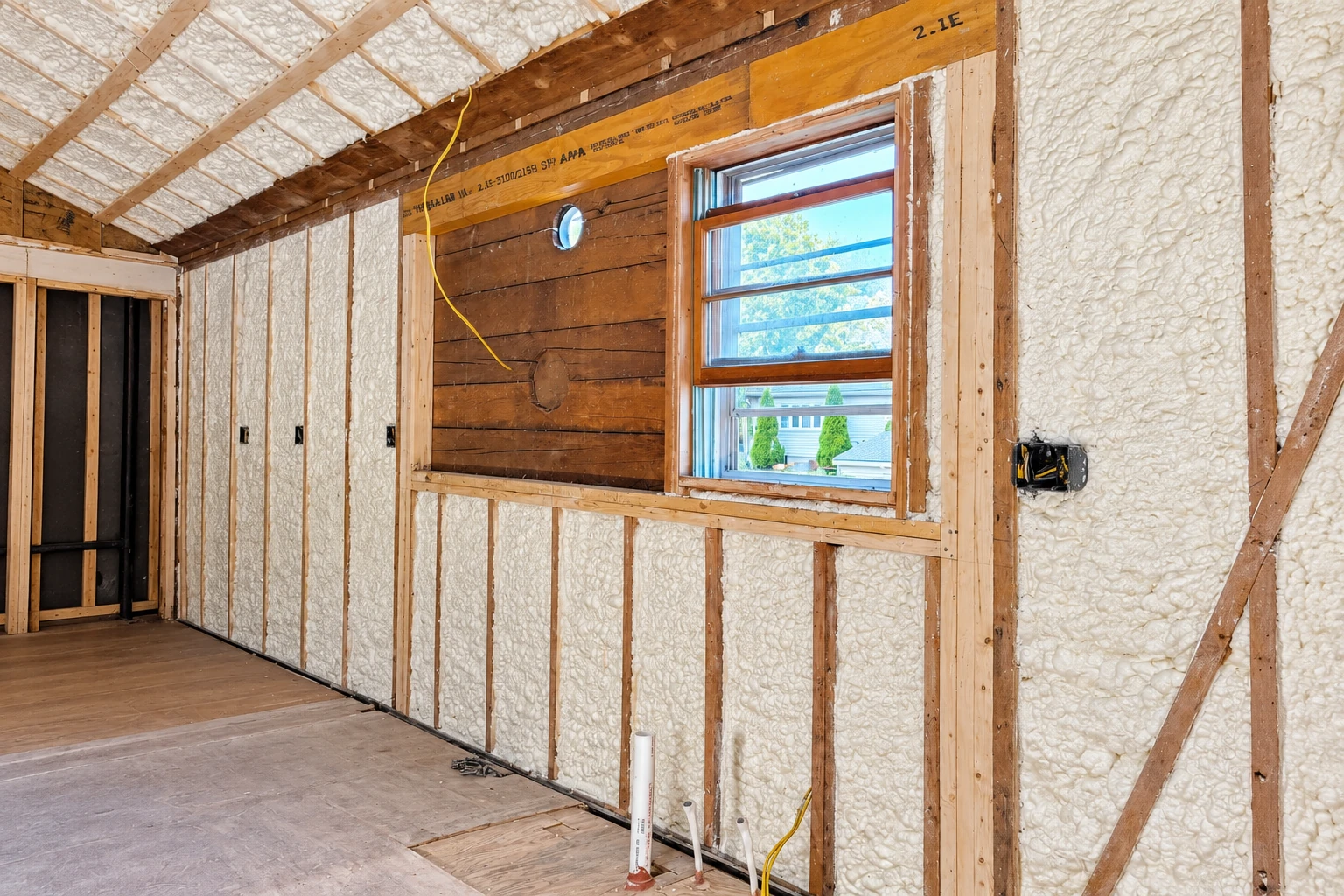
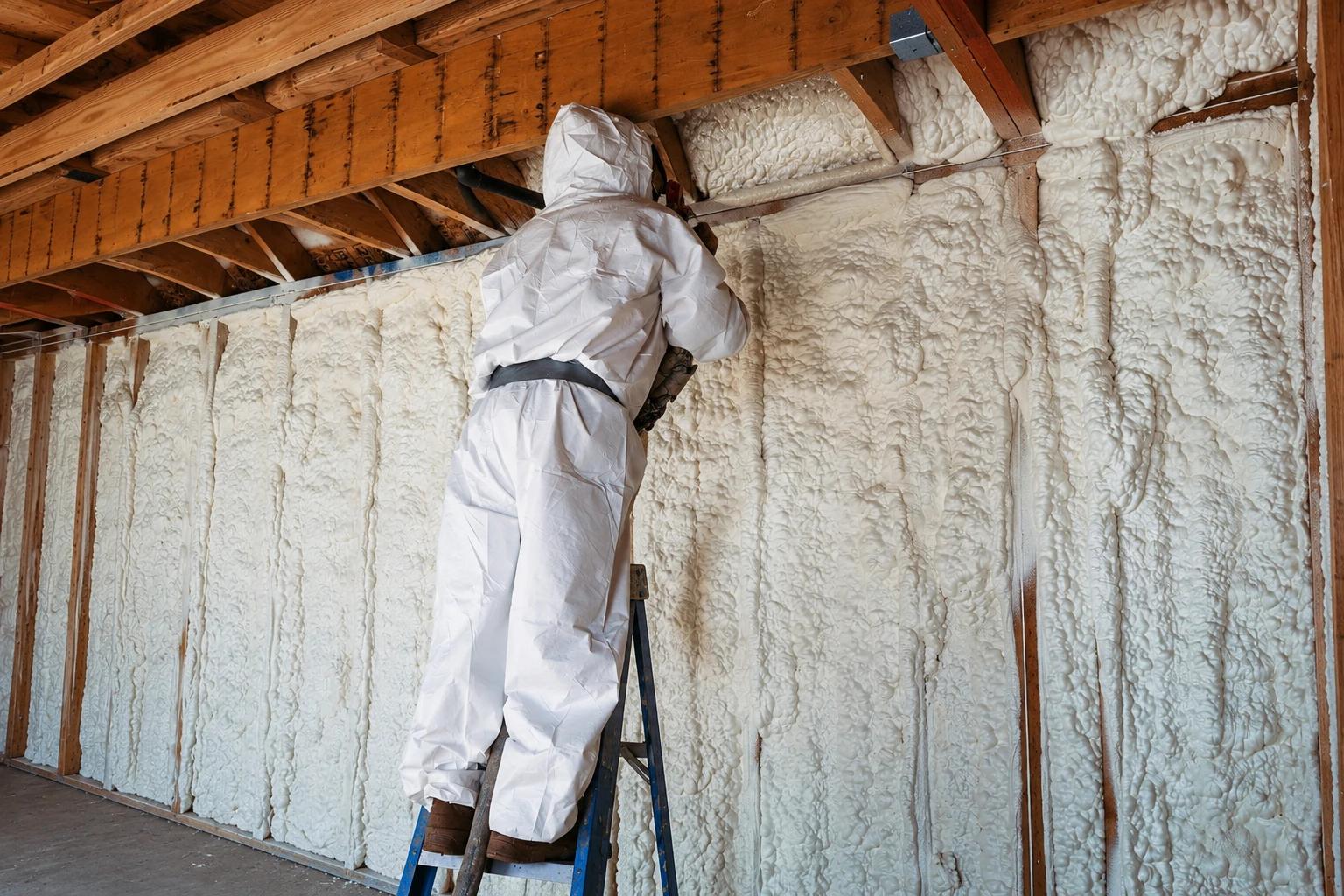
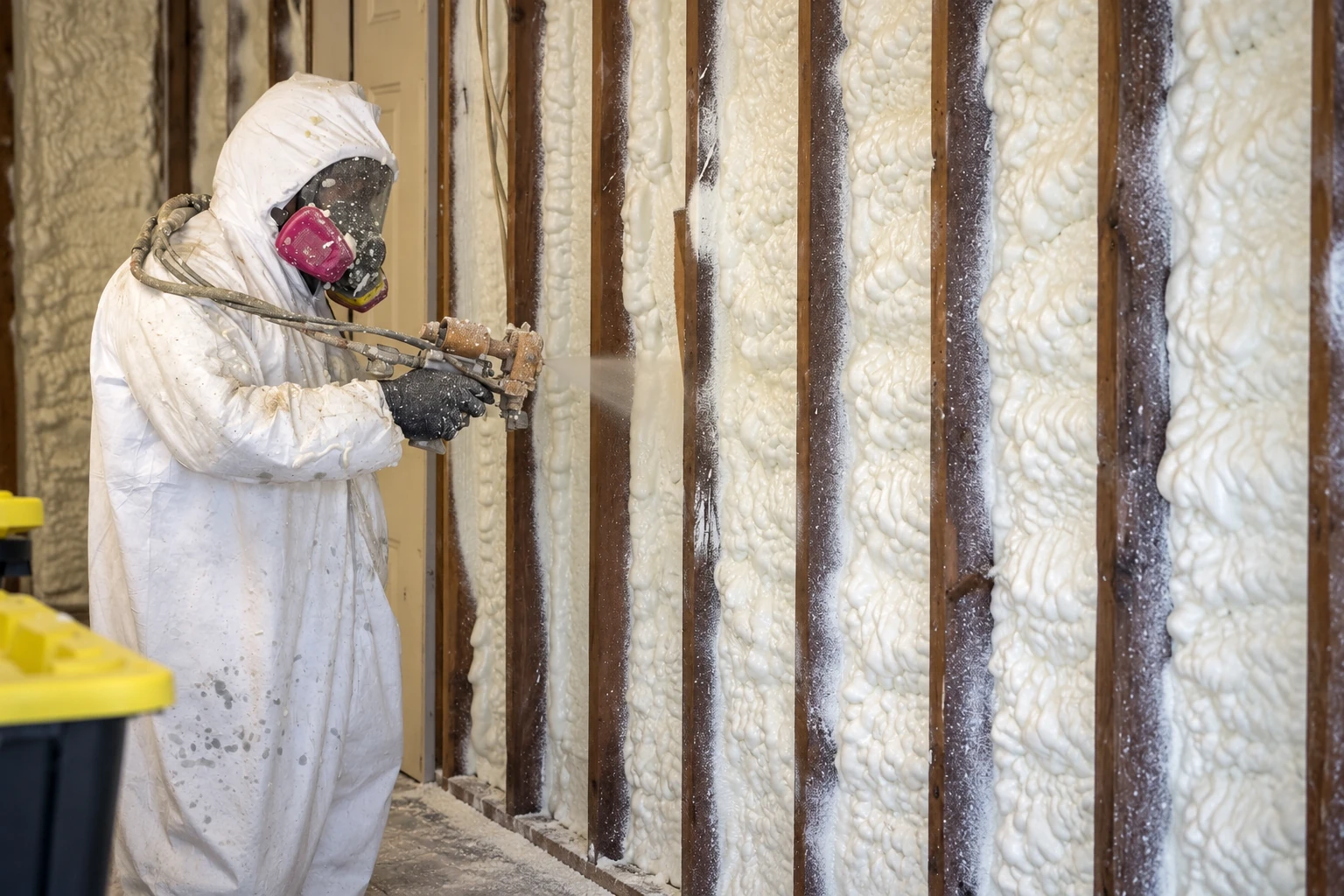
Spray foam seals and insulates in one pass, which suits the tight roofline over a room above the garage. We cover and protect what's below before spraying and clean up when it's done.
Trueseal Charleston Insulation Company is an insulation contractor working in Sangaree. We seal the gaps first, then top up or replace the insulation in attics, walls and crawl spaces so upstairs rooms and floors stop running hot or cold.
Sangaree is mostly subdivision houses, some on slabs and some over crawl spaces, and the calls sound alike: it's hot upstairs, the room over the garage never feels right, or the floors are cold. When I get into the attic, I usually find less insulation than people expect and more air leaking around it. It's the same work we do in nearby Summerville and Goose Creek, and as far out as Hollywood.
The price comes down to what's already up there and what shape it's in, how much has to come out or get sealed before anything new goes in, and which material fits your house. The schedule mostly turns on that prep work and on whether the county has to issue a permit first, and your estimate is where you'll see your own numbers.
If the crawl space is part of the job, look up your lot on Berkeley County's flood map before I come out, because a lot in a mapped flood zone changes what we'd put under the floor.
Before I quote, I check which office covers your address, and for Sangaree that's the Berkeley County Permitting Department. If your job needs a permit, we handle the application and keep you posted.
A lot of our calls come from people holding two or three quotes that don't line up. I'll go through them with you and explain what each one actually covers.
If your attic already has good depth and sealed gaps, I'll say so. I'd rather lose the job than sell you work you don't need, a lesson from my years quoting for someone else.
Spray foam seals and insulates in one pass, which suits the tight roofline over a room above the garage. We cover and protect what's below before spraying and clean up when it's done.
Most Sangaree calls start in the attic. We measure the inches already up there, keep the eave vents clear so the attic can still breathe, and carry the coverage all the way out to the edges.
Blown-in, loose fill sent through a hose, is how we top up most attics around here. It settles around joists and wiring better than rolls do, and it's the right fix when an attic is thin rather than ruined.
When the whole house feels drafty or the power bill keeps climbing, we look at the attic, walls and crawl space together, so you can fix the worst spot first instead of everything at once.
When old insulation has to go, we vacuum it out through a hose into bags, clean the attic floor and check the framing underneath, so the new layer starts on a clean attic.
Cold floors over a crawl space usually mean insulation that sagged or dropped out from between the joists. We find what's holding moisture down there, fix that first, and then insulate so it stays up.
Walls in older additions and converted rooms are often empty or half full. We can fill closed walls through small holes and patch them, so you get a full wall without tearing off drywall.
We do air sealing, closing gaps around can lights, pipes, wiring and outlets before any insulation goes in, because insulation can't do its job while air keeps moving past it.
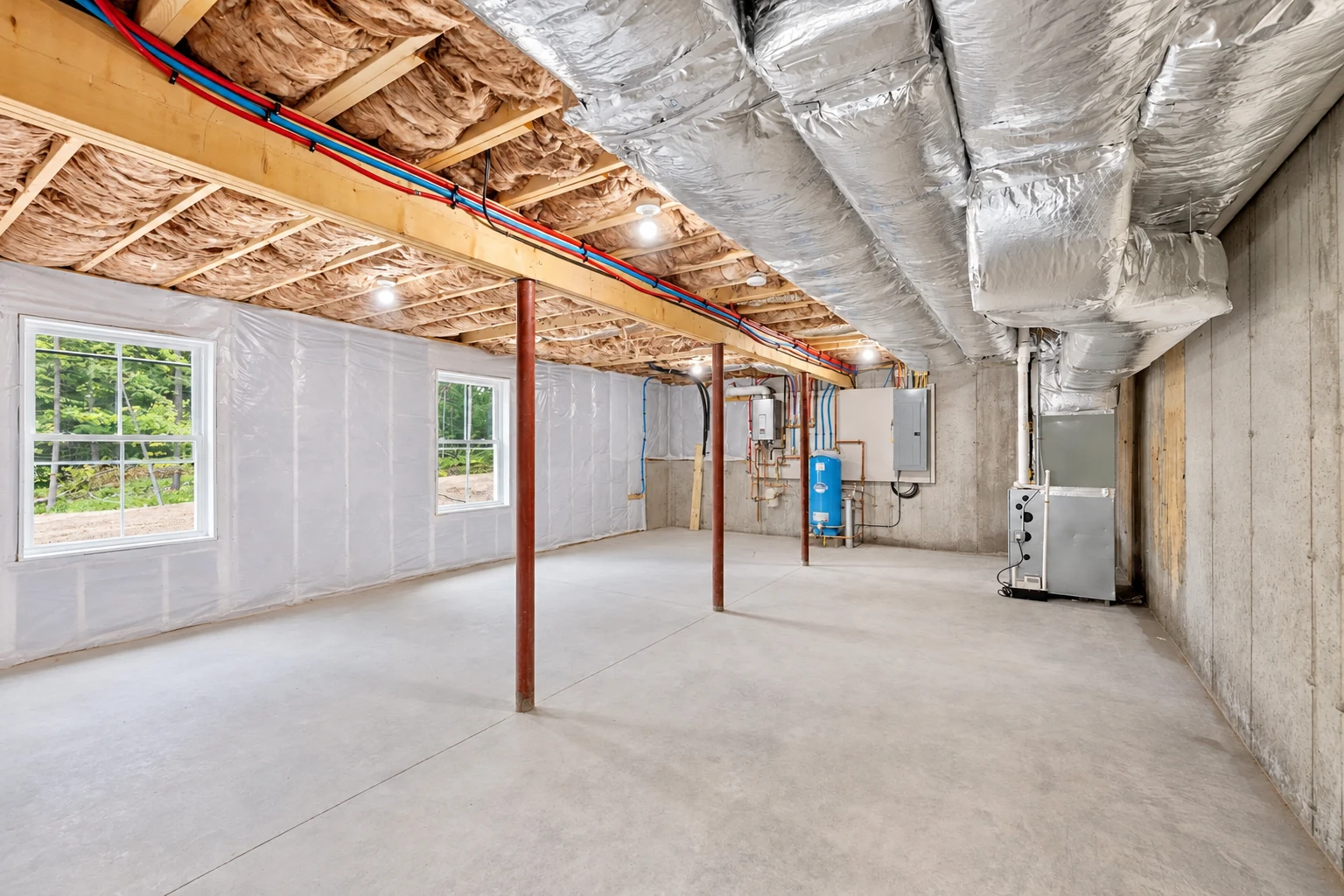
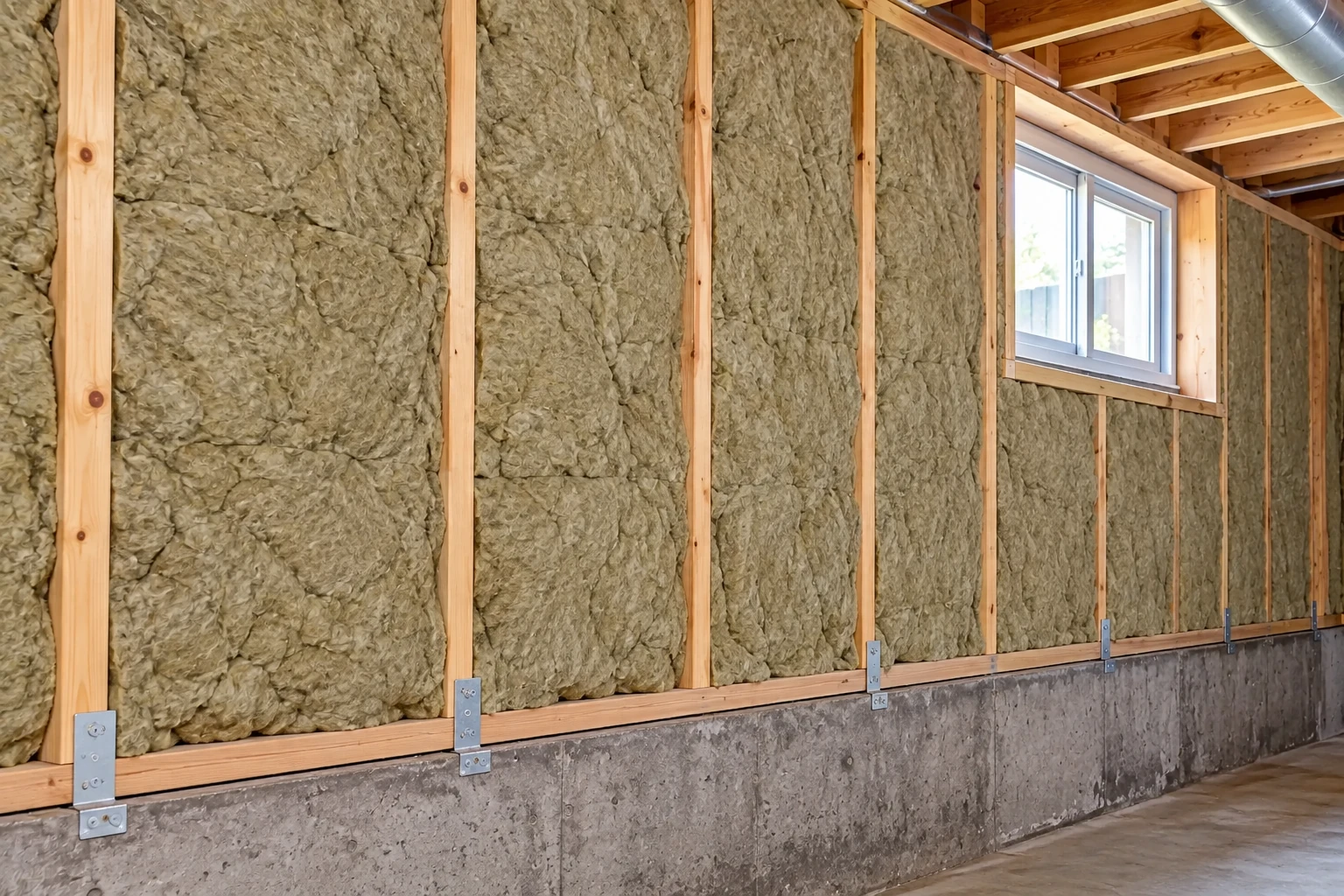
Where a house has a basement or a room set below ground level, we insulate the walls with material that handles moisture against concrete, so the space stops feeling like a cellar.
Closed-cell foam, a dense foam that blocks moisture, is what we use under floors and on walls that stay damp. It costs more, so we put it where that moisture resistance earns its keep.
Open-cell foam is lighter and softer, a common choice for sealing a roofline when the ductwork lives in the attic. It also quiets a room, though it won't stop water the way closed-cell does.
For offices, shops and small commercial buildings in and around Sangaree, I walk the space first, and the quote lays out each step so you can plan the work around your hours.
A crawl space vapor barrier is a heavy sheet laid over the dirt under your house to keep ground moisture out of the floor framing. We overlap and seal the seams and run it up the foundation walls so it stays put.
Outside the crawl space, we add a vapor barrier where a wall or ceiling needs one and leave it out where it would trap moisture, because one on the wrong side causes more trouble than none.
Before new insulation goes up, we seal the top of the house around the attic hatch, plumbing stacks and wire holes, since that's where air from the rooms below slips into the attic.
Retrofit work adds insulation to a finished house without opening it up, filling walls, topping up attics and insulating the room over the garage from the access that's already there.
Send the form and we'll reply within one business day, by phone or email, whichever you used. Then I set a time to come out, and the estimate is free with no obligation.
I do the estimates and site visits, so the person explaining your attic is the one who answers for it. Our installers do the work after that.
Your quote lists each step, including prep like pulling out old material or sealing gaps first, so you can line it up against anyone else's.
When the crew finishes, I come back and go over the work with you, so you know what's up there now and why it's there.
These are the questions I hear most on Sangaree estimates, about licensing, cost, the old insulation and whether you'll need to leave.
The South Carolina Residential Builders Commission licenses or registers residential builders and residential specialty contractors for houses up to three floors. Berkeley County adds a step for permits, since a contractor needs a current state contractor license card, not just the certificate on the wall, before the county will authorize them to apply. We're licensed and insured.
The cost comes down to what your attic needs, not just its size, and I can only put a number on that once I've been up there. Spray foam costs more because it seals and insulates at once. For most attics, sealing the gaps and topping up with blown-in gets you more for the money, unless your ductwork runs through the attic.
Usually yes, if what's up there is dry, clean and lying flat. If it was soaked by a leak or is full of droppings, it has to come out first, because new material on top just hides the problem. Old vermiculite or wiring that looks questionable gets checked before anything else, as an ordinary first step.
For blown-in and air sealing, usually not, since the work stays in the attic and you can go about your day. Spray foam is different. You, the kids and the pets stay out until the re-entry time, the wait before it's safe to come back inside, which the foam maker sets and we give you before the work starts.
Sangaree is one of the cities with its own page here, and we work in plenty of others around Charleston. If yours isn't listed, call or send the form and ask.
Call (843) 278-0544 any day from 7 AM to 10 PM, or use the form, and start by telling me which room bothers you most.