
A hot or drafty upstairs
When upstairs rooms won't hold their temperature, the cause is often air escaping through the attic floor, around light fixtures, wire holes and the tops of walls, and that's where we look first.
Drafty rooms, a hot upstairs or a power bill that keeps climbing? We find the leaks hiding in your attic and close them up.
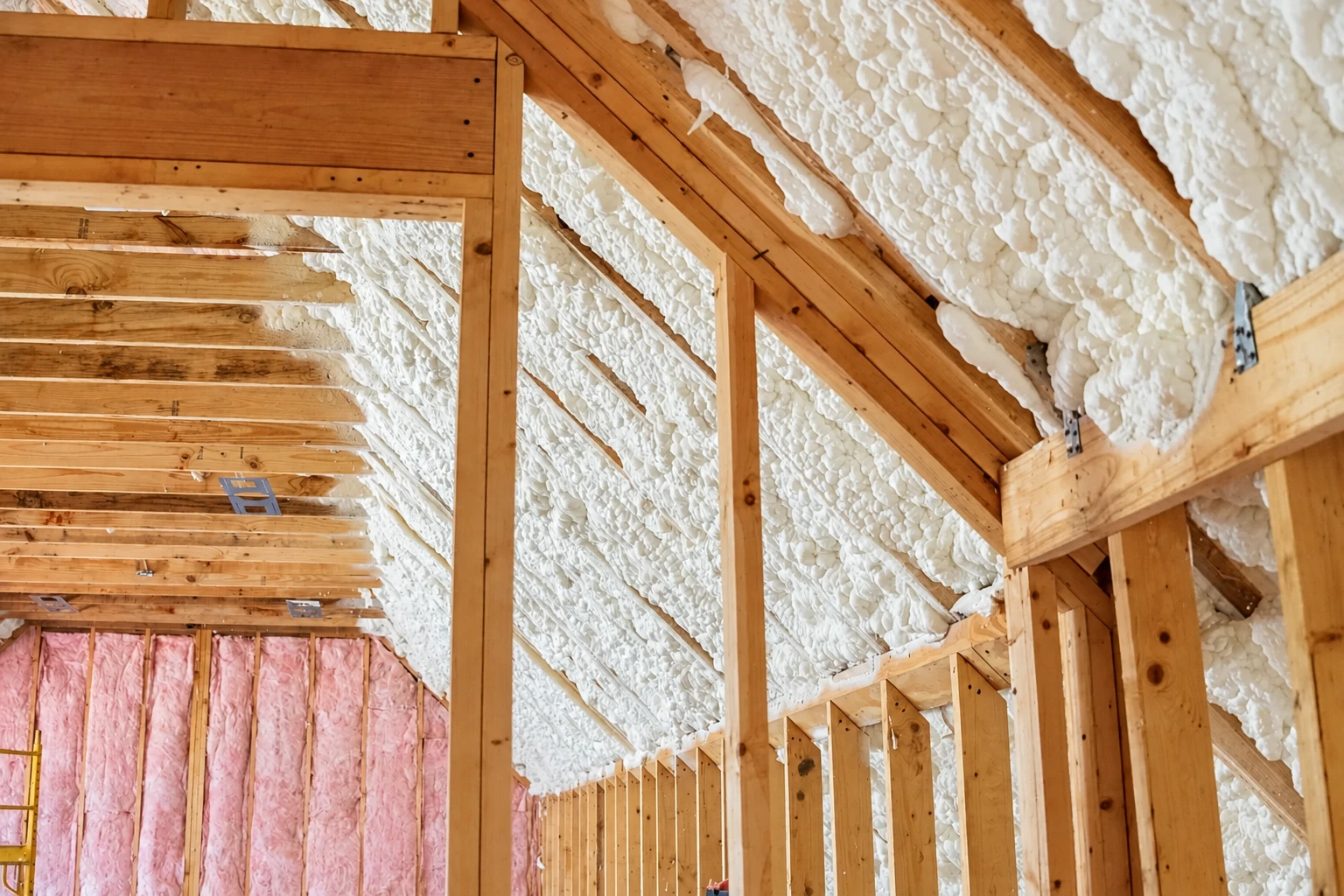
Air sealing services in Charleston close the cracks, holes and gaps that let air move in and out of your house, which is often what's behind a drafty room or a hot upstairs. Insulation slows heat, but it doesn't necessarily stop air from moving through it, so sealing is what keeps the air you've paid to heat or cool inside.
The price mostly comes down to how many leaks you've got and how hard they are to reach. A few gaps around the attic hatch and some pipes is a small job, while an attic where every can light and wire hole sits under old fill takes longer, because that insulation has to be moved aside before we can seal and put back after. Prep moves the schedule too, so if old insulation is soaked or full of droppings and has to come out, or a safety fix has to happen first, that comes before any sealing. I'll see all of it at the estimate, and the written quote lists every step.
I come out to look at your house, our installers do the sealing, and I come back at the end to go over the finished attic with you.
I explain why each leak matters and what we'd do about it, so you leave knowing your attic, not just holding a quote. That's how I've run things since starting in 2023.
If a tube of caulk around a few pipes will take care of it, I'll say so. I'd rather lose the job than sell you sealing your house doesn't need.
The leaks that matter most are usually the ones nobody can see, buried under attic insulation that hasn't been moved in years. Our installers pull the fill back and seal around can lights, the holes where pipes and wires come through, the tops of interior walls and the attic hatch, using caulk or foam on narrow gaps and rigid board sealed in place over bigger openings. Then the insulation goes back over a floor that's actually closed, because fluffy insulation on its own slows heat but lets air straight through.
Before we seal anything in a house with gas or oil appliances, I make sure it's safe to tighten it up. A furnace, water heater or fireplace needs air to burn and a clear path for its exhaust, and closing the leaks without checking that first can work against it. We also keep the vents at the eaves clear as we go, so the attic keeps breathing and moisture doesn't build up in the framing.
Spray foam is the other route. Closed-cell foam insulation, a dense foam that also blocks moisture, seals and insulates in one pass, but it costs more, so for most attics I'd point you toward sealing the gaps and topping up the loose fill, the kind blown in through a hose. The exception is when your ductwork runs through the attic, because foaming the underside of the roof brings those ducts inside the sealed part of the house. Leaks low in the house count too, and where a home has a basement, we seal along the top of the foundation wall as part of basement insulation.
When upstairs rooms won't hold their temperature, the cause is often air escaping through the attic floor, around light fixtures, wire holes and the tops of walls, and that's where we look first.
Rooms over a garage often have gaps where the floor framing meets the garage ceiling and the outside walls, so garage air and outside air move right under your feet.
Pipes, drains and wires come up through the floor into your rooms, and the holes around them let crawl space air in. Sealing them is a simple step that's easy to miss.
Live knob-and-tube wiring, the old cloth-covered kind, gets replaced or boxed in properly before insulation goes back over it. If the old fill is vermiculite, which may contain asbestos, we stop until that's handled.
Send the form and we'll reply within one business day by phone or email. Then I come out, look at your attic myself and give you a free written quote with no obligation.
If you have a gas or oil furnace, a water heater or a fireplace, mention it on the form, since that shapes the safety check we do before any sealing.
Your address tells us whether you're inside Charleston's city limits or under the county, which decides the office you'd deal with if the job needs a permit.
Your quote lists each step, including prep like moving old insulation aside, so you know what's happening in your attic before anyone climbs up there.
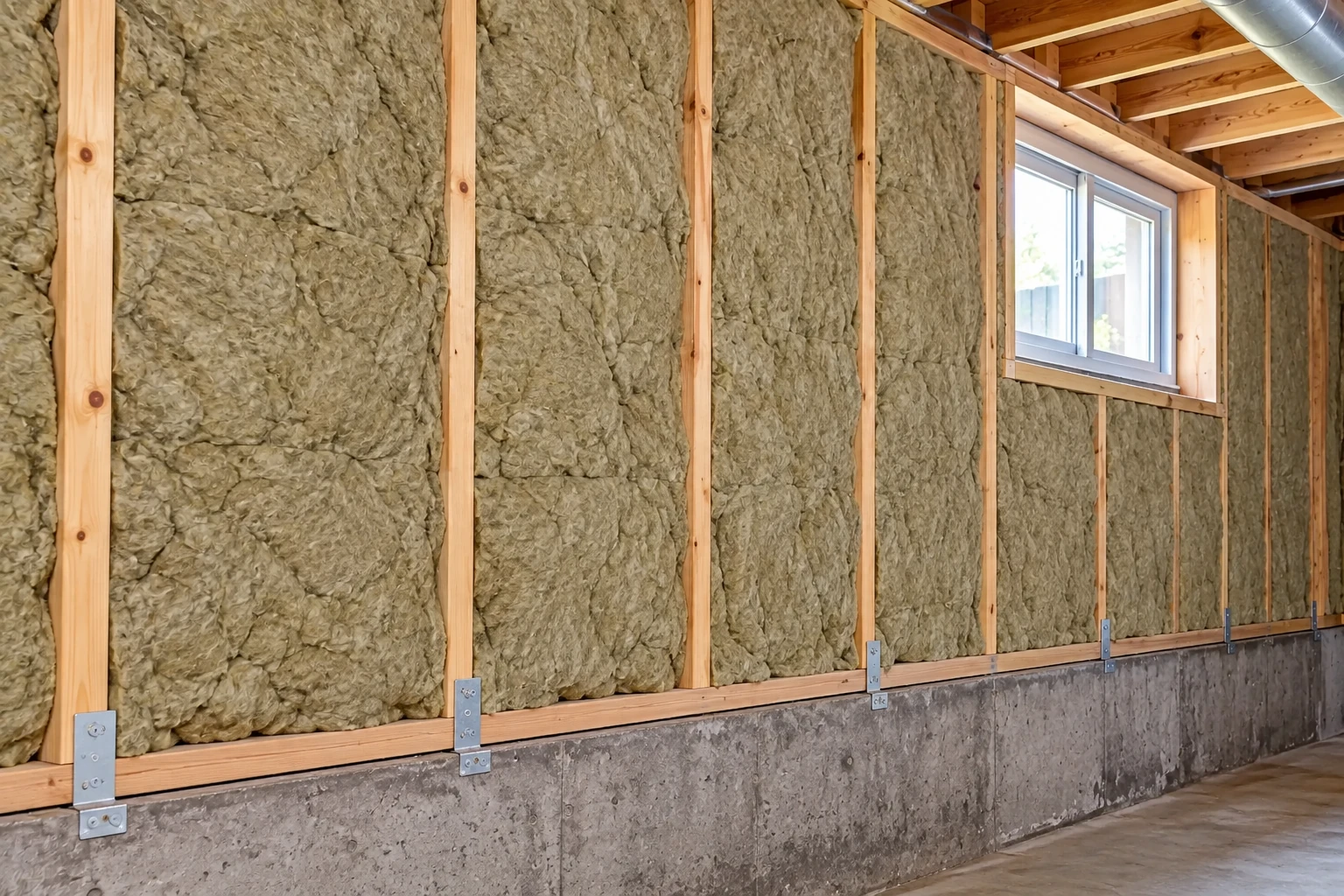
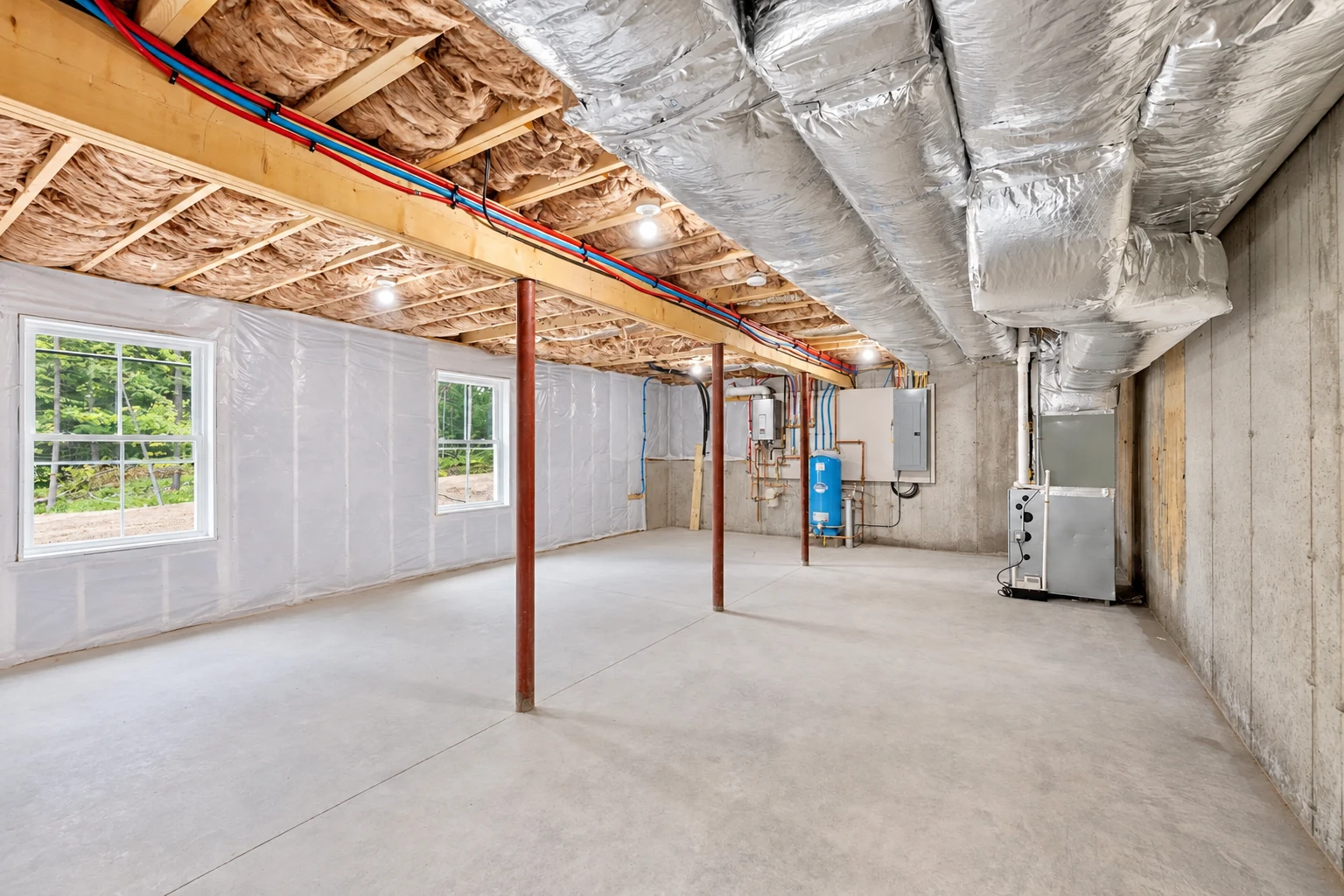
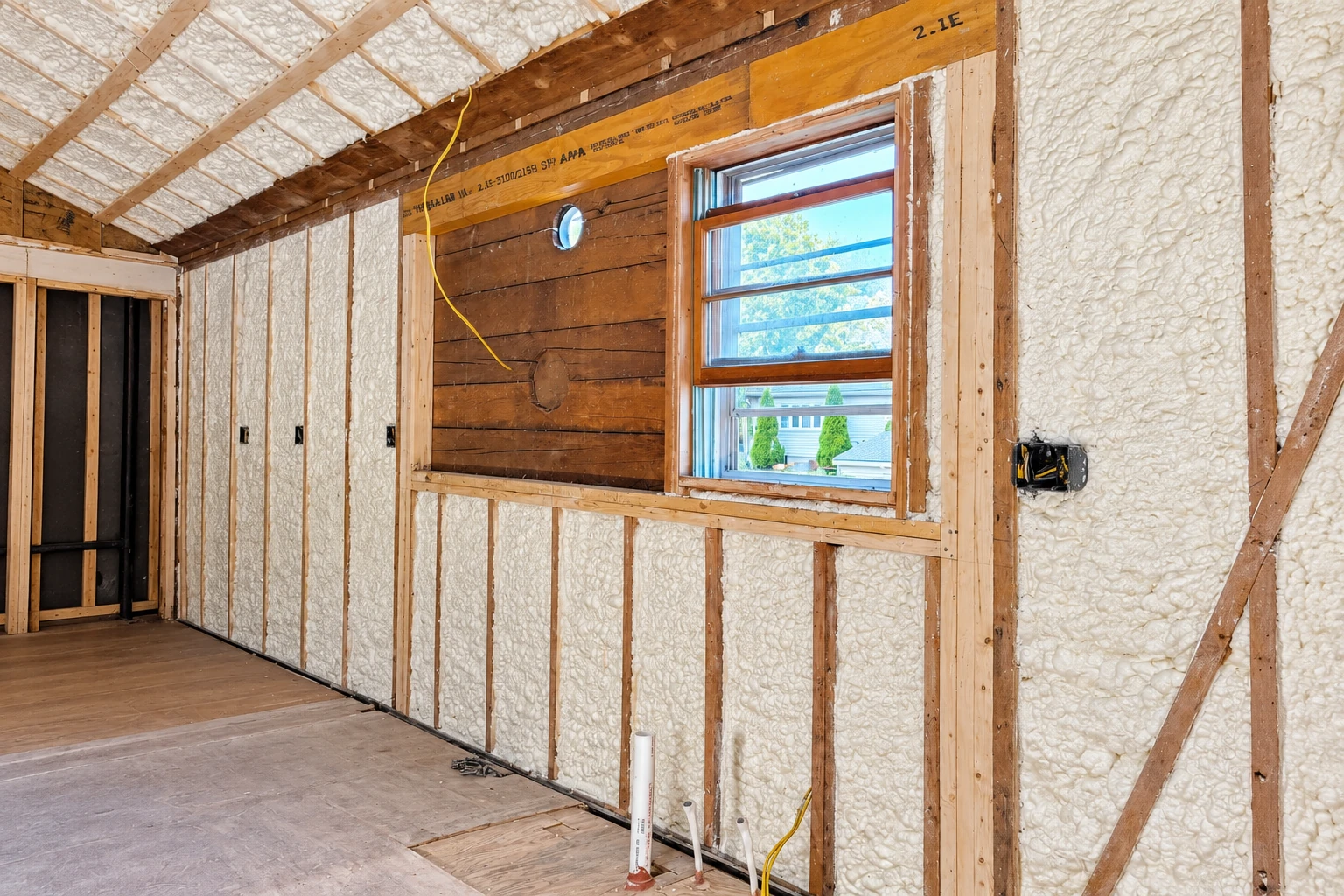
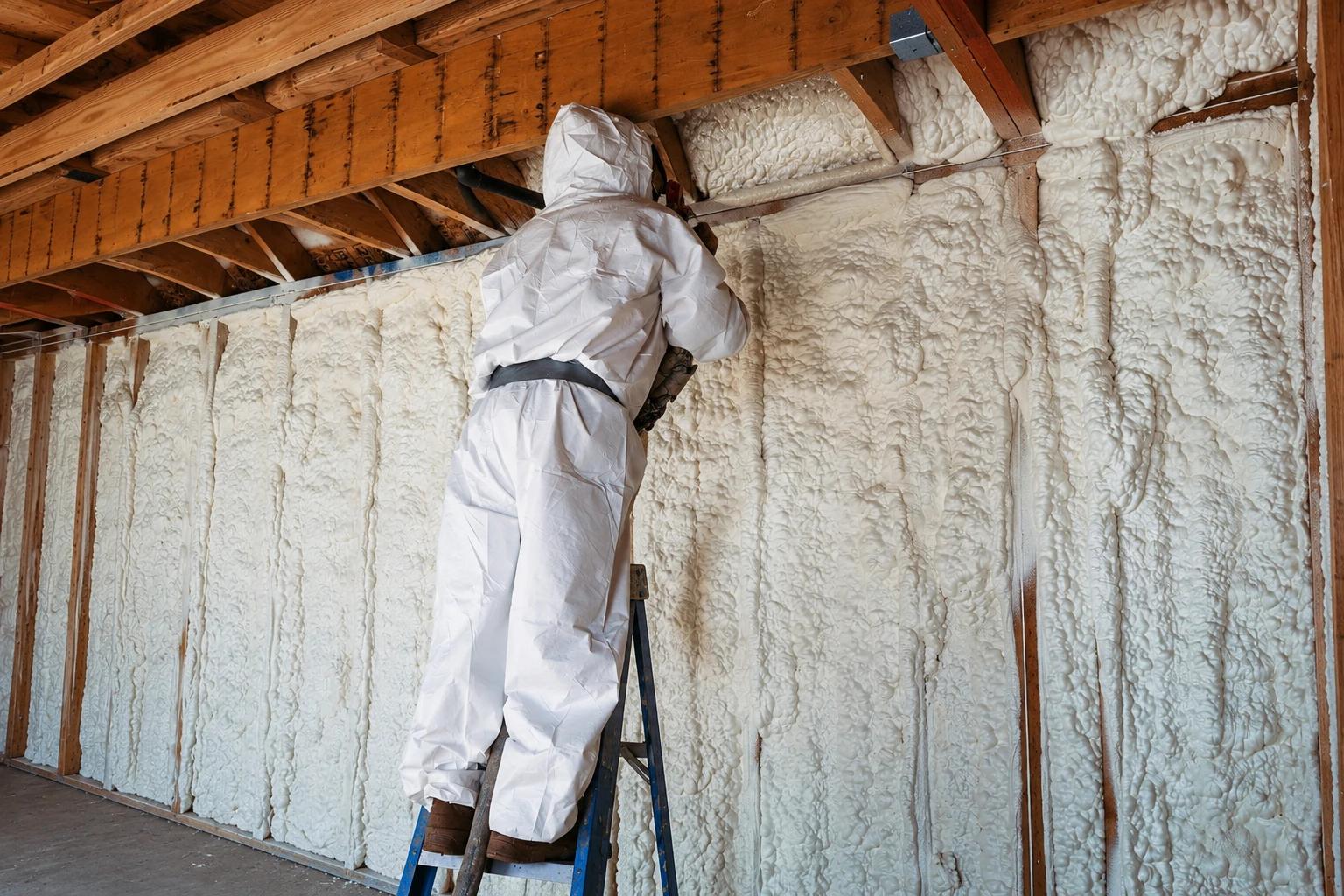
These example photos show the kinds of sealing worth talking over at your estimate, from foamed wire holes to a weatherstripped attic hatch.
These are the questions people ask most when they're deciding whether to seal leaks themselves or bring us in.
Yes, for the obvious leaks. Caulk and weatherstripping around door frames, pipes, vents and wires is work most homeowners can handle. It falls short on small, hard-to-find leaks, and especially the ones in an attic covered by layers of insulation, which is the main reason to hire a pro. If that's where your drafts start, I'm glad to come look.
Across the US, air sealing with caulk, spray foam and weatherstripping around windows, doors, pipes and wiring usually runs about $500 to $1,500 per job. That's a national range, not our price. Yours depends on how many leaks there are, how much old insulation has to be moved or removed and whether a safety fix comes first, and the written quote spells out each part.
Seal first, after a safety check. The usual order is to confirm there's enough fresh air and that anything burning gas, oil or wood vents properly, then seal, then insulate, because new insulation buries the gaps. Older furnaces and water heaters that vent by their own draft get tested for exhaust spilling back in, and any problem is fixed before attic work starts.
City of Charleston permits go through Development and Construction Services, at permits@charleston-sc.gov or 843-577-5550, once you've confirmed on the city's map that your address is inside city limits. If it isn't on the city map, look it up with Charleston County or Berkeley County instead. Before I quote, we check which office covers your address, and if the job needs a permit, we handle the application and keep you posted.
South Carolina treats anyone hired for specialized trade work on a home as a residential specialty contractor once the job tops $500, so on a bigger job it's fair to ask any contractor how they meet that state rule. We're licensed and insured, and I'm glad to go over it with you at the estimate.
Call (843) 278-0544 or send the form, and keep any other quotes handy so I can walk you through what each one covers.