
The hot room over the garage
That room usually has a thin or gappy attic above it and an unheated garage below, so it takes heat from both sides. Sealing and insulating around it is often what makes it usable.
Hot upstairs, drafty rooms or a power bill that keeps climbing? We find where your house loses heat and fix the right spot first.
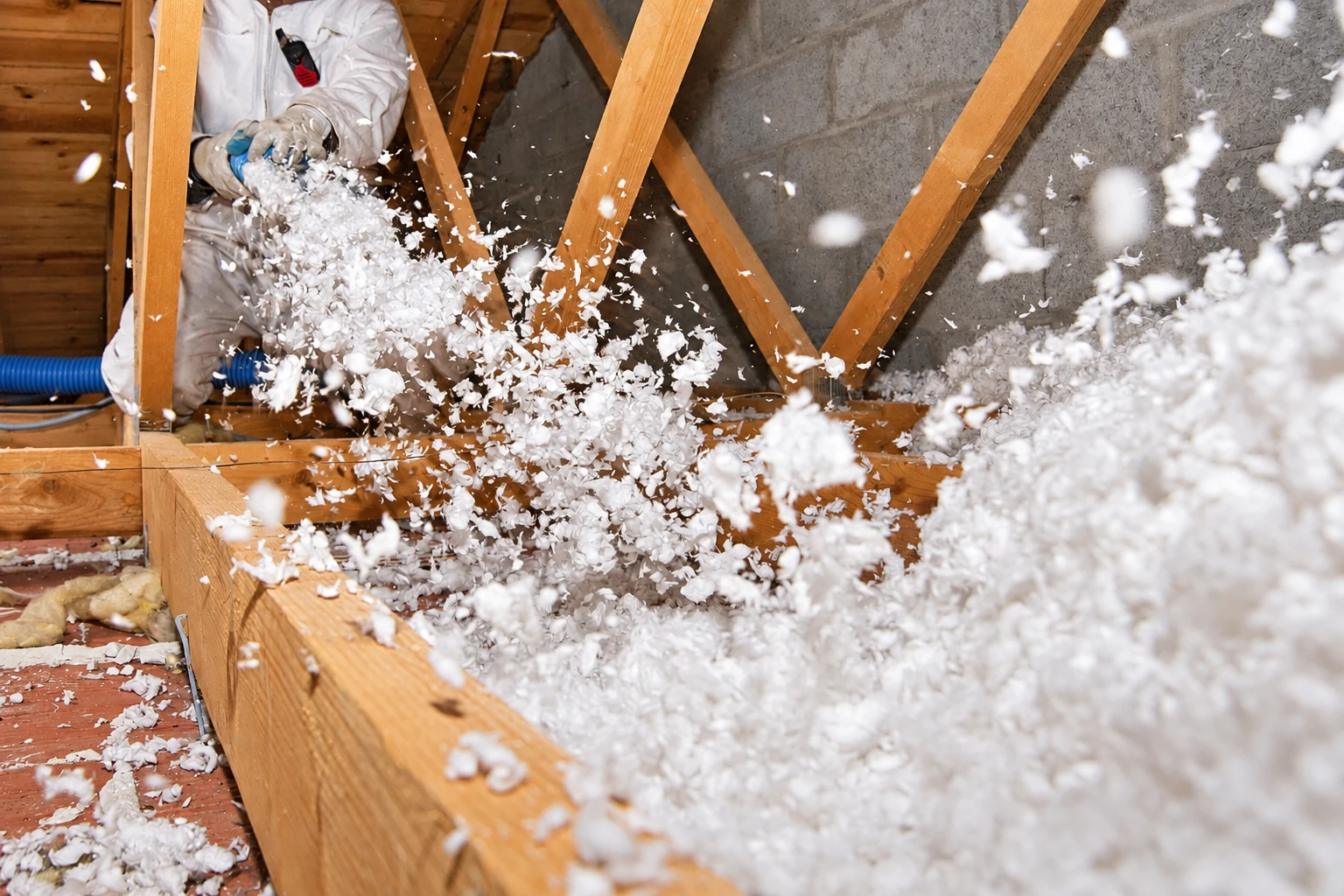
Home insulation in Charleston, SC means sealing the gaps where your house leaks air and adding insulation where it's thin, usually the attic first, then the floors and crawl space, so your rooms hold their temperature better.
What moves the price is mostly what's already in your house: how many inches are up there, whether old material is wet or full of droppings and has to come out first, how old the house is, and whether you go with loose fill or foam. The schedule turns on that same prep work, plus a permit if your address needs one, and your written quote lays out every step so you can see your own figure.
We're licensed and insured, and it's fair to ask anyone who quotes you the same, since South Carolina's licensing board lists insulation installers as a residential trade and its specialty contractor rule covers jobs over $500.
When we leave, I want you to know what's in your attic, what we changed and why, not just that the job got done, so the next decision is yours to make.
I'd rather lose a sale than talk you into work you don't need, a lesson from my years quoting jobs on the selling side. Some houses only need a little, and I'll say so.
I started Trueseal in 2023 so the person who explains your job is the same one who answers for it. I do the estimate myself, and our installers do the work.
Most people ask me where to start, and I usually point to the attic and its air leaks, then we look at floors and the crawl space as the budget allows. I'd rather you do the right first step well than spread the money thin across the whole house.
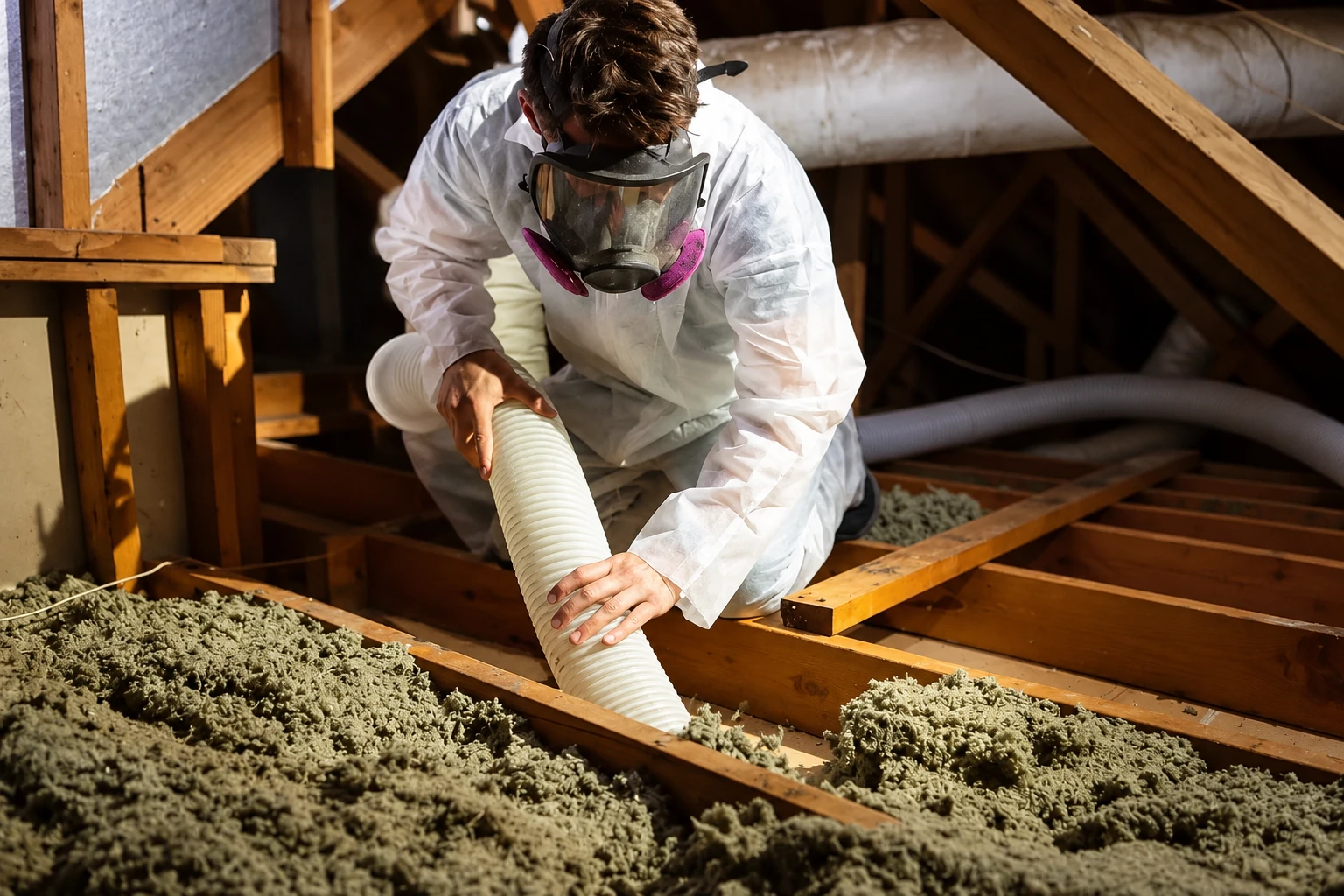
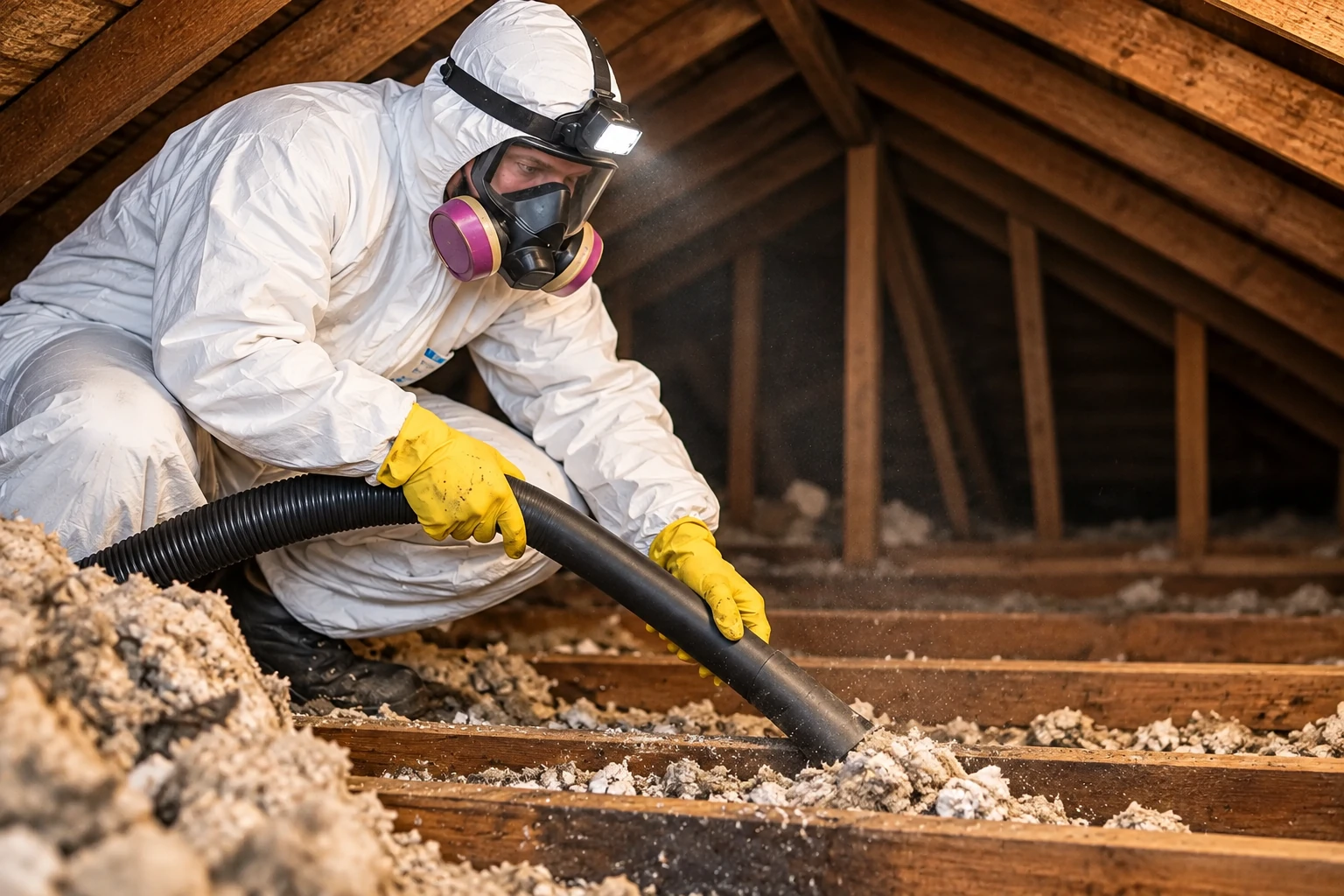
Our crew starts with air sealing, closing the gaps around can lights, pipes and the attic hatch, because insulation laid over a draft spends all day fighting it. If the old layer is soaked or full of droppings, we take it out first with our insulation removal work, since fresh material on top just keeps the problem in your ceiling. Then we add blown-in insulation, loose fill sent through a hose, keeping the eave vents clear so the attic can breathe and building the edges as deep as the middle, where thin spots usually hide.
Foam costs more and seals air while it insulates, so it earns its price when your ductwork runs through the attic, but sealing the gaps and topping up loose fill usually wins otherwise. If we do spray foam, you'll stay out until the re-entry time passes, the point when it's safe for kids and pets to come back in, and we go over that with you before the day. Cold floors come next with crawl space insulation, and when the crew's done, I come back to look the work over with you.
That room usually has a thin or gappy attic above it and an unheated garage below, so it takes heat from both sides. Sealing and insulating around it is often what makes it usable.
When the upstairs runs hot and the power bill climbs every summer, the attic is usually leaking air and short on insulation. The inches already up there tell us whether a top-up will do.
In a flood zone, federal flood rules say materials below the base flood elevation, the flood level set for your site, must resist flood damage, so we pick crawl space materials with that in mind.
Older houses often have insulation that has settled flat, gotten damp or been nested in by pests. Your house's age and what's up there tell us whether to top it up or clear it first.
Send the form and we'll get back to you within one business day. I'll set a time to come out myself, and the estimate is free, on site and obligation-free.
I go up in the attic and down in the crawl space, measure what's already there, and look at the wiring, the old material and the vents before I price anything.
Your written quote shows each step of the job, including any prep that has to come first, so you can lay it beside other quotes and see what's actually different.
Before we quote, we check whether your address falls under a city or county office, since that decides which office you'd be dealing with if your job needs a permit.
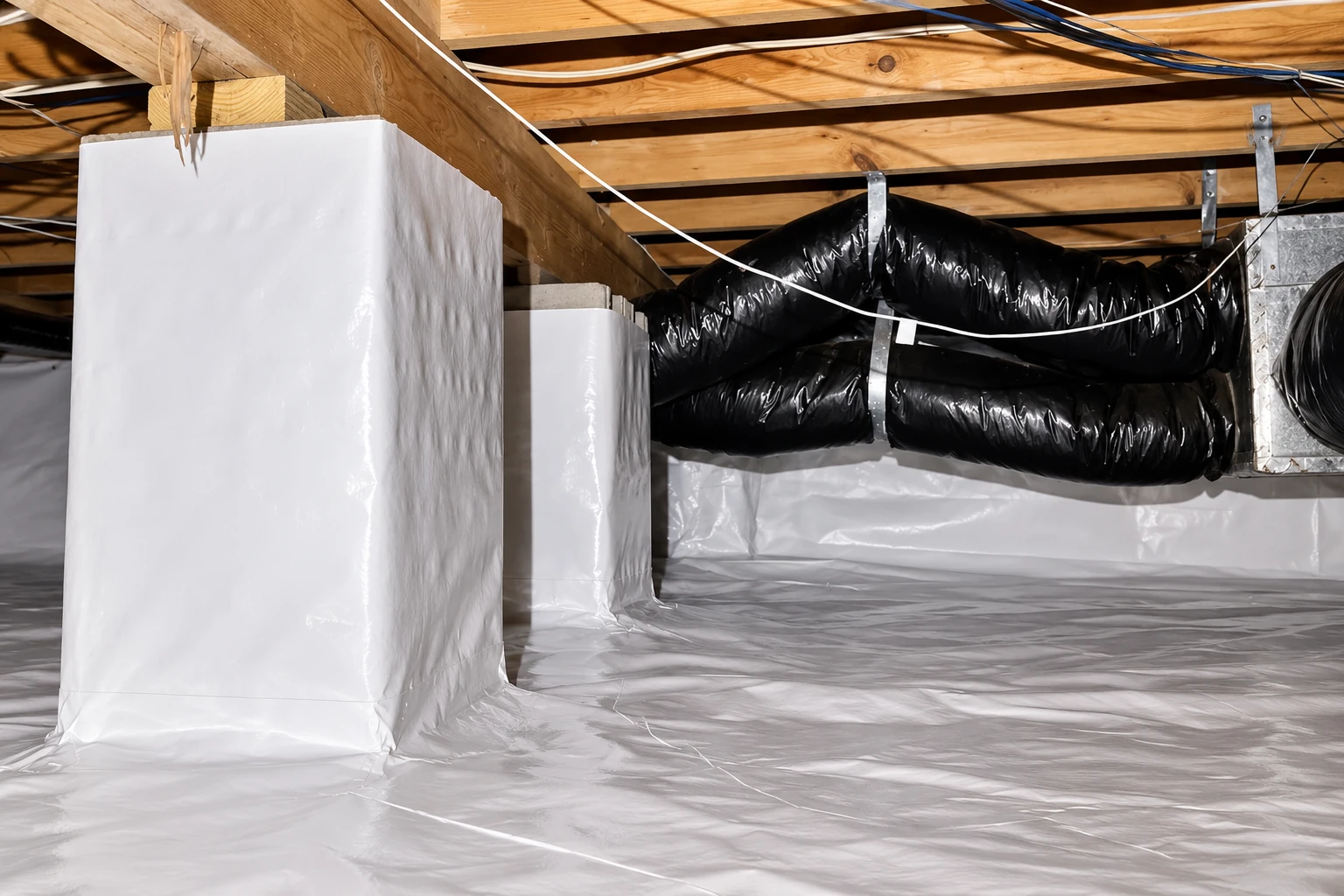
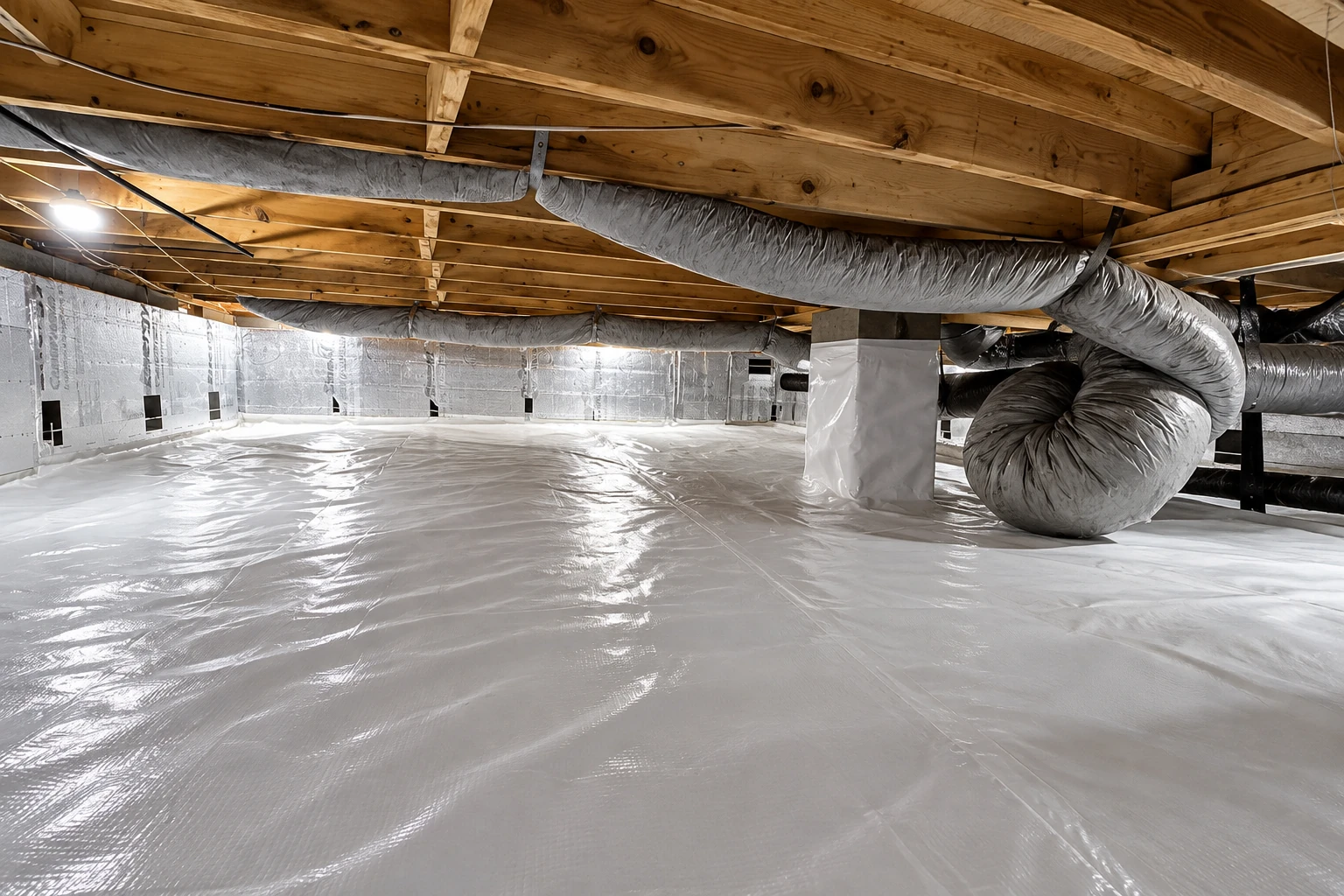
These photos show blown-in attic fill, foam on rafters and crawl space work, examples of materials and layouts to talk through for your house.
Here's what homeowners in Charleston ask me most before they decide where to insulate and who to hire for it.
Attic insulation in the Charleston area usually costs about $1,400 to $4,500 per job. Where your house lands depends mostly on the size of the attic and what has to happen before new insulation goes in, like sealing or clearing out old material. Your written quote spells out each of those steps so you can see what you're paying for.
It usually does, as long as the air leaks get sealed too. Federal energy guidance counts added insulation and fewer air leaks together in its savings estimate, and it calls sealing and insulating between the attic and the house one of the most cost-effective improvements you can make. So ask whether a quote covers the sealing, not just the insulation.
Yes, inside the City of Charleston's Special Flood Hazard Area, all work needs a permit, even painting and interior finishes. That area covers the AE, Coastal A and VE zones but not X zones, and you can look yours up on the city's flood zone page. If your job needs a permit, we handle the application and keep you posted on where it stands.
Not until it's dealt with. Federal attic guidance says insulation goes in only after active knob and tube wiring, an early style of wiring, is replaced or properly boxed, and that work stops if the old insulation is vermiculite, which may contain asbestos. I check for both at the estimate, and if either turns up, it goes on your quote as a first step.
Usually not. Research on hot, humid climates found vented crawl spaces tend to get more humid, and that moisture condenses on the cooler wood of the floor framing, which promotes fungal growth and wood damage. So before we insulate under a floor, we look at how damp the crawl space runs, because insulation over wet framing doesn't fix the wet.
It can be, especially when heat is your main complaint. A radiant barrier is a rolled foil that reflects heat to help keep a house cooler, and it's most useful in hot, sunny climates like ours. Ask me about it at the estimate, and I'll tell you plainly whether it suits your attic or your money is better spent elsewhere.
Call (843) 278-0544 or use the form, and mention your address and anything odd you've seen up there, like old wiring, so I come prepared.