Spray foam insulation
Foam seals air while it insulates, and that matters most when your ductwork runs through the attic. It costs more than loose fill, so I'll tell you plainly when sealing and topping up would do the same job.
Trueseal Charleston Insulation Company insulates attics, walls and crawl spaces for homes in Mount Pleasant, SC. We seal the air leaks first, and we explain what your house needs before any work starts.
Most Mount Pleasant calls start with a hot upstairs, a drafty room over the garage or cold floors over a crawl space. We see everything from older houses with little in the walls to newer ones where the attic was filled thin at the edges. The Town describes two kinds of flooding here. One is local flooding when drainage is blocked or too small, and the other is storm surge from tropical storms and hurricanes. On a lot of houses, that means I want to see under the floor before we talk about the attic.
The price moves with how many inches are already up there, whether old insulation has to come out first, how many gaps need sealing, and whether foam makes more sense than loose fill. The schedule mostly turns on that prep work and on any permit. With spray foam, it also turns on the re-entry time, which is how long you wait before coming back inside. Your written quote lays out every step, prep included, so you can see where the money goes.
We're an insulation contractor based in Charleston, SC, and we do the same work across the cities around it, including North Charleston, James Island and Hanahan.
Before I quote, we check whether your address falls under the Town of Mount Pleasant or the county, since that decides who you'd deal with. If a permit's needed, we apply and keep you posted.
If water has ever reached your crawl space, soaked insulation has to come out before anything new goes in. Laying fresh material over it just hides the problem and keeps the floor framing damp.
When insulation is blown over the vents along the roof's edge, the attic stops breathing and moisture shows in the framing. We set small chutes at the vents so the edges still get full coverage.
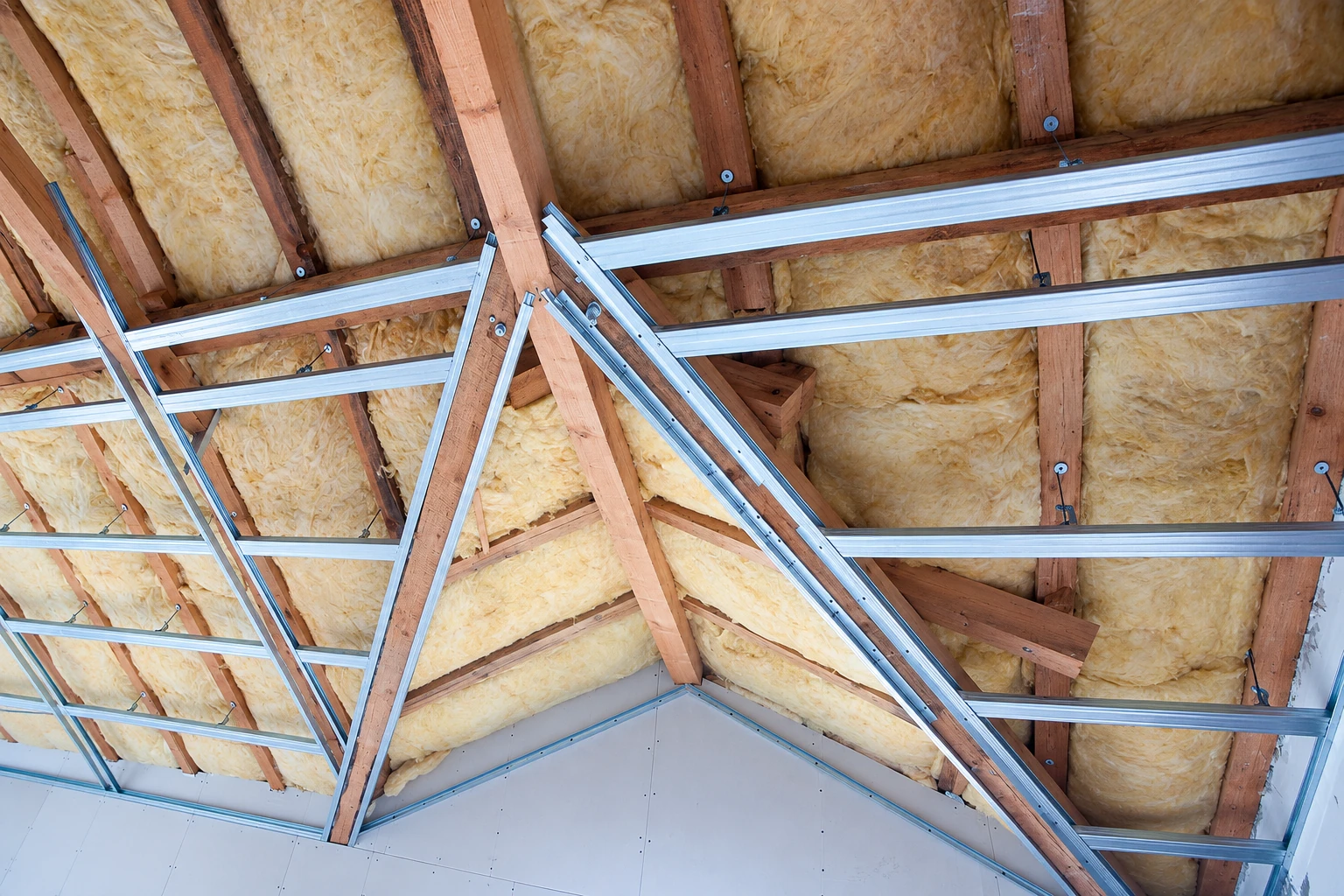
Foam seals air while it insulates, and that matters most when your ductwork runs through the attic. It costs more than loose fill, so I'll tell you plainly when sealing and topping up would do the same job.
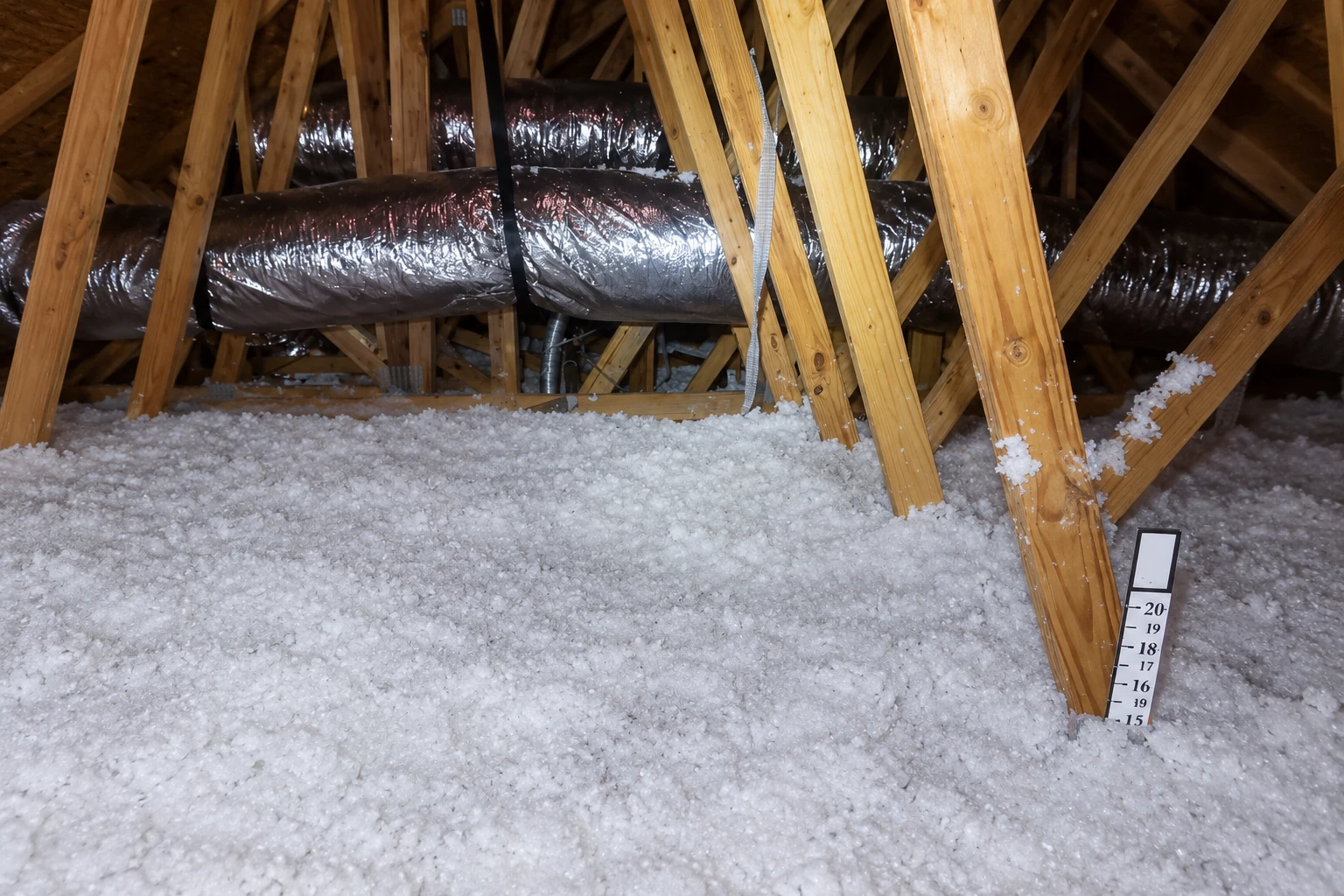
Most hot-upstairs calls start in the attic. We measure how many inches are already there and seal the gaps around lights, pipes and the hatch. Then we add insulation evenly, out to the edges, not just piled in the middle.
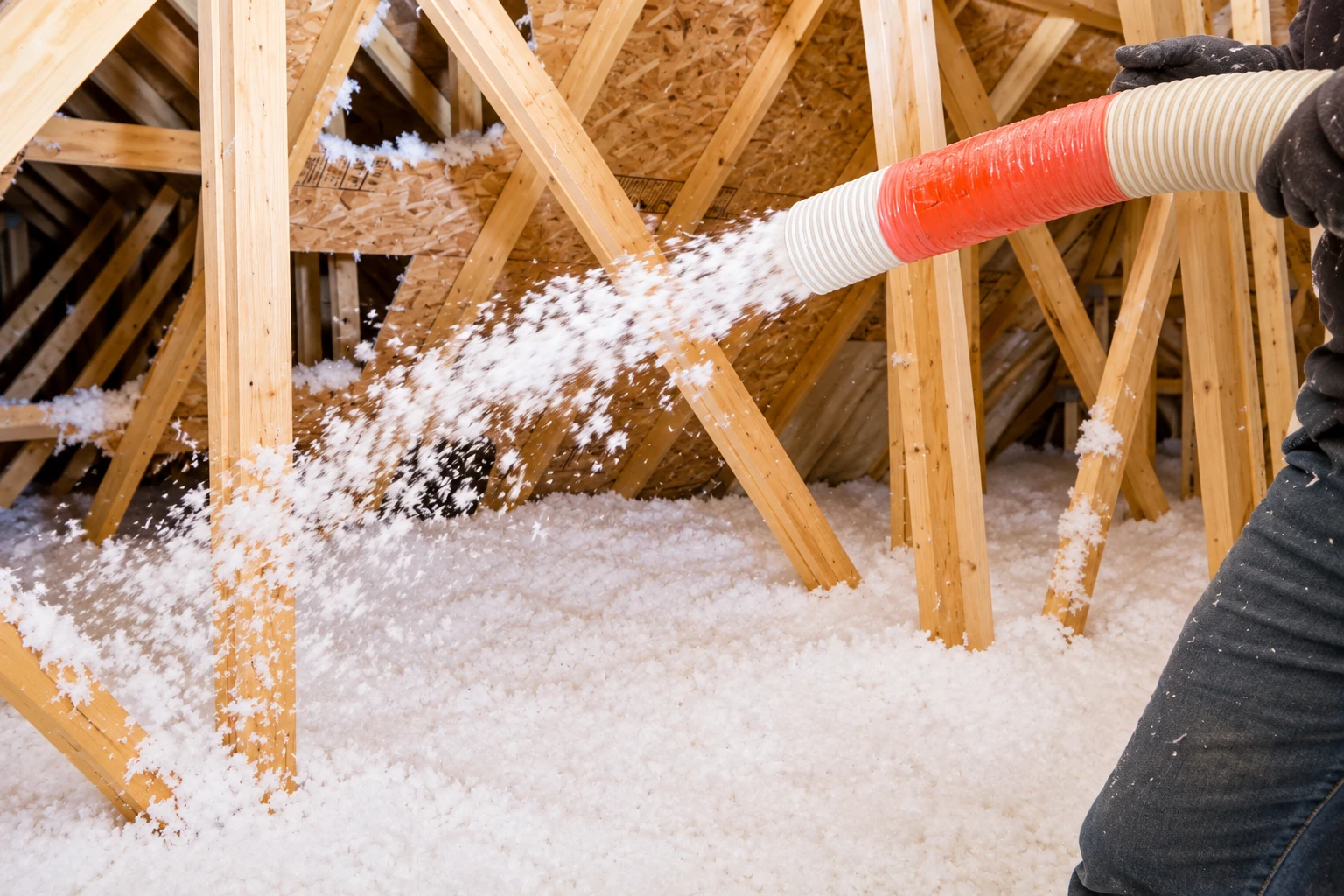
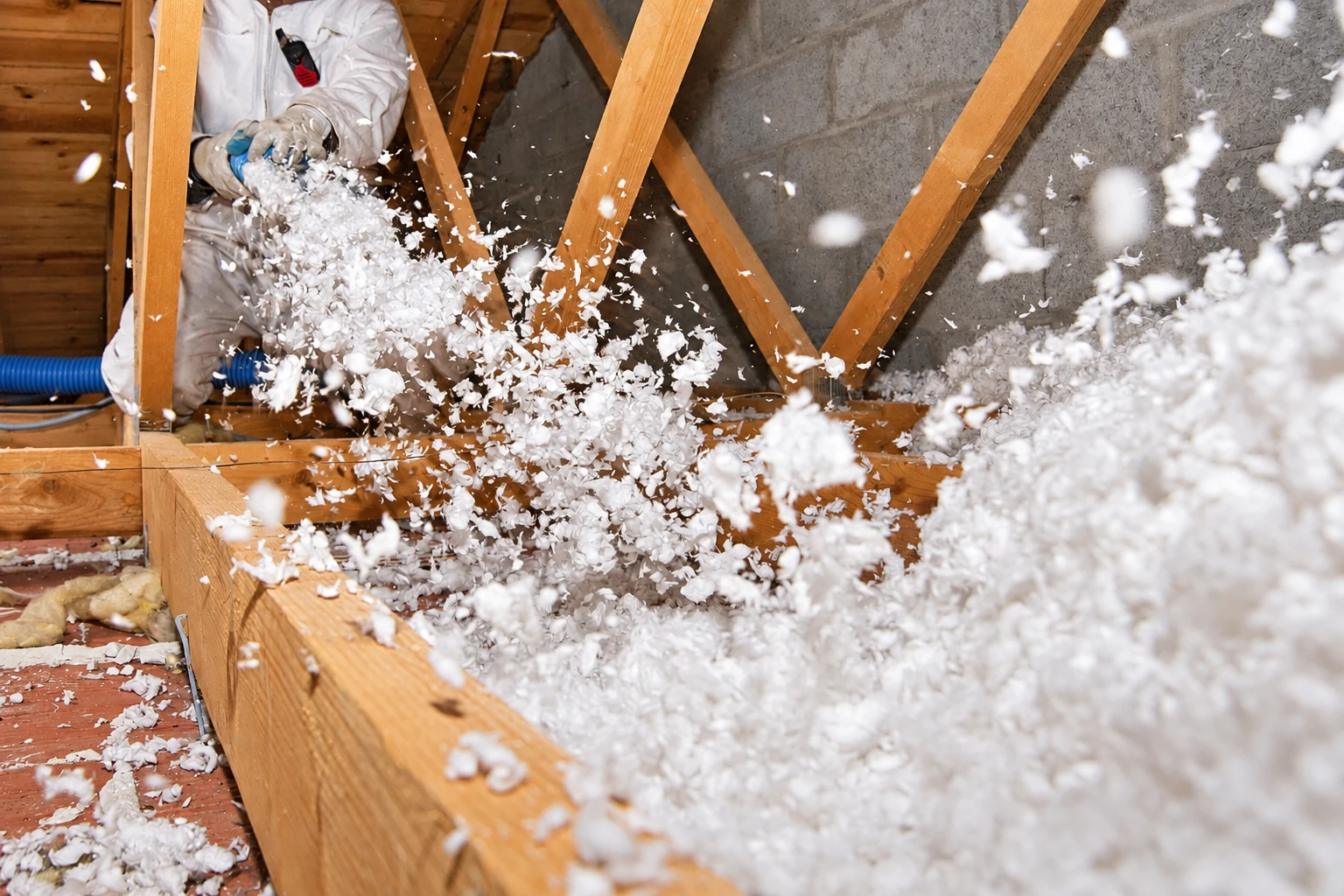
Blown-in insulation is loose fill blown through a hose. It's usually the simplest way to top up a thin attic, and we keep it clear of the eave vents so the attic still breathes.
When several rooms feel drafty or the power bill keeps climbing, we look at the whole house, from the attic and walls to the crawl space. Then we tell you what's worth fixing first and what can wait.
If old insulation got soaked by a leak or is full of droppings, new material on top just buries the problem. We bag the old material out and clean up, and only then do we insulate.
Cold floors usually trace back to the crawl space. We look for wet or fallen insulation first, since anything soaked has to come out, and then we insulate under the floor so it stays put.
Exterior walls in older houses often have little or nothing inside. We can usually fill them through small holes and patch the holes afterward, so your walls and trim stay where they are.
Air sealing means closing the gaps before any insulation goes in. Drafts slip in around windows, doors, outlets and the framing over the crawl space, and insulation can't keep up while air moves straight past it.
If your house has a basement or a room partly below ground, we insulate those walls with a material that won't hold moisture against the concrete, so the room stays usable.
Closed-cell foam is a dense foam that also blocks moisture. That makes it a good fit under a floor over a damp crawl space or in the room over the garage. It costs more, and we'll say when it's worth it.
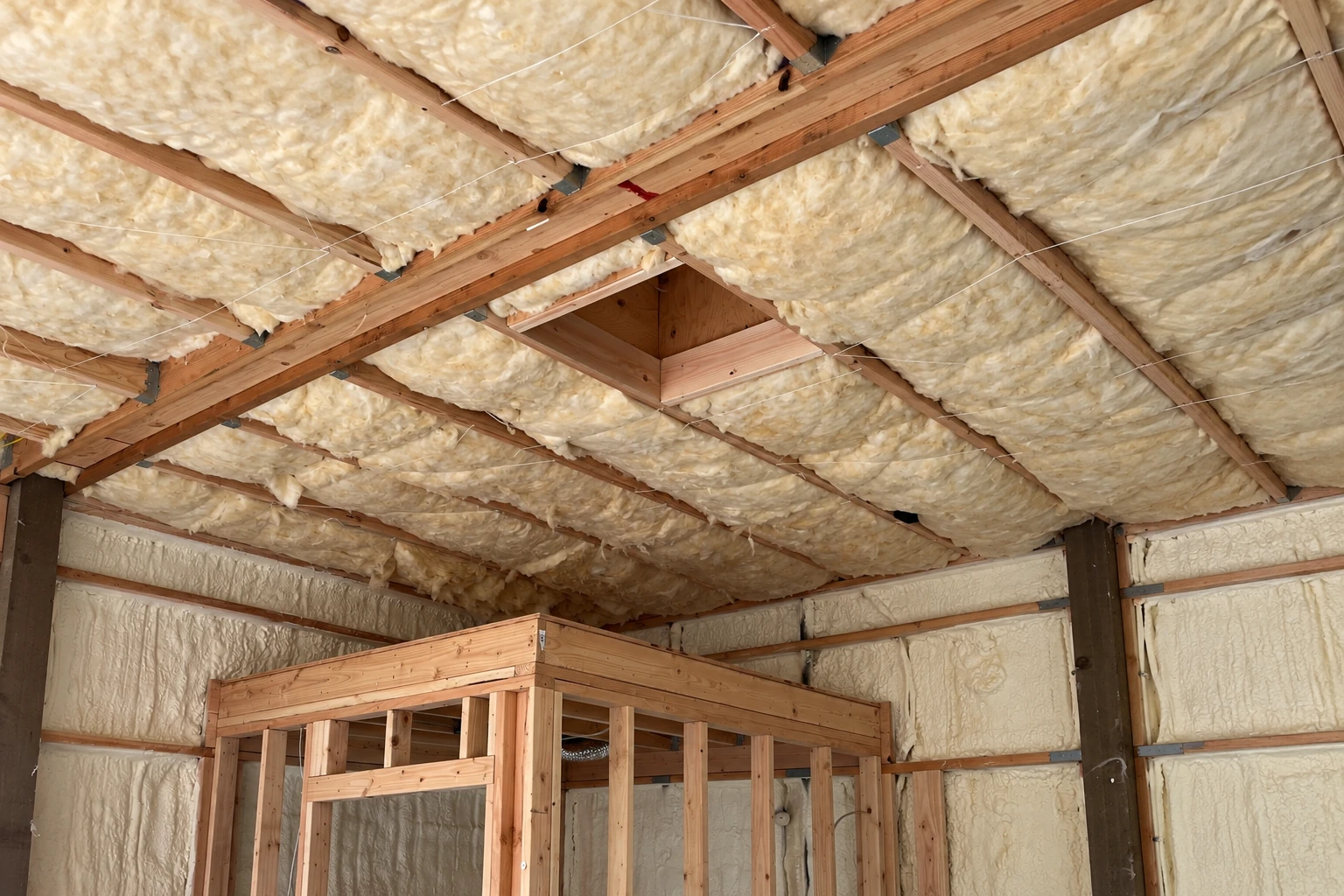
Open-cell foam is lighter and softer. It's often sprayed on the underside of the roof deck so the attic stays closer to the temperature of the house, which helps when your ductwork lives up there.
We insulate offices, shops and small commercial buildings too. We plan the work around your hours so the space can stay open, and we explain the plan the same way we would at a house.
A crawl space vapor barrier is a heavy plastic sheet laid over the dirt under the house. It keeps ground moisture from rising into the floor framing, and we lap and tape the seams so it stays in place.
In walls, floors and crawl spaces, the barrier has to go on the right side of the insulation, or moisture gets trapped where it does damage. We place it where your house needs it.
Before anything goes into the attic, we seal around can lights, plumbing stacks, wiring holes and the hatch. That stops the upstairs and the room over the garage from pulling in hot attic air.
Retrofit work adds insulation to a house that's already built and lived in. We work through attics, crawl spaces and small wall openings, and we show you what's already there before suggesting more.
Send the form and we'll reply within one business day, by phone or email, whichever you used. Then I come out for a free on-site estimate with no obligation, and you get a written quote.
I do every estimate and site visit myself, so the person who explains your attic and crawl space is the same one who answers for the job afterward.
Our installers do the work, and I come back at the end to look it over with you, so you know exactly what's up there now.
Some houses need very little. I'd rather lose the sale than talk you into work you don't need, and I'll tell you plainly if yours is one of them.
These are the questions Mount Pleasant homeowners ask about permits, licenses and the historic district before they hire someone to insulate.
The Town's permit list doesn't name insulation, so we check your job and address before we quote instead of guessing. Under the Town's rules, work valued at $1,000 or less in material and labor doesn't need a building permit unless it needs an inspection. Site plan approval from the Town's planning department still applies. If a permit is needed, we apply through the Town's permit office.
Yes. Residential building and specialty contracting in South Carolina takes a current state license or registration, and the Town checks contractors' licenses with the state's Department of Labor, Licensing and Regulation. Any contractor working in the Town also needs a Town business license. We're licensed and insured, and you're welcome to ask about it at the estimate.
It might be if you live in the Old Village, because the Town's local historic district covers part of it. The Historic District Preservation Commission reviews and approves exterior changes there before work starts. Most insulation work happens inside, but tell us at the estimate so we can check whether anything we'd do shows on the outside.
These are the cities with their own page on our site, not the only ones we work in. If yours isn't listed, call or send the form and ask.
If you have quotes that don't line up, call (843) 278-0544 or send the form, and I'll show you what each one covers.