
Finishing the basement into a room
If you're adding drywall and flooring, insulation goes in first so the new room isn't cold and clammy. We'll also talk about the wall finish, since some paints and wall coverings trap moisture.
Damp walls, a musty smell or a cold floor down there? We deal with the water first, then insulate so the space can stay dry.
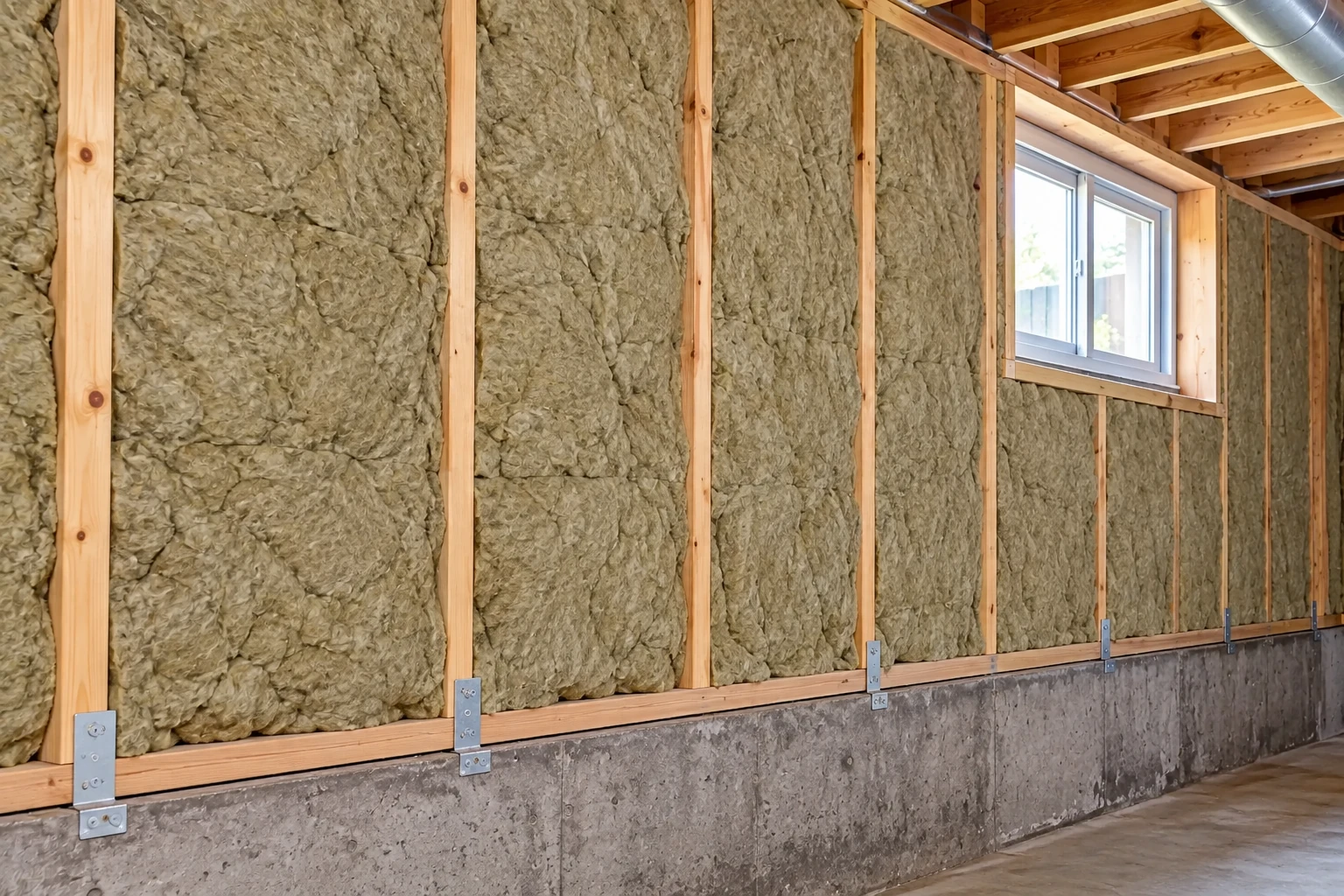
Basement insulation in Charleston puts rigid foam boards or spray foam on the inside of your basement walls, so the space holds its temperature, carries less noise and, once any water problem is handled, stays dry enough to use.
Most calls start with something you've noticed, like a musty smell, a chilly room you'd like to use or damp spots low on the wall. The price mostly turns on how much wall there is, which foam goes on and how thick, and whether drainage or old insulation has to be dealt with first. The schedule turns on that same prep work, plus a permit if your house sits in a flood zone, and the written quote from your estimate lays out every step so you can see where the money goes.
South Carolina lists insulation installers as a residential specialty trade for jobs over $500, and we're licensed and insured for that work.
I explain the why before the what, so when we leave you know how water and air move through your basement and what to keep an eye on down the road.
I do the estimate myself, our installers do the work, and I come back at the end to look it over with you, so whoever explained the job also answers for it.
Your written quote shows every step, including any drainage or removal that has to come first, which helps when you're holding a few quotes and can't tell them apart.
Water comes first in a basement. Before anyone talks about foam, I walk the walls with you looking for water lines, staining and damp corners, because insulation over a wall that gets wet only hides the problem until it shows up as mold or rot. If your walls ever get wet, we sort out drainage before any foam goes on.
Then I walk you through the foam choices, closed-cell foam insulation, open-cell foam insulation or rigid foam boards, in terms of what each one does to keep your basement dry. If the simpler option is all your house needs, I'll tell you so.
Our installers set foam boards flat against the wall with no air gaps behind them and seal every seam and edge, since a gap behind a board is where damp air collects. Spray foam gets covered with drywall or a fire-protective paint, and we keep wood, paper and fiberglass batts off bare concrete because they soak up moisture.
If you're adding drywall and flooring, insulation goes in first so the new room isn't cold and clammy. We'll also talk about the wall finish, since some paints and wall coverings trap moisture.
Plenty of basements end up as storage because they feel cold and smell damp. Once the water's handled, insulated walls hold a steadier temperature so the room is comfortable enough to use.
Insulated walls also cut down on noise, which helps when the basement holds a home gym, a workshop or a TV room and you'd like the sound to stay down there.
If the insulation already down there got wet or smells, it comes out before anything new goes on, because fresh material over a soaked layer just keeps the problem around.
Send the form and we'll reply within one business day, by phone or email, whichever you used. I'll set a time for a free on-site estimate with no obligation and leave you a written quote.
Before I quote, I check whether your house falls under the city or the county. If you know your flood zone, add that too, since it decides whether a permit comes into it.
Even once a year after a big storm counts. It tells me whether drainage belongs on the quote, and that changes both the price and the order of the work.
I spent years on the selling side, and I'd rather lose a sale than talk you into work your house doesn't need. Satisfaction guaranteed.
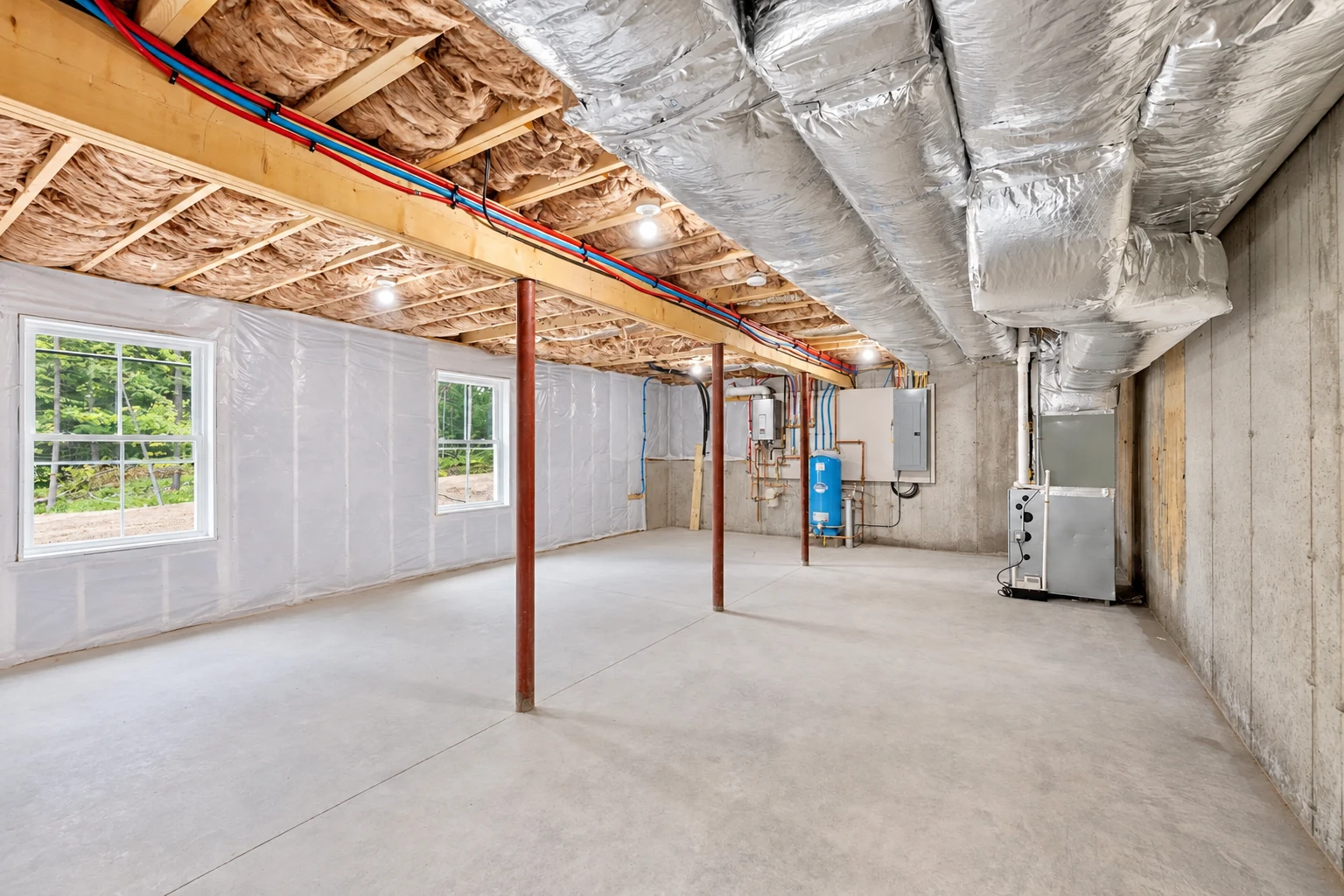
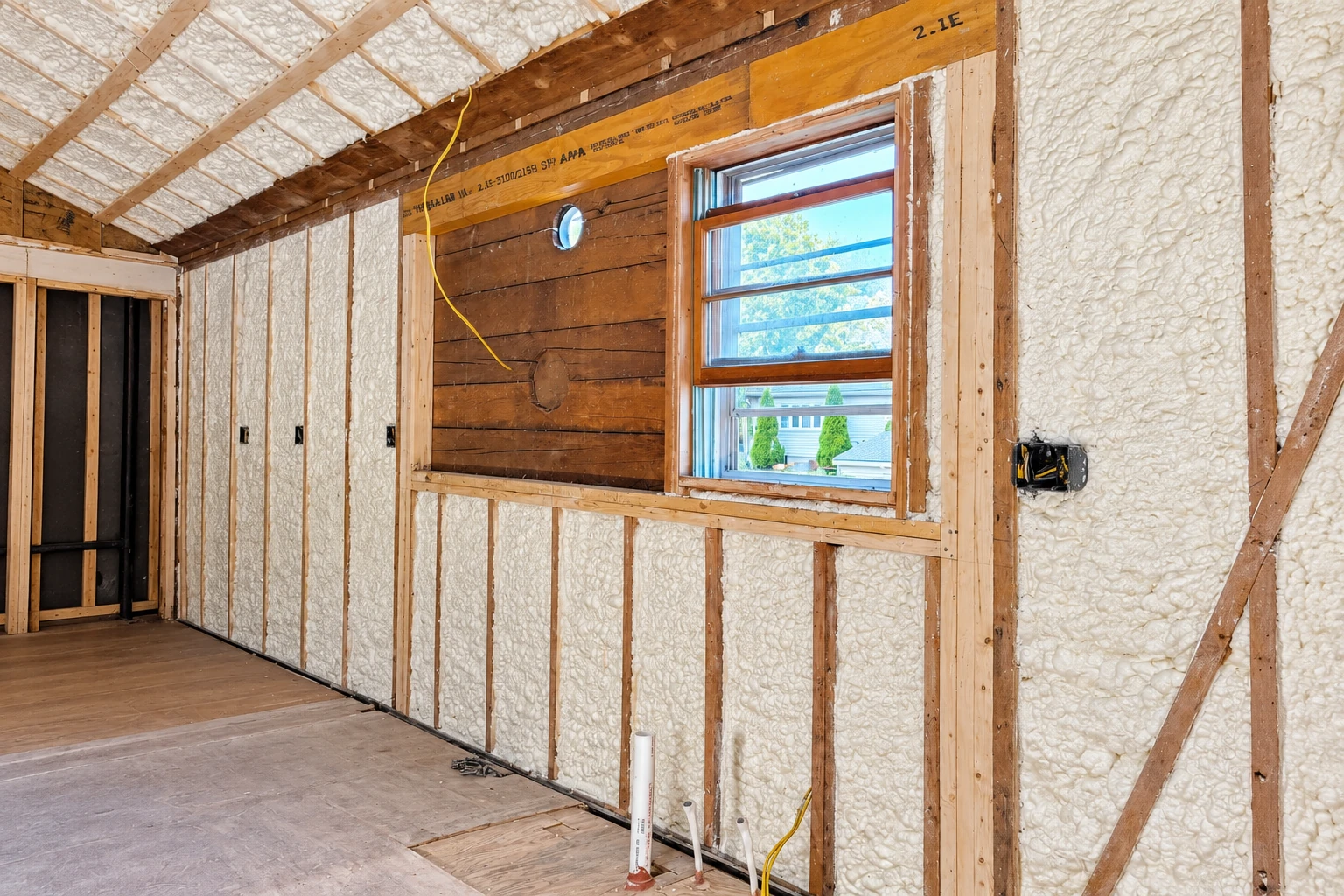
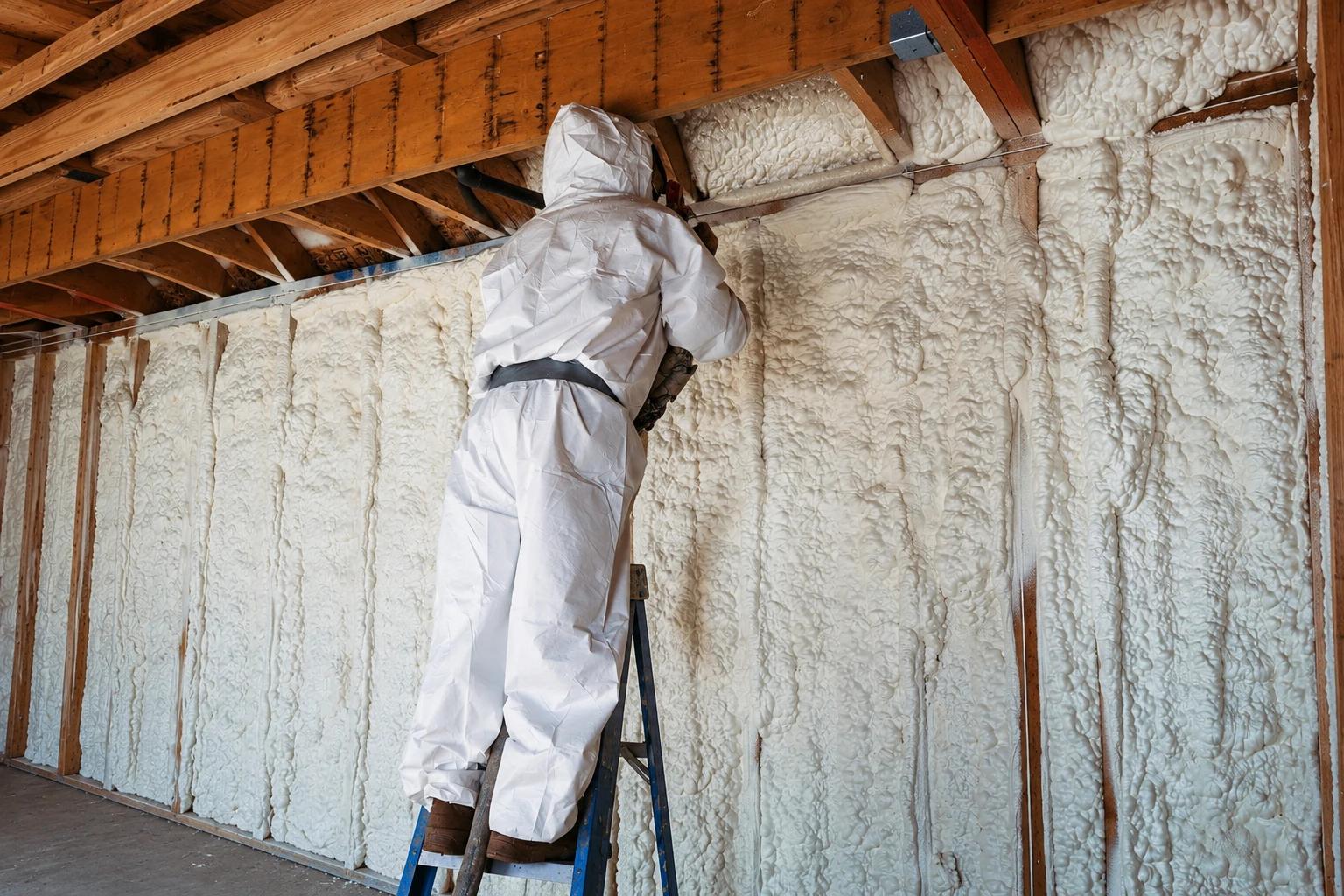
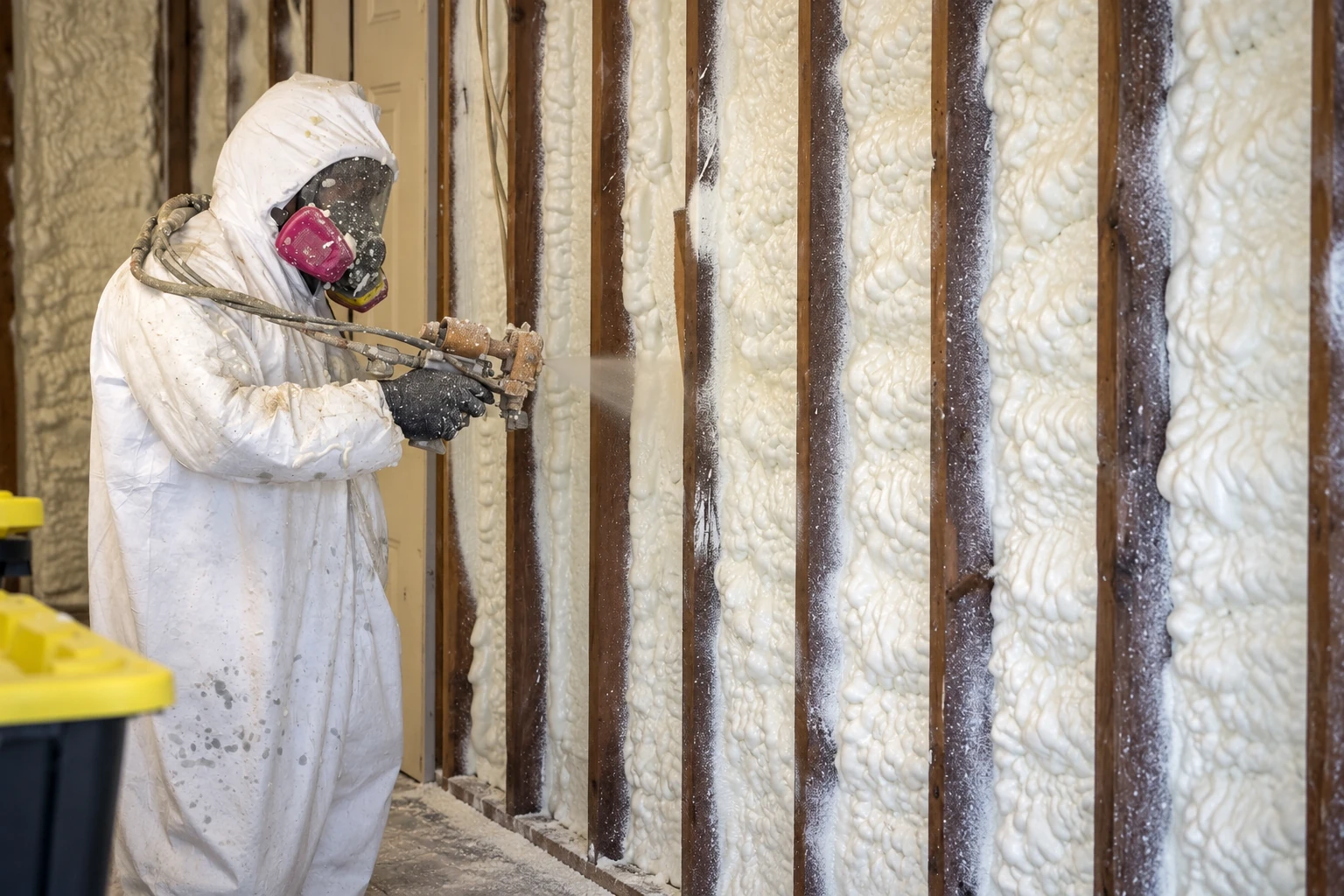
Examples of spray foam, rigid foam boards and finished basement walls, to help you picture the options we'll talk through at the estimate.
Straight answers to what people ask most about cost, permits, wet walls, foam choices and flooding before they insulate a basement.
Insulation in Charleston usually costs about $1 to $5 per square foot, and that's the going range for insulation in general, not our price. Where your basement lands depends on the foam, the thickness and any drainage or removal that has to come first. Your free written quote shows each of those as its own step.
If your house is in the City of Charleston's flood hazard area, yes, because the city requires a permit for all work there, interior finishes included. That area covers AE, Coastal A and VE zones, not X zones, and you can check how your zone applies with the city. If a permit's needed, we handle the application.
It can. When improvements over the past year add up to 50% or more of the building's value, the city requires the whole house to meet current floodplain rules, and it checks that through construction permits. If insulation is part of a bigger remodel, tell me the full scope at the estimate so the permit side gets planned with it.
Get the water handled first. If your walls are visibly wet at times, or water runs down them onto the floor, an interior drain system should go in before any insulation, so drainage becomes step one of the plan. I'll look for those signs at the estimate and put it on the quote if you need it.
Closed-cell spray foam gives the best moisture control of any foam used on the inside of basement walls. Open-cell foam seals out air just as well but has to go on thicker to hold back vapor, so the choice comes down to how damp the space runs and how much wall depth you're willing to give up.
Yes, insulation on the inside of the walls has to come out completely after a flood, because it's contaminated and it keeps the wall from drying. Going by field experience, foam on the outside of the foundation seems to come through with little damage, so in a flood-prone spot it's worth deciding where the insulation goes before anything is installed.
We're based in Charleston and work across the cities around it, so call (843) 278-0544 or use the form to set up a visit.