Check whether you're in the city
Before I quote, we check whether your address is in the city or under Charleston County, because that decides who you'd deal with. The city Permit Center points addresses off its map to the county's mapping.
If the upstairs runs hot and the power bill keeps climbing, we add insulation and seal the gaps your older house is losing air through.
Retrofit insulation means adding insulation to the attic, floors and crawl space of a Charleston house that's already standing. At Trueseal Charleston Insulation Company we usually pair it with air sealing, which closes the gaps where air slips through, so your home can cost less to heat and cool.
The price mostly turns on where the insulation goes, the attic floor or the roof deck, and on what's already up there, since old insulation that got soaked or full of droppings has to come out before anything new goes in. How much sealing the attic needs and how easy it is to get into matter too.
The schedule hangs on that same prep, plus a permit if your job needs one, and if foam is part of the plan, there's a wait called re-entry time before your family and pets come back inside. I look at all of it in person, and your written quote spells out each step so you're not guessing.
I do the estimate myself, our installers do the work, and I come back at the end to go through the attic with you, so the person who explained the job answers for it.
A lot of our calls come from people holding a few quotes they can't tell apart, so ours lists every step, including any prep that has to happen before new insulation goes in.
We're licensed and insured, and I'd rather lose a sale than talk you into work you don't need. Sometimes an older house needs very little, and I'll tell you so.
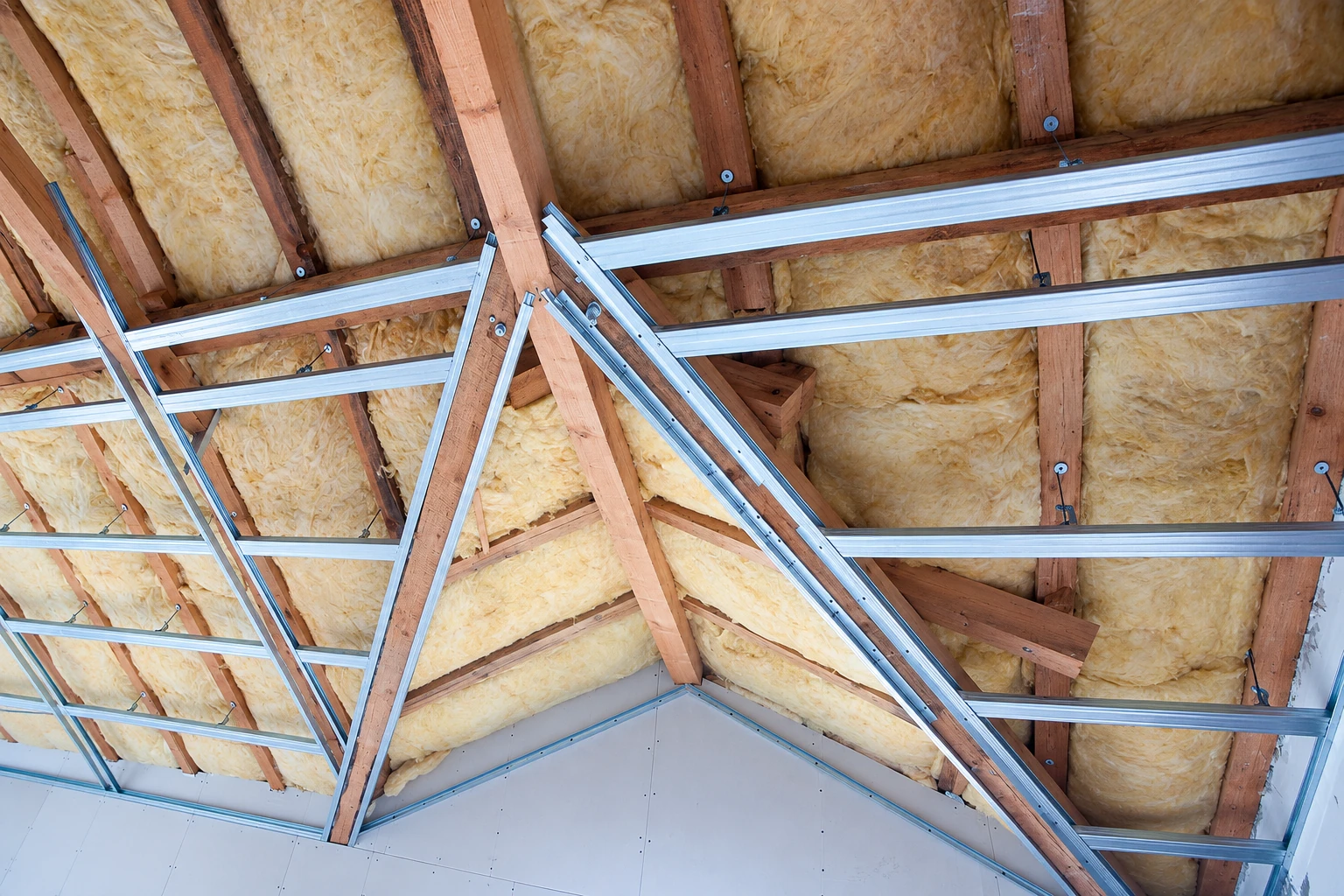
In an older house, the first thing I ask is where your heating and cooling equipment sits, because that tells us whether to insulate the attic floor or the roof deck. When the equipment and ducts are downstairs, sealing the gaps and topping up with attic insulation across the floor usually wins, and if the less costly option makes sense for your home, that's the one I'll recommend. When the air handler lives up in the attic, we look harder at spray foam insulation on the roof deck, and the questions below explain why.
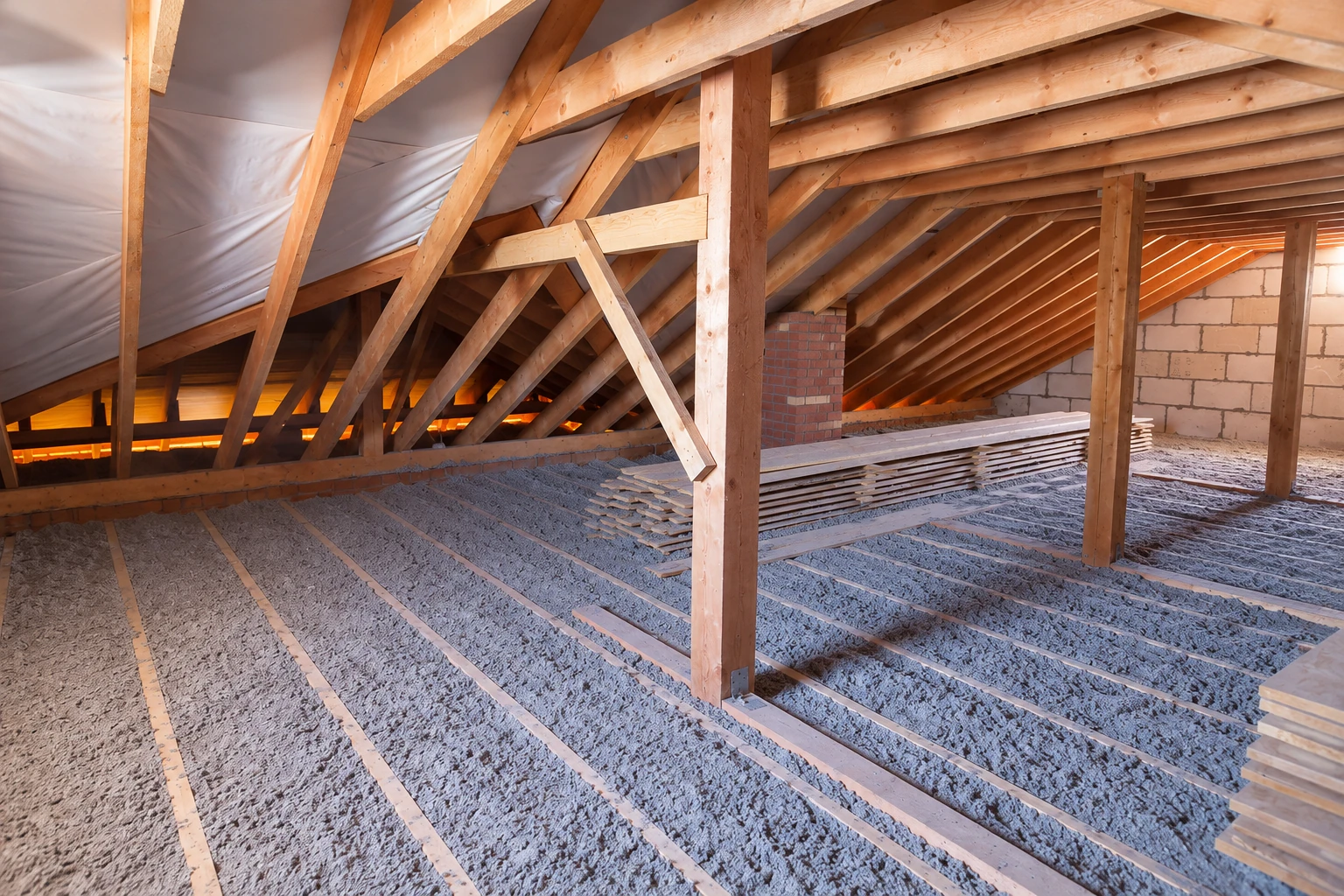
Before anything new goes in, we look at what's already up there and measure how many inches you have. If the old material is soaked or full of droppings, it comes out first, because laying fresh insulation on top just buries the problem. Then our crew seals around the can lights, the pipes and the attic hatch so the new layer isn't fighting a draft.
When we blow in loose fill, we keep the eave vents clear so the attic can still breathe, since a buried vent is how moisture ends up in the framing. We also work the edges as carefully as the middle, because thin coverage along the eaves is where a lot of attic jobs come up short.
Before I quote, we check whether your address is in the city or under Charleston County, because that decides who you'd deal with. The city Permit Center points addresses off its map to the county's mapping.
In the city, Development and Construction Services handles permits, and its residential application lists insulation as a kind of work. If your job needs a permit, we handle the application and keep you posted.
If your house is in a designated area and the job touches the outside, like insulating walls while the siding is off, the Board of Architectural Review station at the Permit Center handles that exterior work.
Depending on the scope of work, a homeowner applying for their own permit may need to file an exemption form with the county office first. We'll tell you exactly what we're doing so the paperwork matches.
Send the form and we'll reply within one business day, by phone or email, whichever you used to reach us. I'll come out, look at the attic and give you a free written quote with no obligation.
If you know whether your air handler and ducts are in the attic, a closet or under the house, put it in the form, because it's the first thing I'll ask about.
Your quote lists every step, including prep like pulling out old insulation, so you can see what has to come first and line it up against the other quotes you have.
We're based in Charleston and work across the cities around it, including Mount Pleasant, North Charleston, James Island and Summerville, plus plenty more nearby.
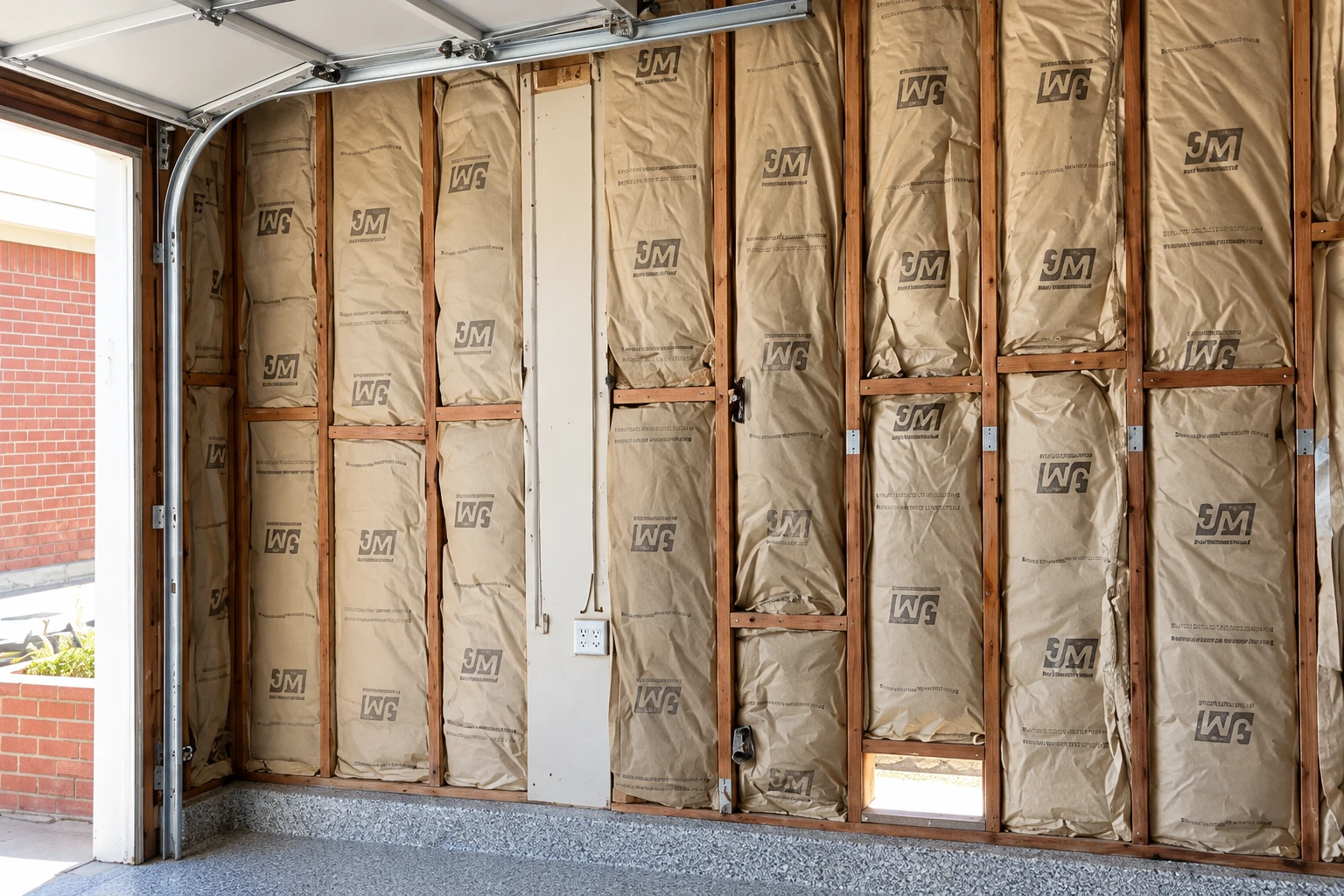
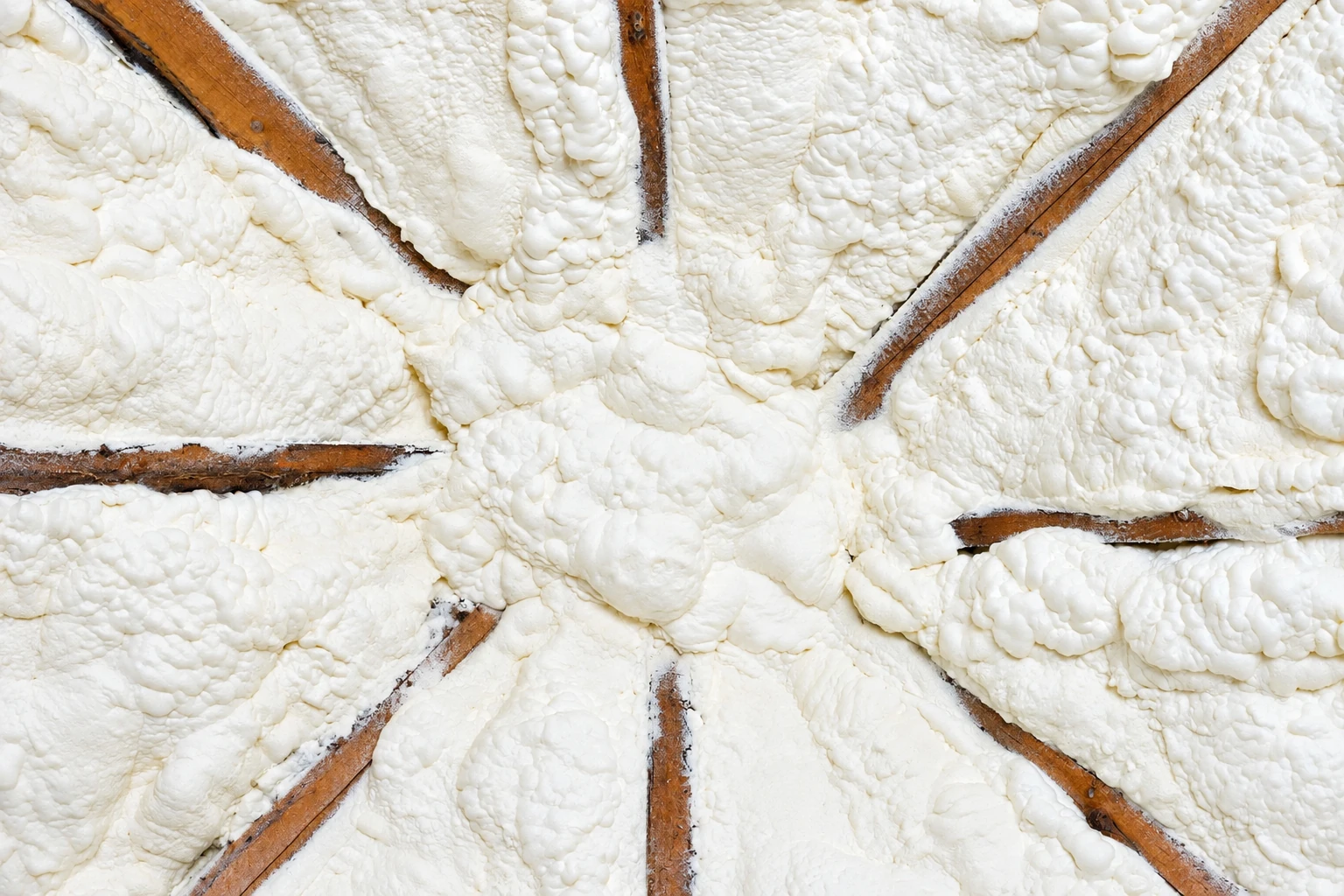
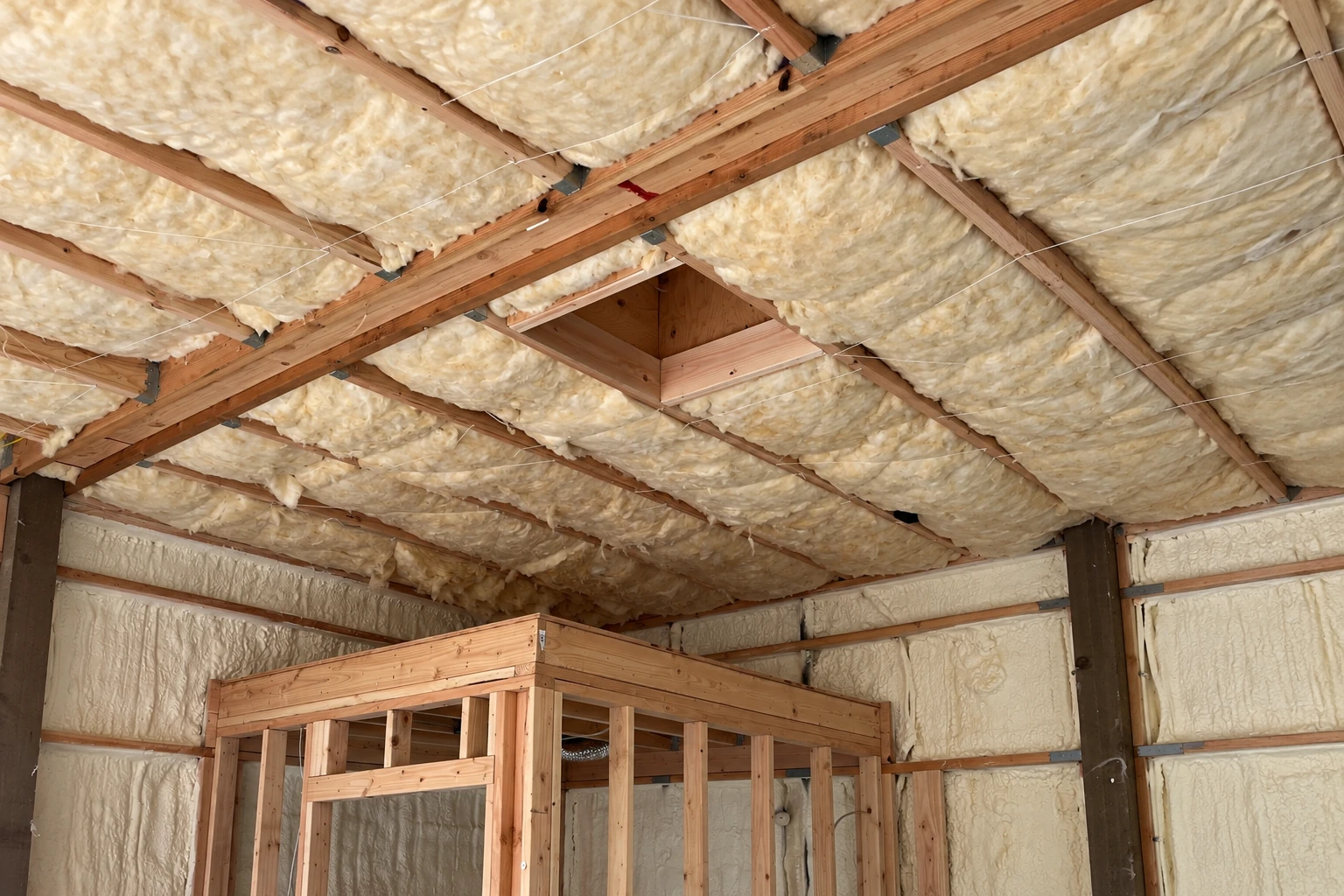
Example photos of blown-in attic floors, foamed roof decks and sealed hatches, so you can point to what you'd like to talk through.
Here are straight answers to what people ask most before adding insulation to an older Charleston house, from cost to who's allowed to do it.
Across the US, installing blown-in attic insulation usually runs about $4 to $7.50 per square foot. That's a national range, not our price, and your total depends on any old insulation that has to come out and how much sealing comes first. For your house, I'll come out for a free estimate and give you a written quote with every step listed.
Usually the attic floor, because blowing cellulose or fiberglass across the floor of a vented attic generally costs less than spray foam or foam board at the roof. The exception is when your heating and cooling equipment is up there, since sealing and insulating at the roof deck has big advantages in that case and can be worth the higher cost.
Yes, and it's the easiest time to do it. With the siding off an uninsulated wood-frame wall, insulation can be blown in through holes drilled in the sheathing, the boards under the siding, before the new siding goes on. If you're planning new siding, call us early so the two jobs line up.
In hot, humid climates like ours, cold air-conditioning ducts can sweat in summer, and that water can lead to mold and rot in the attic floor. That's why we plan attic insulation with the ducts in mind, checking where they run and whether they're sweating before we pick a method.
South Carolina lists insulation installers as a residential specialty contractor trade, and that covers insulating work for a homeowner when the job runs over $500. You can look up the trade with the state licensing board. It leaves out exterior roofing foam and reflective coatings, so if a quote includes those, ask who's doing that part.
Call (843) 278-0544 or use the form with your address, attic access and where your equipment sits, so we can check your permit office first.