
Attics where the ductwork lives
When your AC unit and ducts sit in the attic, foam under the roof deck brings them inside the cooled part of the house, so they aren't fighting a hot attic all summer.
Is the upstairs hot or the room over the garage drafty? We spray foam that seals the gaps as it insulates, and we'll tell you whether it fits your house.
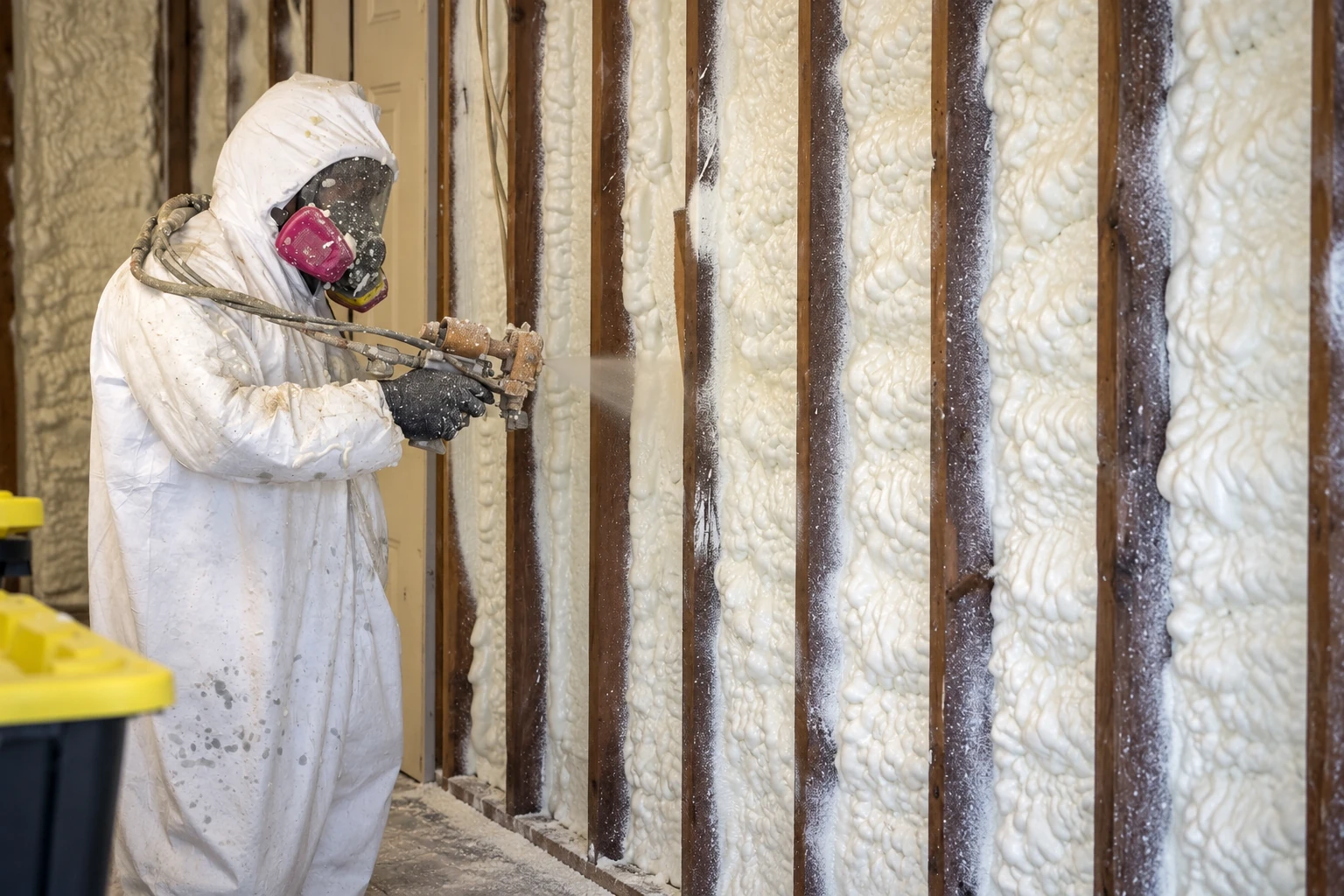
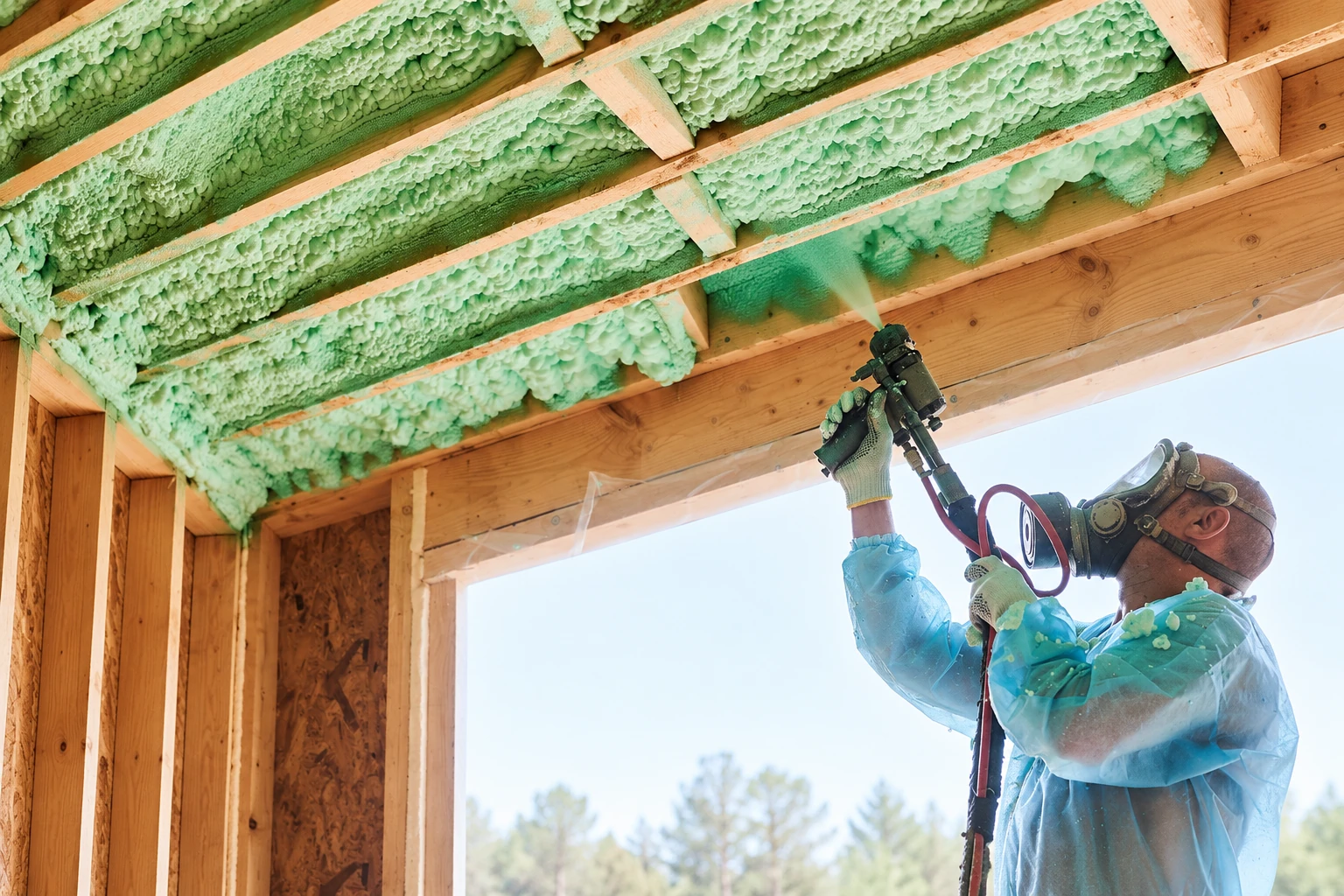
Open-cell foam insulation in Charleston, SC is a soft spray foam we apply to the underside of the roof or between wall studs. It expands to fill the gaps, so it stops drafts and slows heat in one pass.
Most calls start with an upstairs that won't cool down, a room over the garage that never feels right, or a power bill that keeps climbing. The price mostly depends on the square footage, how thick we spray, whether old insulation has to come out first and whether the foam needs a covering. The schedule depends on that prep, any permit and finding a day when you can be out of the house. I come out, measure and give you a written quote that lists every step, prep included. South Carolina treats insulation installers as residential specialty contractors on jobs over $500, and we're licensed and insured.
I do the estimate myself, our installers do the spraying, and I come back at the end to look the foam over with you. Satisfaction guaranteed.
Your written quote shows every step, including prep like pulling out old insulation, so you can lay it next to other quotes and see what each one covers.
Foam isn't the right call for every attic. If sealing the gaps and adding to what you already have will do the job, I'll tell you, even if it means a smaller job.
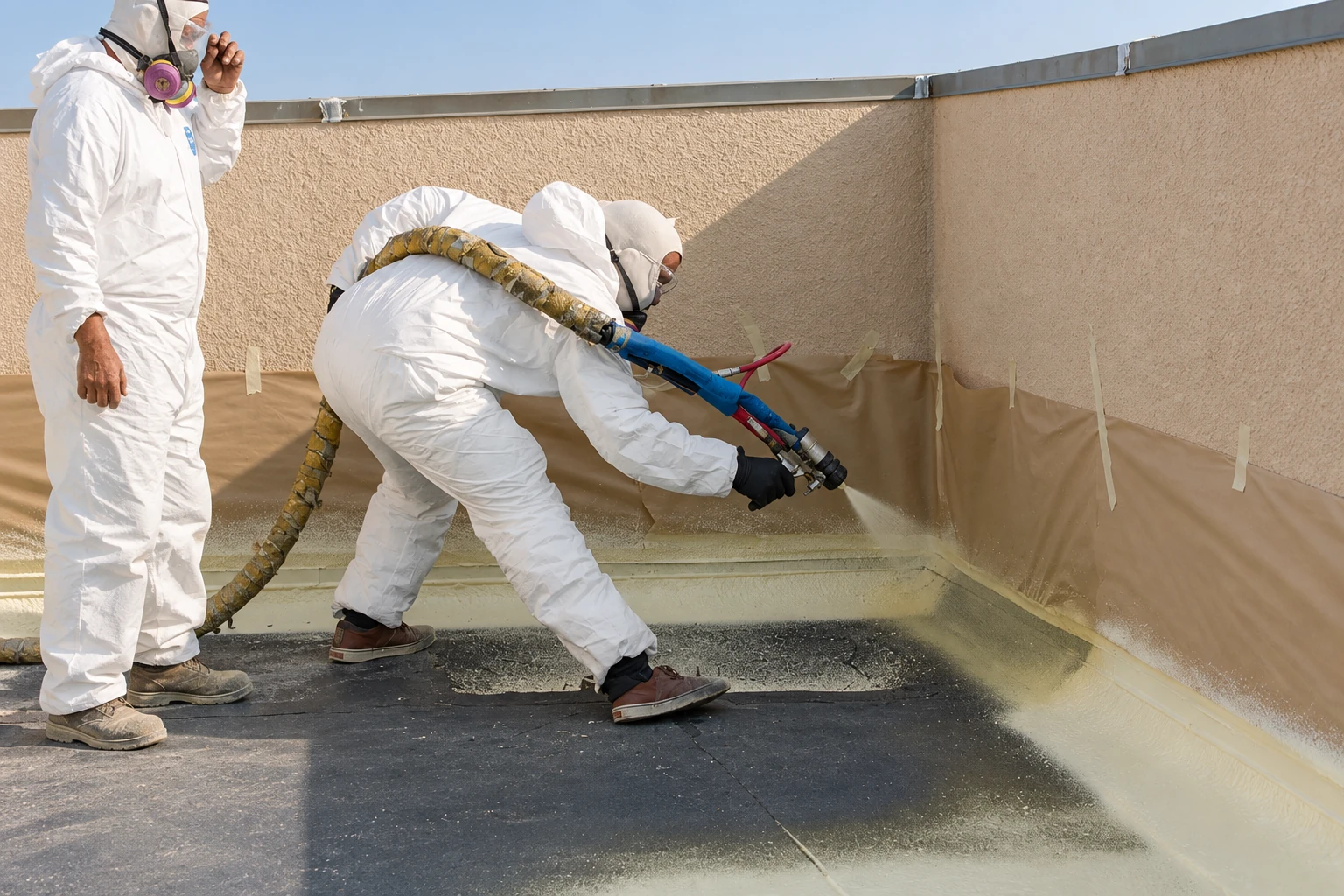
Before any foam goes in, our crew clears the way, because spraying over old insulation that got soaked or filled with droppings just seals the problem in. If I spot old wiring or vermiculite on the estimate visit, we treat it as an ordinary first step, and it goes on the quote ahead of the foam. Then we cover what needs protecting, spray the roof deck or wall cavities in passes, trim back any foam that swells past the framing and clean up before you come home.
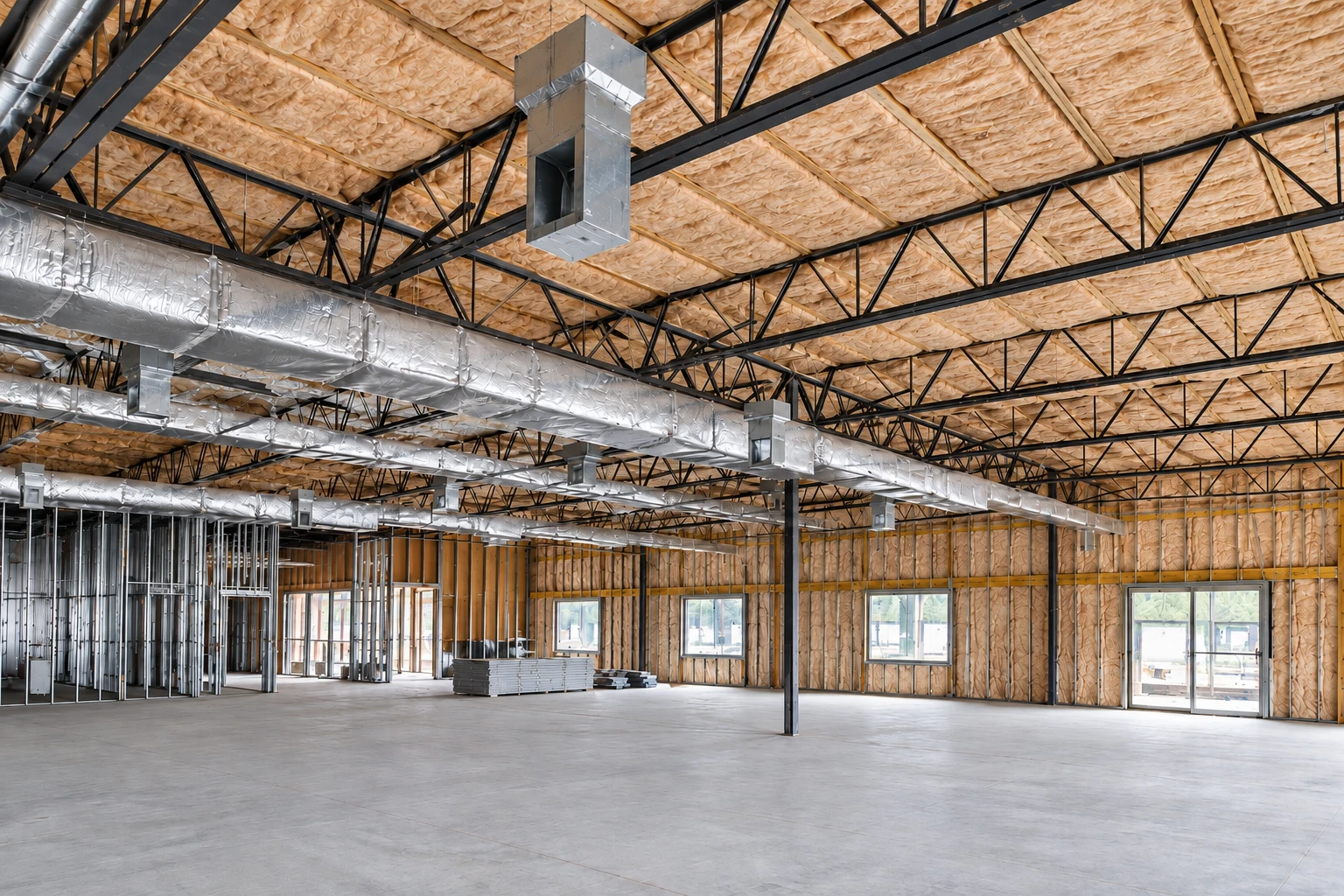
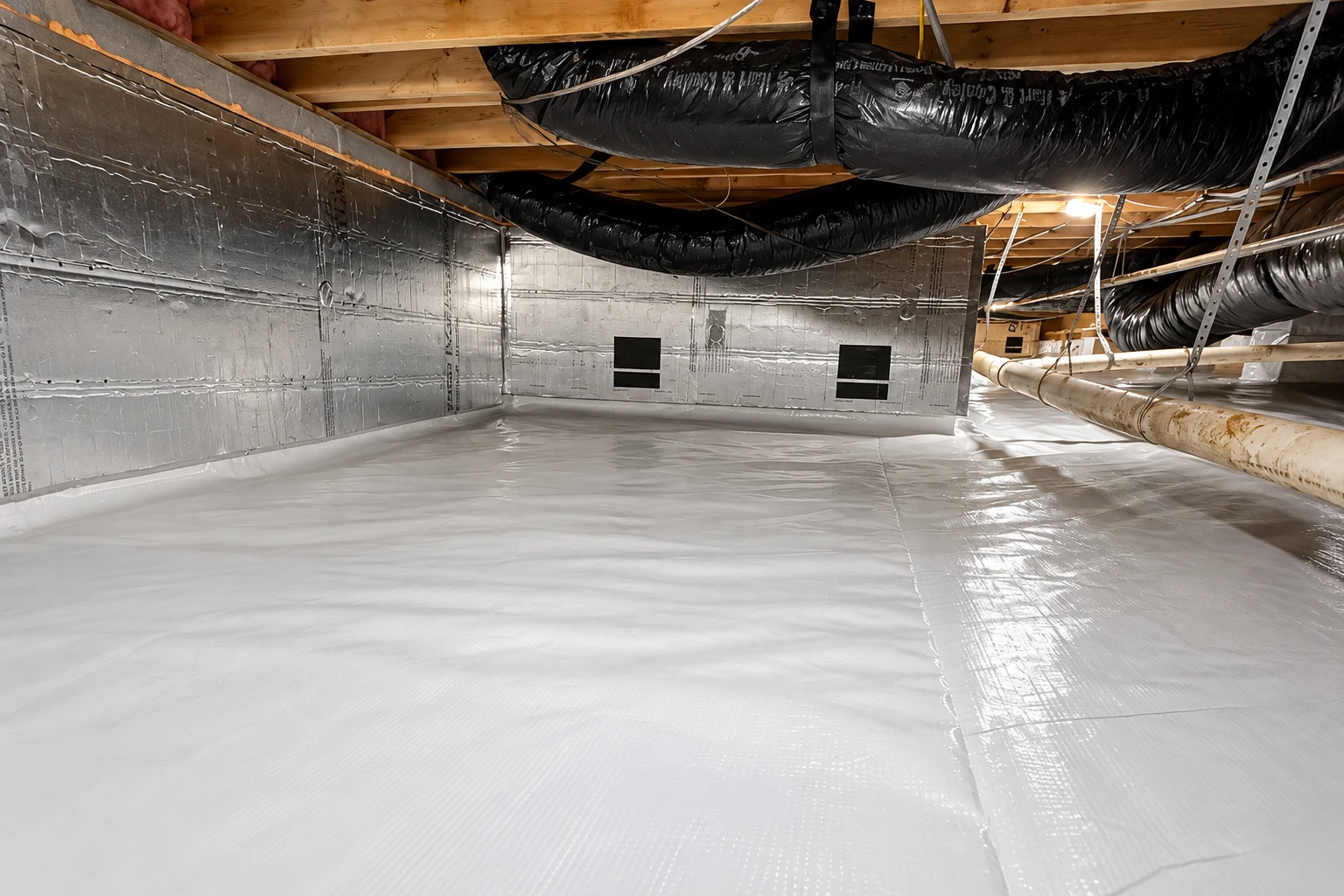
Open cell is the less costly of the two foams and suits plenty of attics and walls, but it isn't the answer for every house. If your ductwork lives in the attic, spraying under the roof deck makes sense. When we do that, the plan covers how that attic gets rid of moisture, and I tell you whether your foam needs a covering over it. If the ducts are somewhere else, sealing the gaps and topping up the loose fill usually costs less and does the job. We also spray foam on commercial insulation jobs. Foam in the attic does nothing for damp air under the floor, so if your floors are cold, ask about a crawl space vapor barrier.
When your AC unit and ducts sit in the attic, foam under the roof deck brings them inside the cooled part of the house, so they aren't fighting a hot attic all summer.
Bonus rooms over a garage usually run hot because of gaps where the walls meet the attic and the garage ceiling, and foam fills those gaps as it insulates.
If your walls are already open for a remodel or a repair, that's the easy time to spray between the studs, since the foam seals around wiring and pipes in one pass.
The short walls and sloped ceilings in finished upstairs rooms are hard to cover well with batts, and foam fills those odd shapes and seals the gaps behind them.
Send the form and we'll reply within one business day, by phone or email, whichever you used. I'll set up a free on-site estimate, and the written quote comes with no obligation.
We're based in Charleston and work across the cities around it. Your address tells us whether the city or the county office is the one you'd deal with on a permit.
Tell us whether it's the attic, the walls or one room, plus a rough square footage, so I show up with a sense of the job and the right questions.
If you know how many inches of insulation are in the attic or how old the house is, mention it, since that shapes the prep that comes first.
These photos show open-cell foam under roof decks and between wall studs, to help you picture the finish before we talk about yours.
These are the questions people ask most before booking open-cell foam, from price and permits to when you can come back inside.
Open-cell foam 3 inches thick over 1,000 square feet in Charleston usually costs about $1,900 to $2,800 per job. That's the usual price in the area, not our price, and your number moves with the square footage, the thickness, the prep and whether the foam needs a covering. I'll measure on site and give you a written quote.
Plan on being out for at least 24 hours, which is what safety guidance tells residents. Re-entry time, the point when it's okay to come back, can vary with the product, your kind of home and whether children or older people live there. Ask us about your house and book a place to stay before the job.
The City of Charleston requires a permit for all work in its flood hazard area, which covers the AE, Coastal A and VE zones, while X zones fall outside it. The city's list names jobs like painting and interior finishes, not insulation, so ask the city about your job. If a permit is needed, we handle the application and keep you posted.
Look up your address on the city's property map at the Permit Center, which is how the city asks owners to check. If you're outside city limits, the Charleston County or Berkeley County map tools cover you, because the city's rules stop at its line. We check this before we quote, since it decides which office you'd deal with.
Yes. Open-cell foam is rated acceptable in frame-wall cavities in hot, humid climates, where it's typically enough to perform well. It has an R-value of about 3.6 per inch, a measure of how well it slows heat, and it stops air. It does let water vapor through, though, so it seals drafts without acting as a moisture barrier.
If you've got a few quotes you can't tell apart, call (843) 278-0544 or send the form, and I'll walk you through each one.