

Upstairs rooms that run hot
If the bedrooms under the attic never match the thermostat, air moving through gaps in the ceiling is often part of the reason, and sealing those gaps is where I'd start.
If the upstairs runs hot, a room feels drafty or the power bill keeps climbing, we close the gaps between your rooms and the attic.
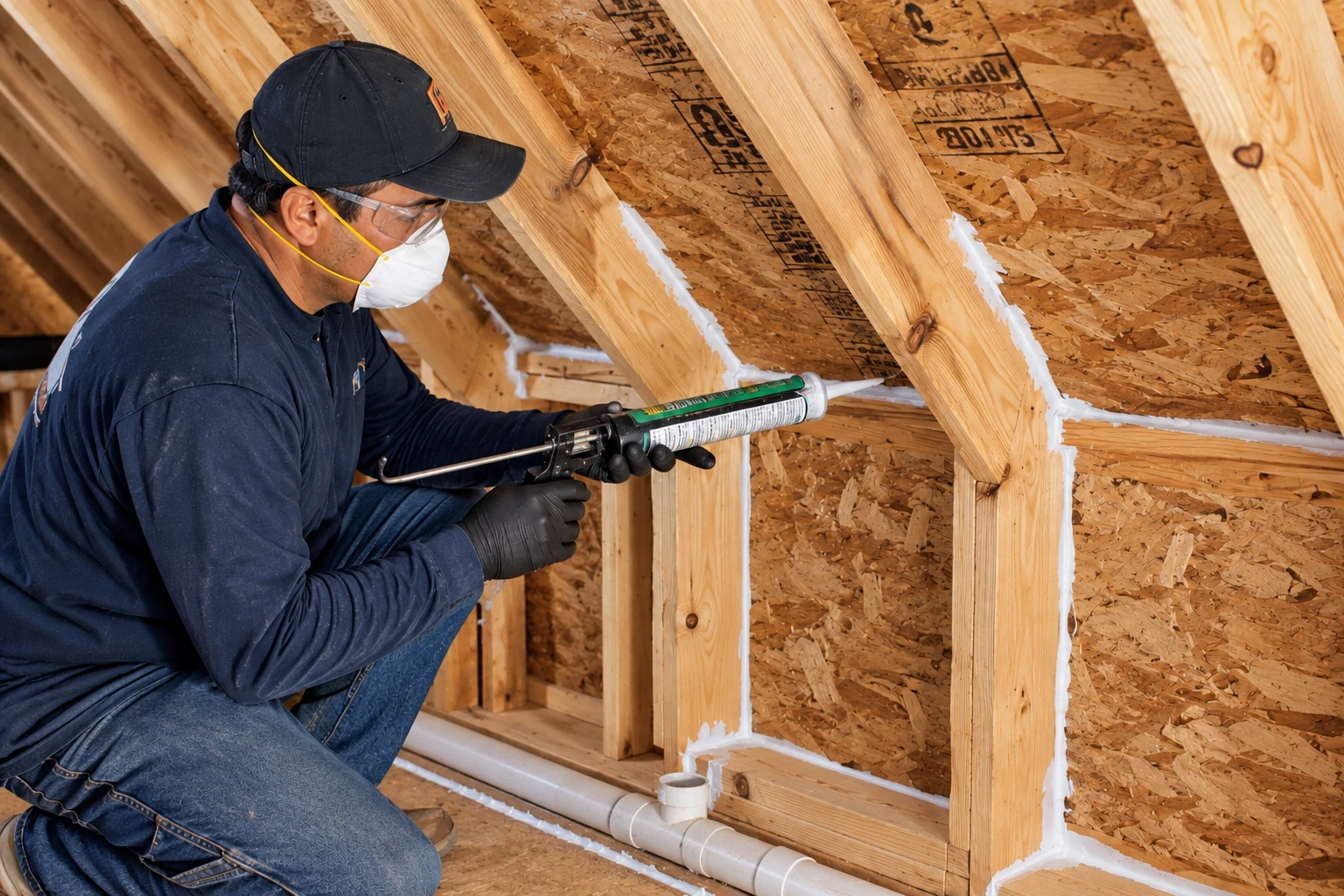
Attic air sealing in Charleston closes the gaps between your rooms and the attic, around lights, pipes, wiring and the hatch, so the air you pay to heat and cool stays in the house.
Most people call about a hot upstairs, a drafty room over the garage or a power bill that keeps going up, and they figure the attic needs more insulation. Sometimes it does, but if air is moving through the ceiling, new insulation just sits in a draft, so I look for the leaks first.
The price moves with how many gaps there are and how big they are, how easy the attic is to get around in, and whether old insulation has to be moved aside or pulled out to reach them. The schedule mostly turns on prep, because anything that has to be fixed comes before the sealing and any new insulation comes after. Your written quote spells out each step, so you can see where the money goes.
I spent years on the selling side, so I explain what I found up there and why each step matters. If your attic doesn't need much, I'll tell you that too.
Fresh material over insulation that got soaked or filled with droppings keeps the problem in your attic, so we look at what's already there before deciding what stays and what goes.
Our installers do the work, then I come back at the end to walk through it with you and answer questions. We're licensed and insured. Satisfaction guaranteed.
Sealing has to happen before new insulation goes on top, so we schedule the two jobs in that order. If the attic needs repairs first, like a fan that empties into it, you get a list from me before we start, and if you want more insulation afterward, that's retrofit insulation and it goes on once the gaps are closed.
Our crew works the spots that usually leak the most, around can lights, plumbing and wiring holes, duct boots, the flue and the attic hatch. We keep the eave vents clear while we're up there, because a buried vent stops the attic from breathing and moisture starts showing up in the framing.
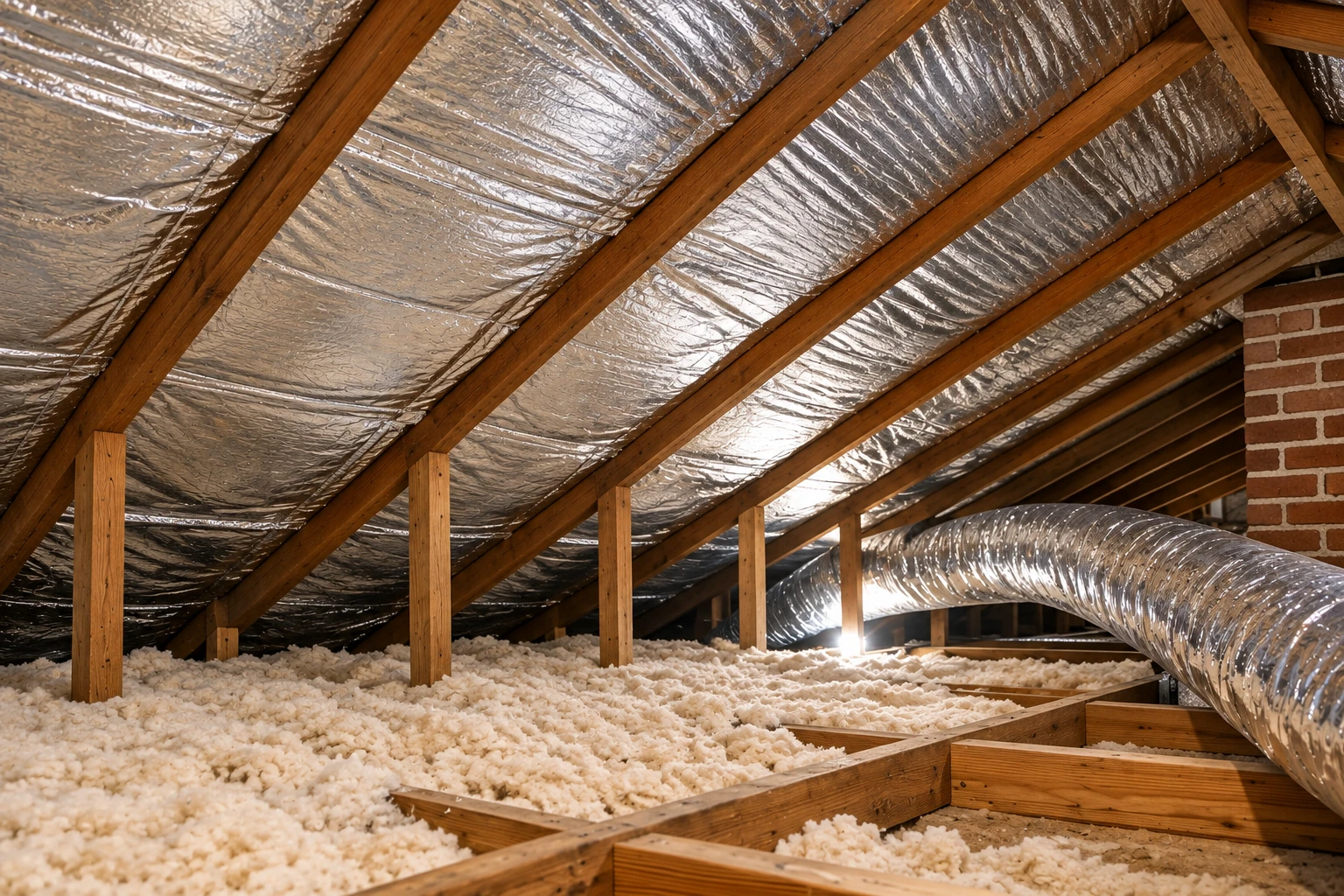
Some quotes you'll see call for foam instead. Spray foam insulation costs more and seals air while it insulates, and it's the better call when your ductwork runs through the attic. For most houses, sealing the gaps and topping up loose fill does the job for less, and that's what I'll usually recommend.
If the bedrooms under the attic never match the thermostat, air moving through gaps in the ceiling is often part of the reason, and sealing those gaps is where I'd start.
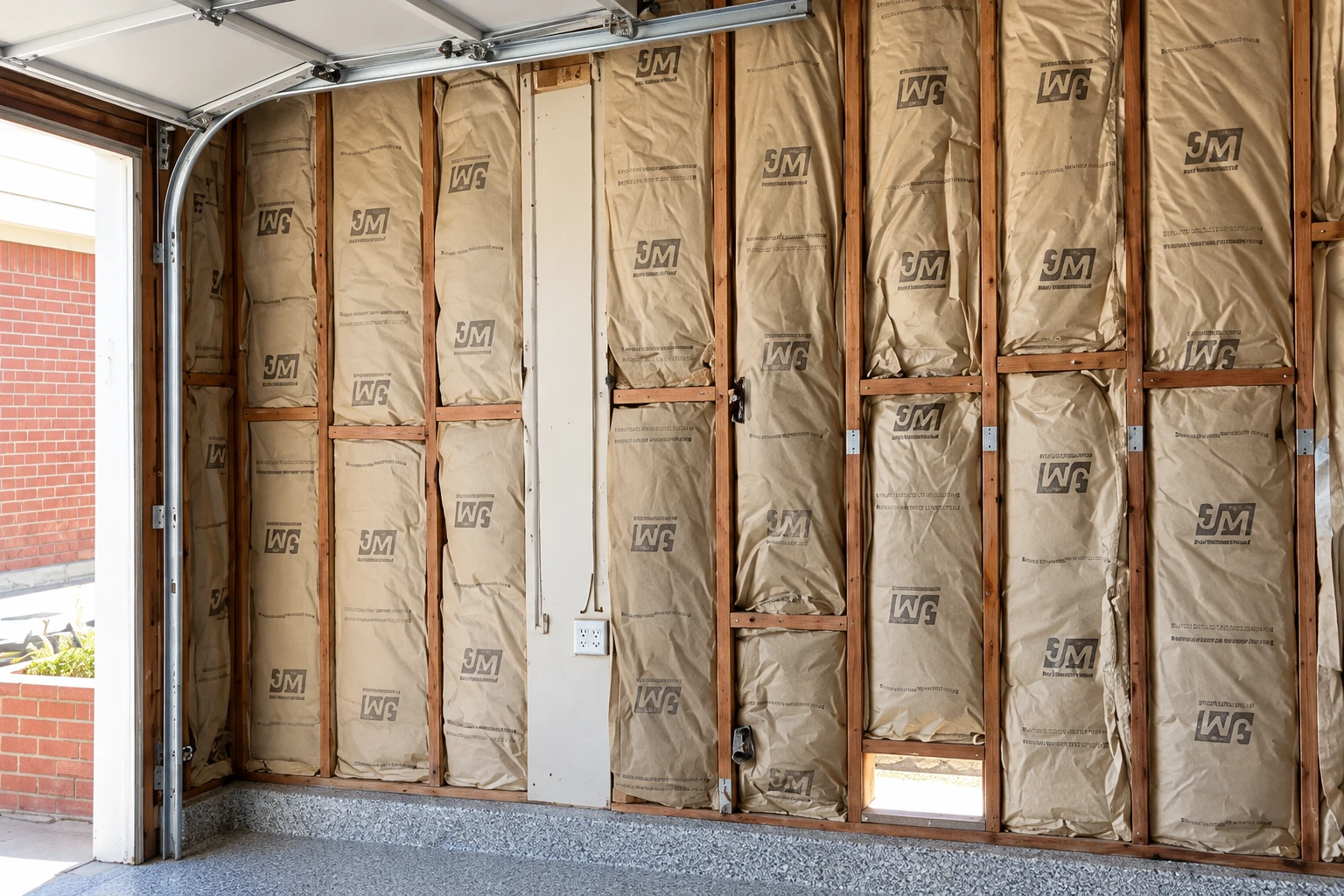
These rooms tend to have the most gaps where the walls, ceiling and garage meet, so they stay drafty and uncomfortable long after the rest of the house settles down.
Gray lines of dust around ceiling lights or vents usually mean attic air is being pulled through that opening, and sealing it keeps the attic's dust up in the attic.
If you've got two or three quotes that don't line up, I'll walk your attic and explain what each one includes, so you can pick with your own house in mind.
Send the form and we'll reply within one business day, by phone or email, whichever you used. I'll set a time to see your attic, and the estimate is free with no obligation.
I do the estimates and site visits, so the person who looks at your attic is the same one who explains the quote and comes back to check the finished job.
The written quote lists each step of the job, including any prep work that has to come first, so you can compare it line by line with other quotes.
Mention your address, and whether the attic has old knob and tube wiring, pebbly vermiculite fill, or a gas furnace or water heater that vents up a flue without a fan.
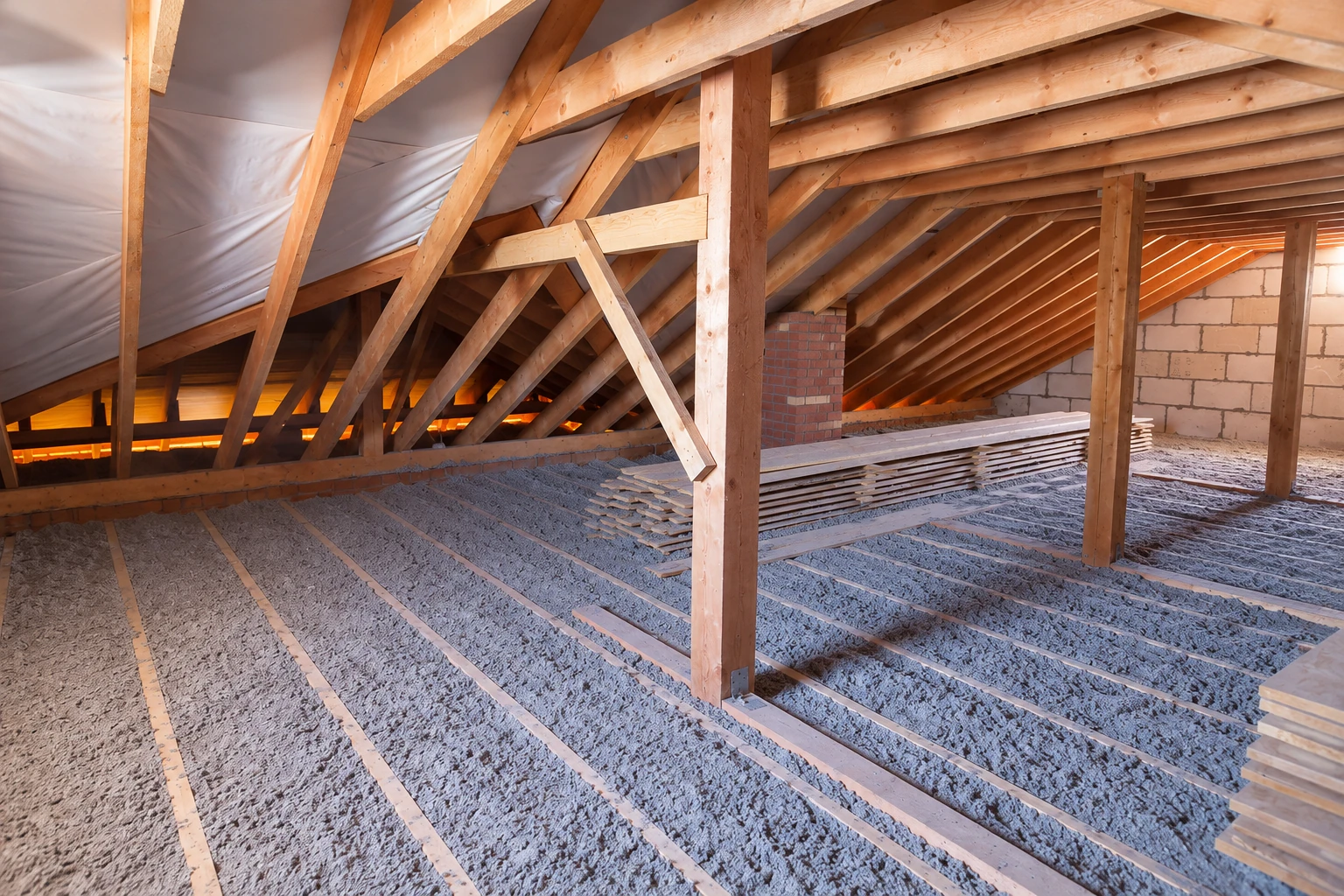
These photos show sealed light housings, boxed-in openings, foamed pipe holes and attic hatches, the kinds of details worth talking through at your estimate.
These are the questions I hear most at estimates, from what gets checked first to whether your address falls under the city or the county.
Yes. Guidance on attic work finishes the sealing before insulating to get the most energy savings, and it puts gas appliance safety and indoor air ahead of everything, then moisture and attic vents. If you're adding insulation, book the sealing first, because once fresh material is down the gaps underneath are buried and much harder to reach.
No. Batts and loose fill slow heat but don't block air, so it moves right through them. Narrow gaps get caulk, foam or aerosol sealant, and bigger openings get rigid blocking sealed in place. Ask any contractor whether your old insulation gets moved aside or removed to reach the gaps, since that changes the job.
The attic gets looked over for water leaks, moisture, pest or structural damage and enough venting at the ridge and soffits, and vent problems get fixed before sealing. A gas furnace or water heater that vents on its own draft gets a safety test for exhaust spilling back into the house, and fans that empty into the attic get rerouted outside.
Then that gets handled first, and it's an ordinary first step, not a reason to worry. Insulation only goes over live knob and tube wiring once it's replaced or properly boxed in, and work stops if the old fill is vermiculite, because it may contain asbestos. I'll put either one on your list so you can plan for it before the sealing.
A job over $500 falls under the state's contractor rules. South Carolina counts specialty trade work above that amount as residential specialty contractor work, so ask whoever you hire about their license before you sign. We're licensed and insured, and I'm glad to go over that at the estimate.
Look it up on the City of Charleston's interactive GIS map, and if your address doesn't show, the city points you to Charleston County's map. Some small pockets inside the city still belong to the county, many in James Island, West Ashley, Johns Island and Cainhoy. I check this before I quote, since it decides which office you'd deal with.
We take calls seven days a week, so call (843) 278-0544 or use the form and find out what's leaking before you buy insulation.