Cold floors in winter
Gaps and thin or missing insulation under a vented crawl space let heat slip out through the floor, which you feel in your feet and see on the power bill.
Cold floors, a musty smell under the house or a climbing power bill? We insulate the crawl space with a plan to keep it dry.
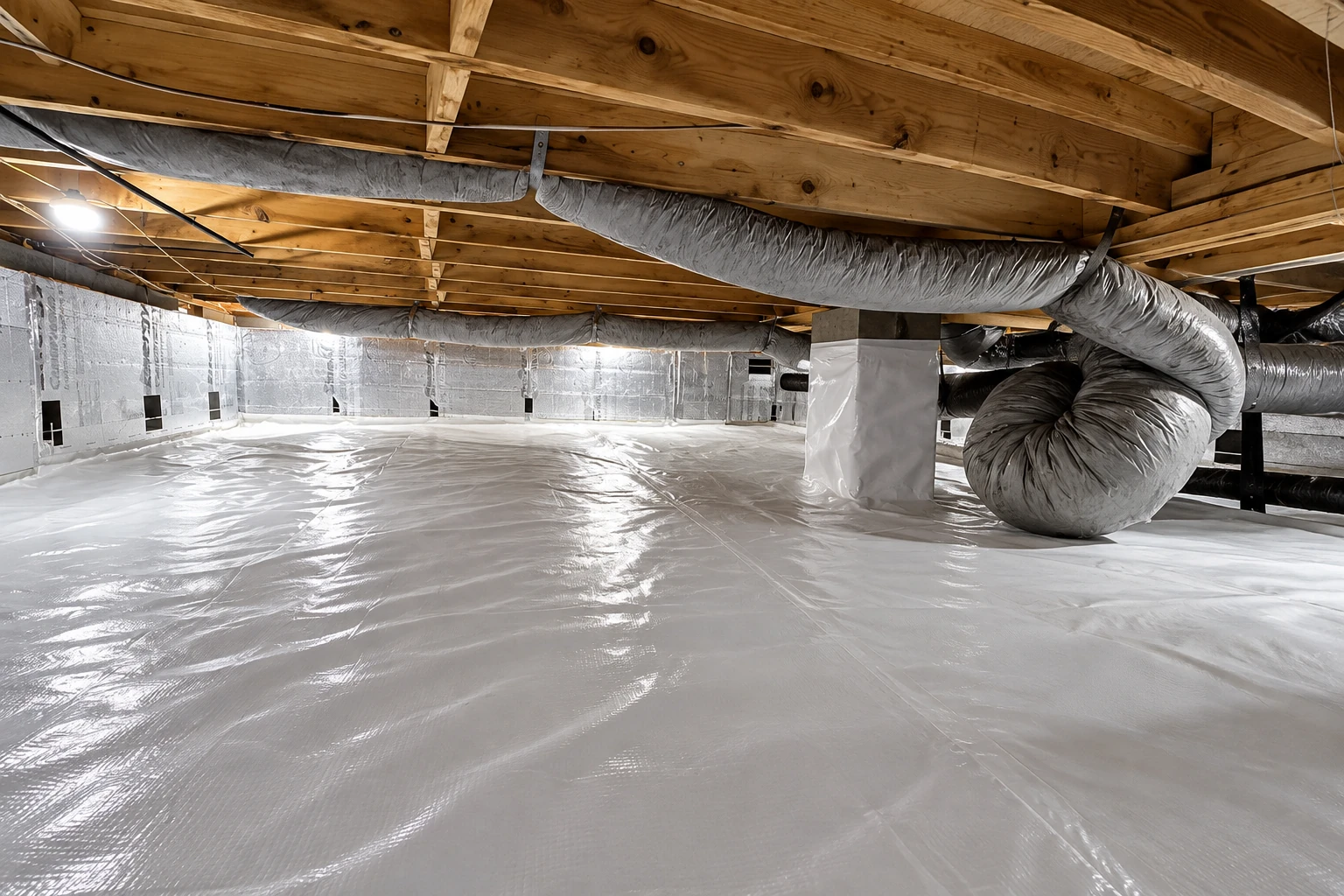
Crawl space insulation in Charleston means closing the gaps under your floor and insulating it so less heat slips out through the floor, done with a clear plan for how the space below will dry out.
A lot of people reach us with a few quotes in hand, one saying seal it up and another saying leave it vented, and no way to tell which one fits their house. The honest answer depends on what's under your floor, which is why I look before anyone prices anything.
The price moves with the size of the space, how easy it is to crawl into, any cleanup or repairs that have to come first and whether the space stays vented or gets sealed. The schedule turns on that same prep, plus a permit if your house is in the city's flood area, which we apply for and keep you posted on, and your written quote lays out every step so you can see what's driving the number.
I do the estimate myself, our installers do the work, and I come back at the end to look it over with you, so the person who explained the job answers for it.
Your written quote shows every step of the job, including any prep that has to come first, which helps when you're holding a few quotes and can't tell them apart.
South Carolina counts insulation installers doing jobs over $500 for a homeowner as residential specialty contractors, so it's fair to ask anyone you hire about that. We're licensed and insured.
I go under the house myself before we suggest anything, and I'm looking at three things: where the moisture is coming from, how easy the space is to get into and work in, and whether there's a furnace, water heater or other gas equipment down there. Those answers decide whether your crawl space should stay vented or be sealed, and I'd rather tell you a vented space with a few fixes is fine than talk you into a sealing job you don't need.
If sealing makes sense, the plan for how the space will dry out is part of the quote, because closing a crawl space off with no way to dry can cause new trouble. Before insulation goes up, we close the gaps around pipes, wires and the edges of the floor framing, the same kind of work as our air sealing services elsewhere in the house, so the insulation isn't fighting a draft.
We'll also talk through how the finished job leaves room to check for termites, since one energy guide keeps an inspection gap between the top of the insulation and the wood so termites can be spotted. If the chill is coming through the walls too, wall insulation is something I can look at on the same visit.
Gaps and thin or missing insulation under a vented crawl space let heat slip out through the floor, which you feel in your feet and see on the power bill.
A musty smell inside often starts below the floor, and insulating over a moisture problem only hides it, so finding the source is part of the plan.
Old insulation hanging down or lying on the ground isn't doing anything for your floor, and if it got soaked or has droppings in it, it comes out before new goes in.
Gas equipment under the house changes what's safe to do with the vents, so it's one of the first things I check, and it shapes the whole plan.
Send the form and we'll reply within one business day, by phone or email, whichever you used. I'll come out, go under the house and give you a free written quote with no obligation.
Tell us your flood zone if you know it, since that settles early on whether the city's flood area permit applies to your job.
Let us know where the access door or hatch is and roughly how much room there is to crawl, since tight access changes both the work and the price.
A gas furnace, water heater or other fuel-burning equipment under the house affects whether sealing is safe, so it helps to know about it before I come out.
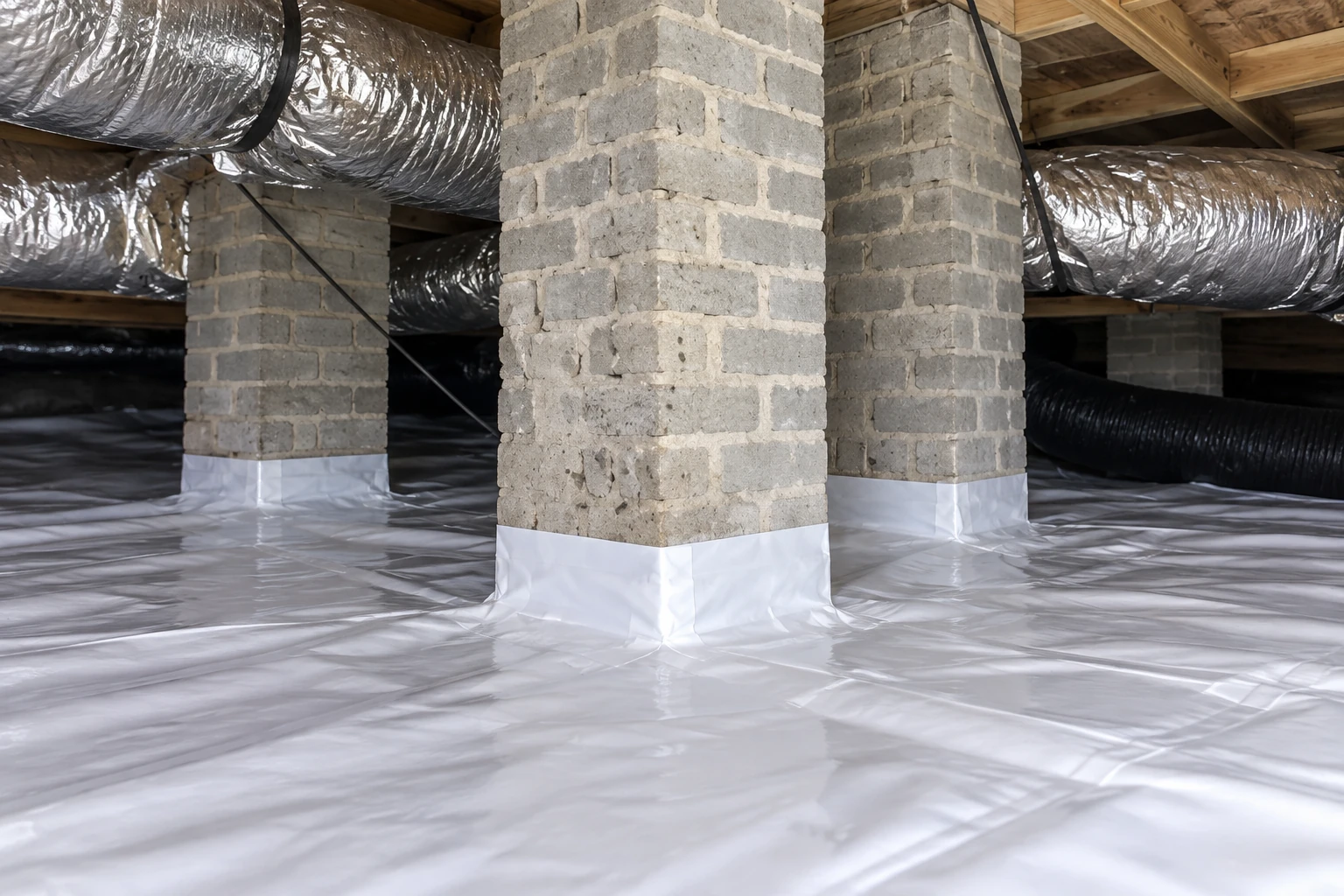
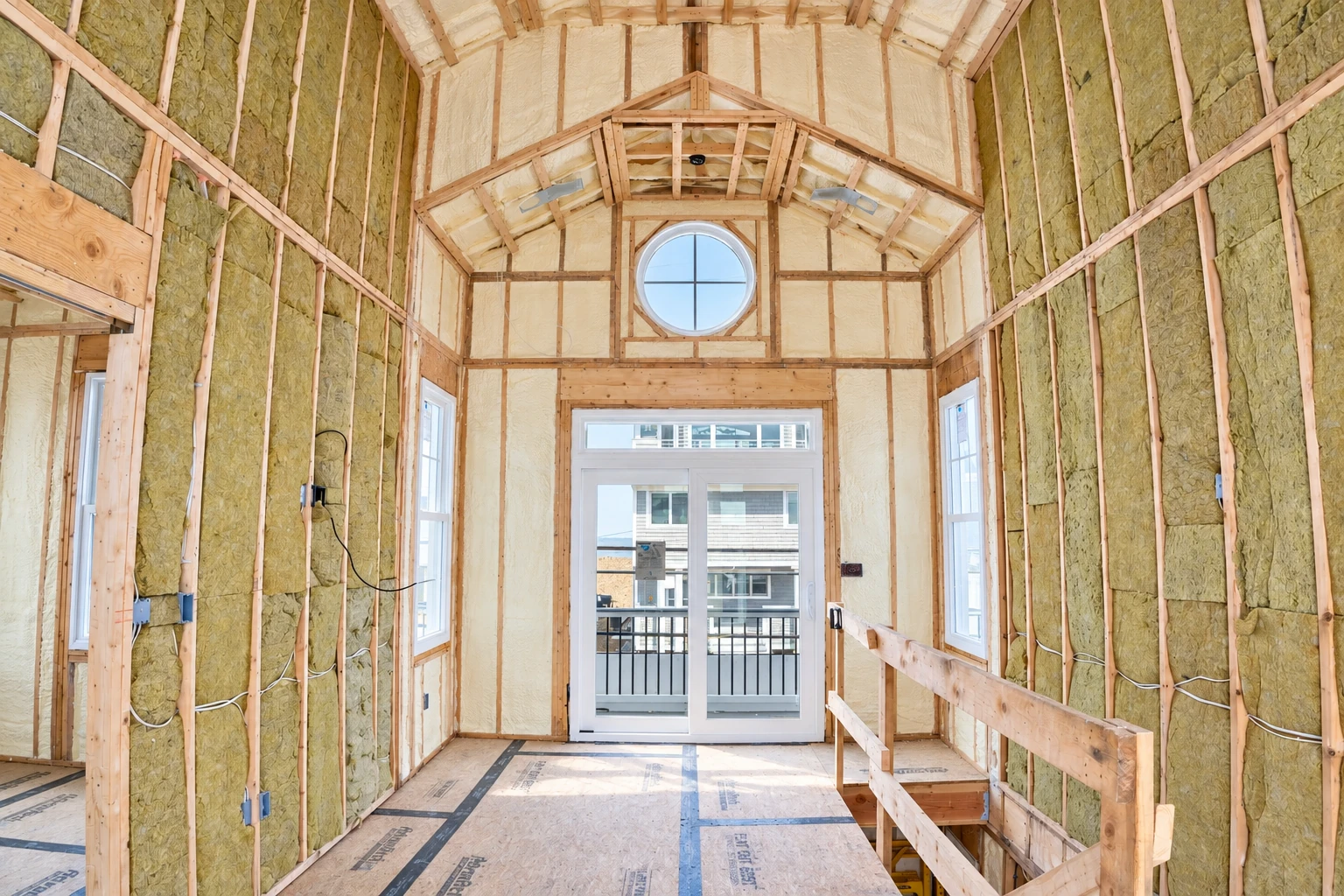
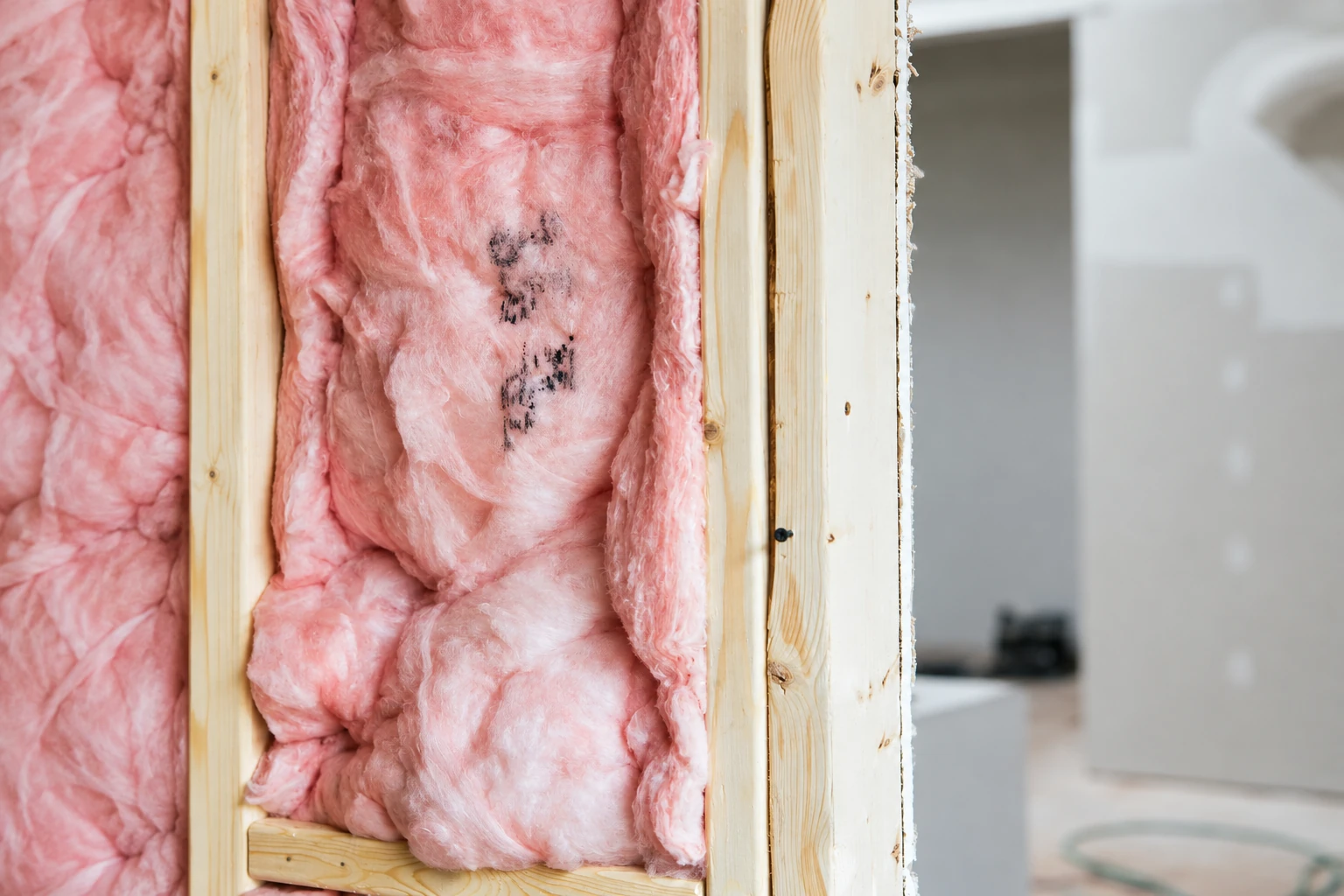
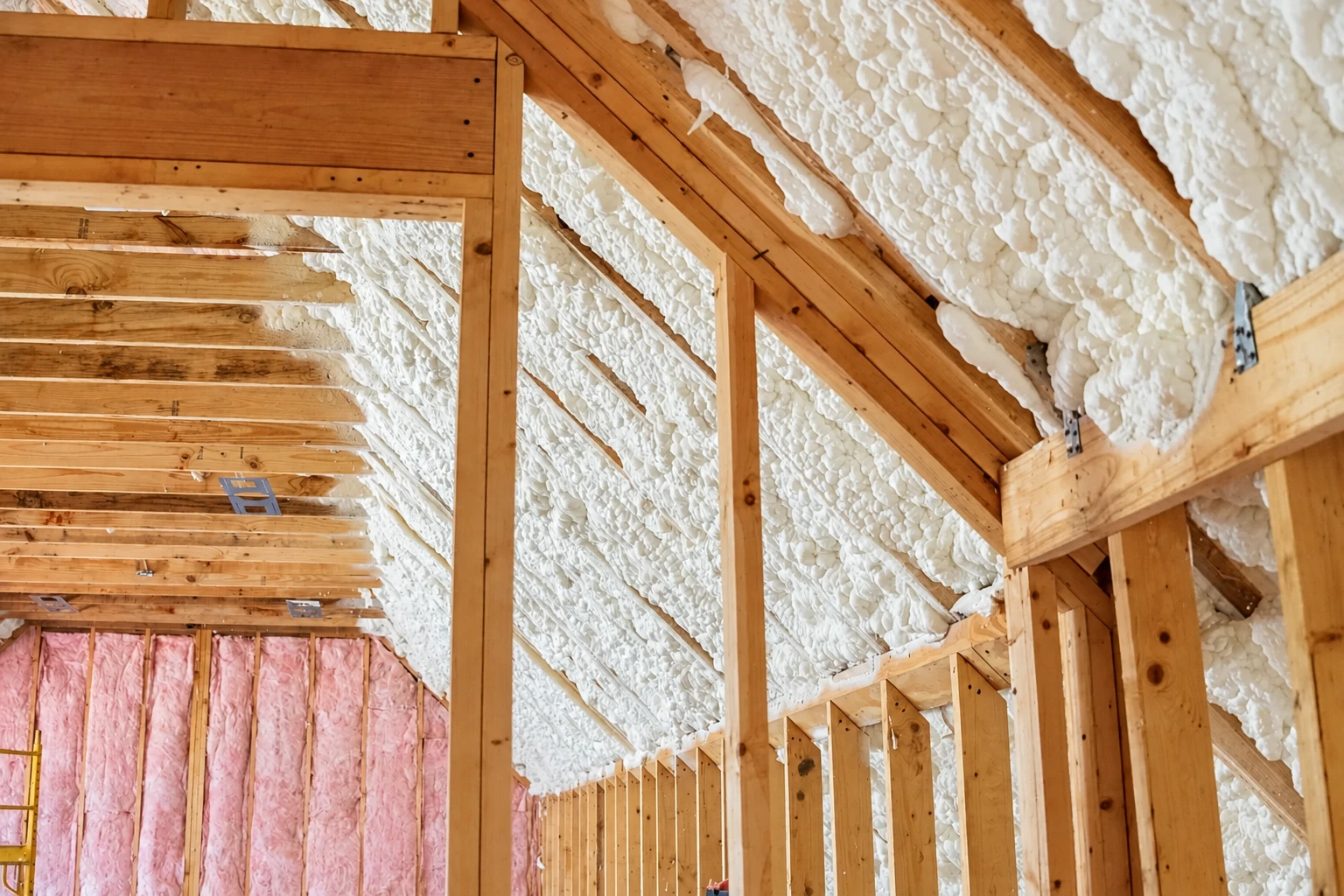
These photos show common crawl space setups, from batts between floor joists to foam on foundation walls, to help you picture what we'll discuss.
Straight answers to what Charleston homeowners ask before they insulate under the floor, from vents and safety to permits and price.
Not always. In a humid climate like ours, vented crawl spaces tend to get damper, not drier, because the moisture in the outside air condenses on the cooler wood under your floor and can lead to mold and rot. Whether yours should stay vented or be sealed depends on what we find under the house.
No, not on its own. Shutting the vents without dealing with the rest of the space can trap even more moisture, and if a naturally vented furnace or water heater sits down there, closing it up can create a deadly situation. That's why the whole space gets looked at before anything is closed.
Usually with a small amount of conditioned air from your heating and cooling system, which is one of the most effective ways to do it. Every crawl space needs some way to dry out, and feeding it house air treats it as part of the home, so your system has to be part of the plan from the start.
Yes, if your house sits in the city's flood area. The City of Charleston requires a permit for all work in its Special Flood Hazard Area, which takes in AE, Coastal A and VE zones but not X zones. The county calls hurricane storm surge the area's biggest flood threat. We check your address before quoting and handle the application if one's needed.
Crawl space insulation in Charleston usually costs about $1,400 to $6,300 per job. Where yours lands depends on the size of the space, how hard it is to reach, any cleanup or repairs that come first and whether it stays vented or gets sealed, which is why we price it only after a look underneath.
Often, yes. Some foam insulations can give off toxic or flammable gases when heated, so most codes call for a covering such as drywall over the foam. Some foam products are designed and tested to lower that risk, and local authorities decide what meets code, so the product and its covering get settled before work starts.
Call (843) 278-0544 any day from 7 AM to 10 PM or send the form, and find out what's really going on under your floor.