
Spray foam insulation
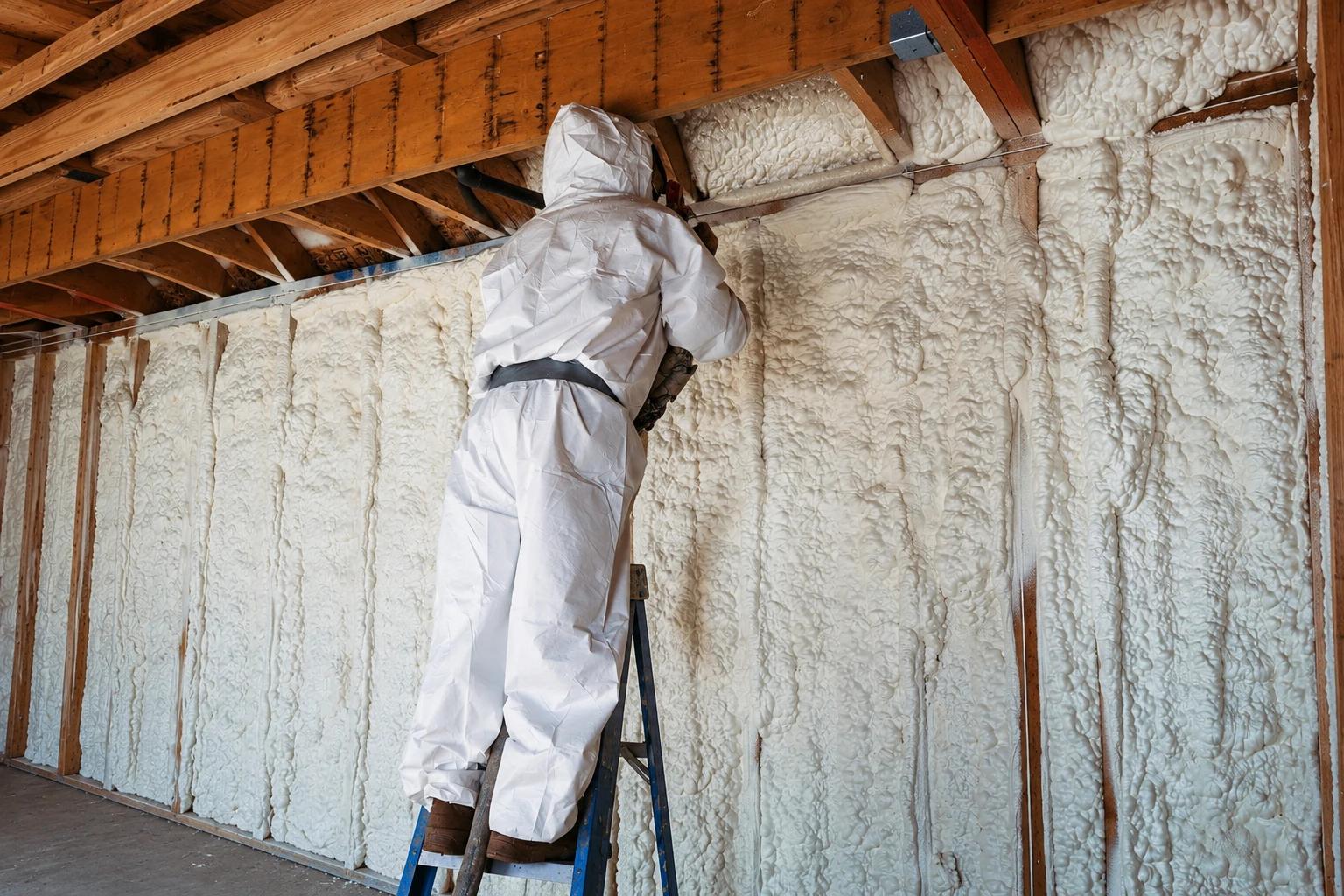
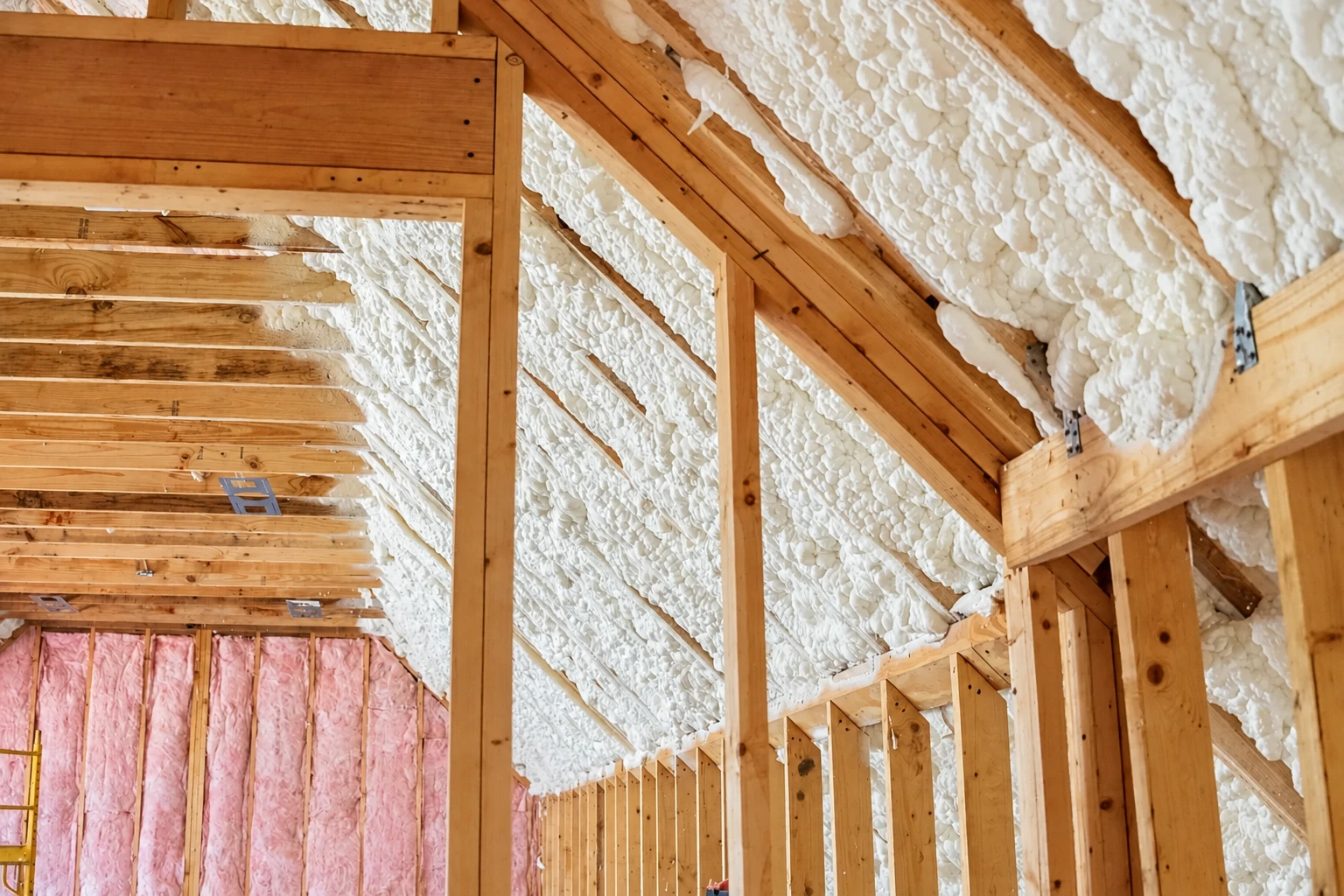
Spray foam seals air and insulates in the same pass, so it costs more than loose fill. Sealing the gaps and topping up usually wins, unless your ductwork lives in the attic, where foam is worth the extra.
Trueseal Charleston Insulation Company is an insulation contractor working in Ladson, SC. We insulate attics, walls and crawl spaces, and we track down the hot upstairs rooms and cold floors that usually prompt the call.
Ladson sits where Berkeley, Charleston and Dorchester counties meet, so before I quote a job here I check which county office your address falls under. That office decides who you'd be dealing with if the work needs a permit. Charleston County lets you search and apply for permits on its website, and Dorchester County runs its own permit portal.
Ladson borders Sangaree to the northwest, Summerville to the southwest, North Charleston to the south and Goose Creek to the east. We're an insulation contractor based in Charleston, SC, and we work all of them. The calls sound alike across that whole stretch, whether it's a hot room over the garage, an upstairs that never feels right or a power bill that keeps climbing. Your price comes down to how many inches are already up there, whether old insulation that's wet or full of droppings has to come out first, how many gaps need sealing and whether foam makes sense. The schedule turns on that same prep and on a permit, if one applies. The estimate ends with a written quote that shows every step, prep included, so you can set it beside the other quotes you have.
When your job needs a permit, we handle the application and keep you posted on where it stands, so you aren't the one chasing a county office between everything else.
South Carolina requires residential specialty contractors to hold a state license or registration on all but very small jobs. We're licensed and insured, and you should ask every company quoting you for the same.
I do the estimate and site visit myself. Our installers do the work, and I come back at the end to look it over with you, so the person who explained the job answers for it.
Spray foam seals air and insulates in the same pass, so it costs more than loose fill. Sealing the gaps and topping up usually wins, unless your ductwork lives in the attic, where foam is worth the extra.
We start by measuring the inches already up there and checking the old material. Then we build coverage that's as deep at the edges as in the middle, since thin edges are where most attics come up short.
Blown-in insulation is loose fill blown through a hose, and it's the usual way to top up an attic. We keep it back from the eave vents so the attic keeps breathing and moisture doesn't build up in the framing.
If you can't tell where the house is losing heat or cool air, I walk it with you from the attic down to the crawl space. The quote breaks it out area by area, so you can do the part that matters most first.
When old insulation is soaked or full of droppings, putting new material on top just buries the problem. We bag the old stuff, clean the attic out and only then put fresh insulation down.
Cold floors usually trace back to the crawl space. We check what's down there, pull out any insulation that's wet or sagging from the joists and fasten new material so it stays in place.
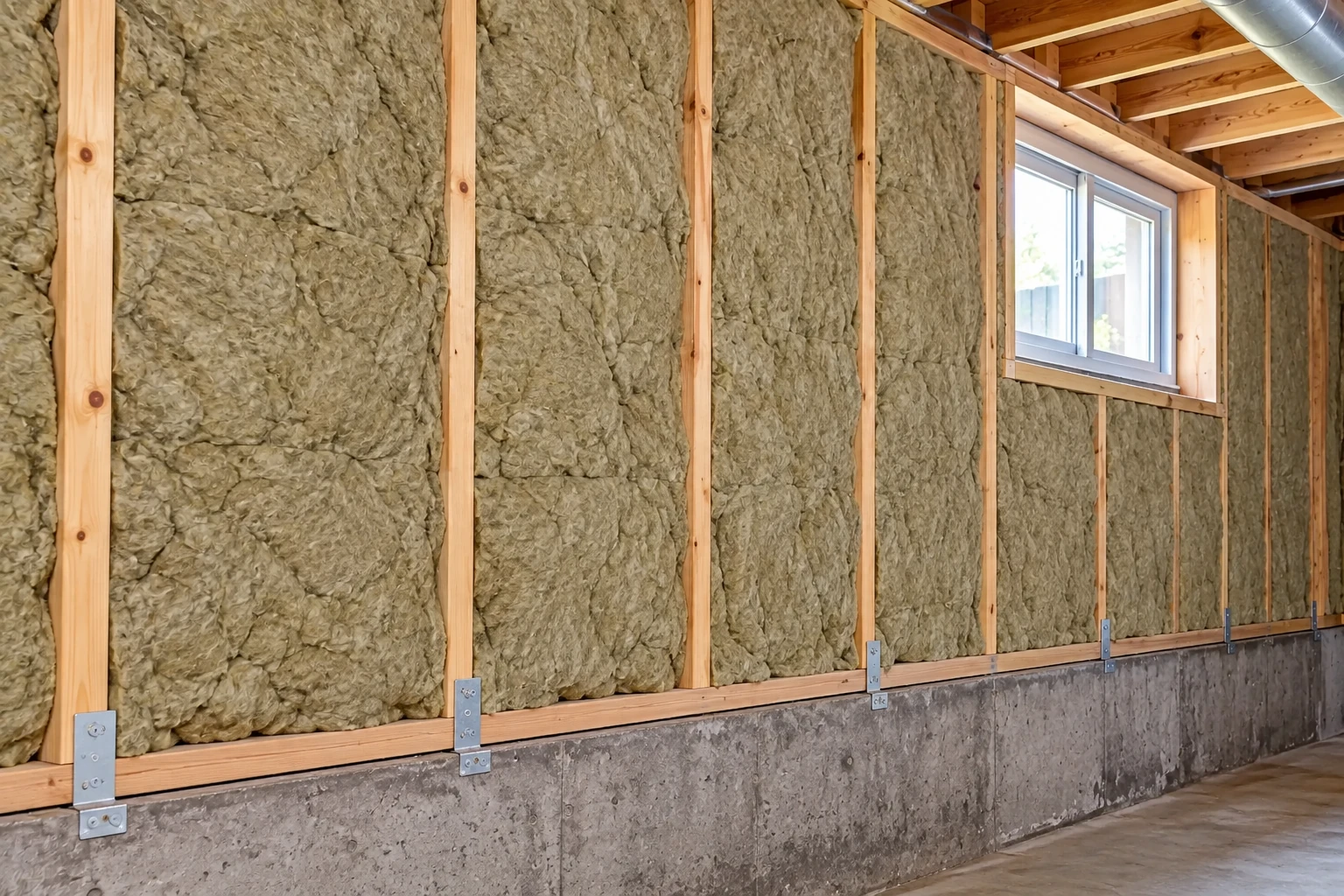
When your walls are open during a remodel, we fit insulation between the studs before the drywall goes up, because that's the cheapest chance you'll get to fill them properly.
Air sealing means closing the gaps before insulation goes in, around doors, windows, outlets and the wall between your garage and the house. A drafty room usually needs this before it needs more inches.
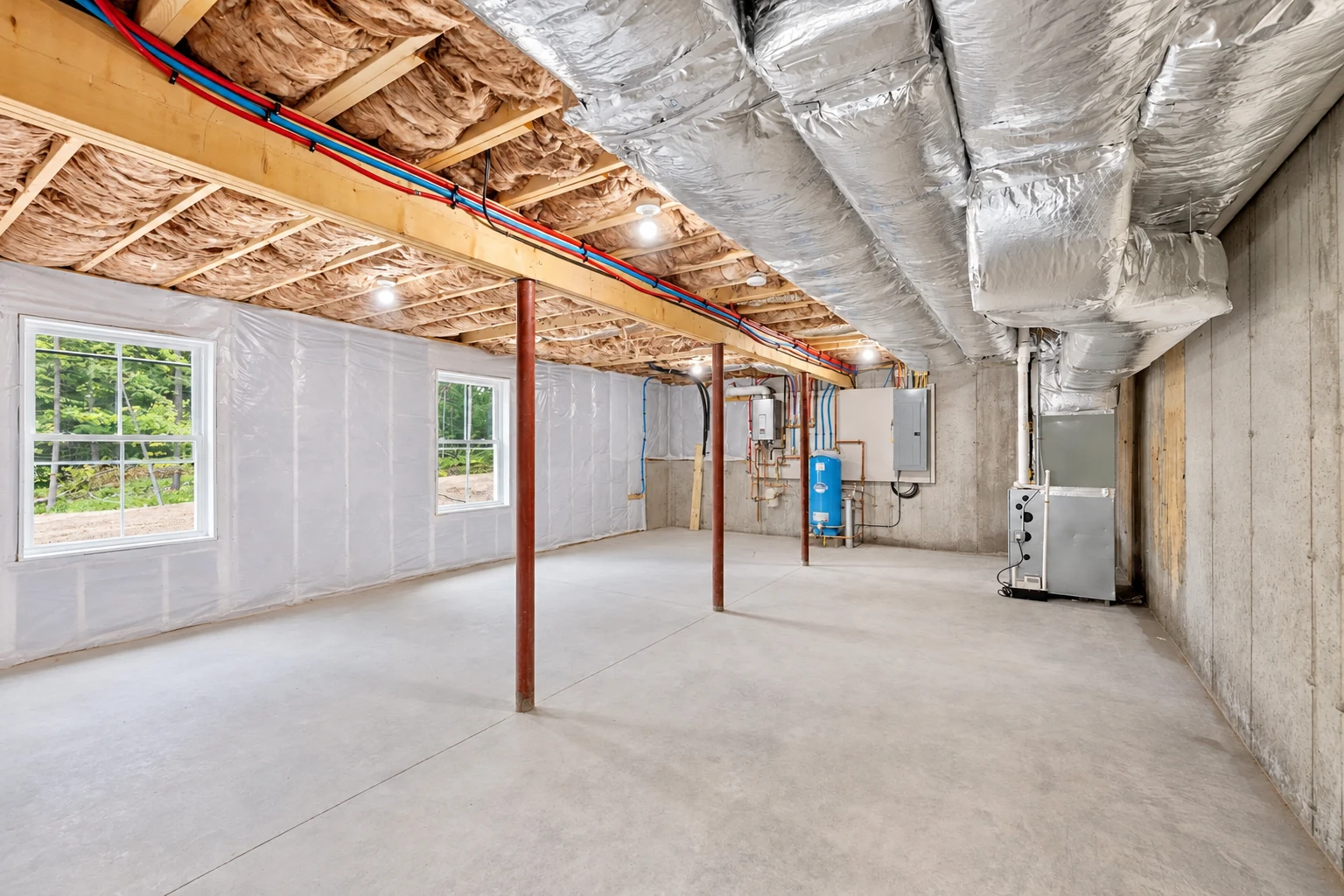
Where your house has a basement or a below-grade room, we insulate the walls and the rim joist, the band of framing that sits on the foundation, with a material that tolerates damp.
Closed-cell foam is dense foam that blocks moisture as well as air, so it suits crawl space walls and rim joists. It costs more than open-cell, so we use it where blocking moisture is worth the money.
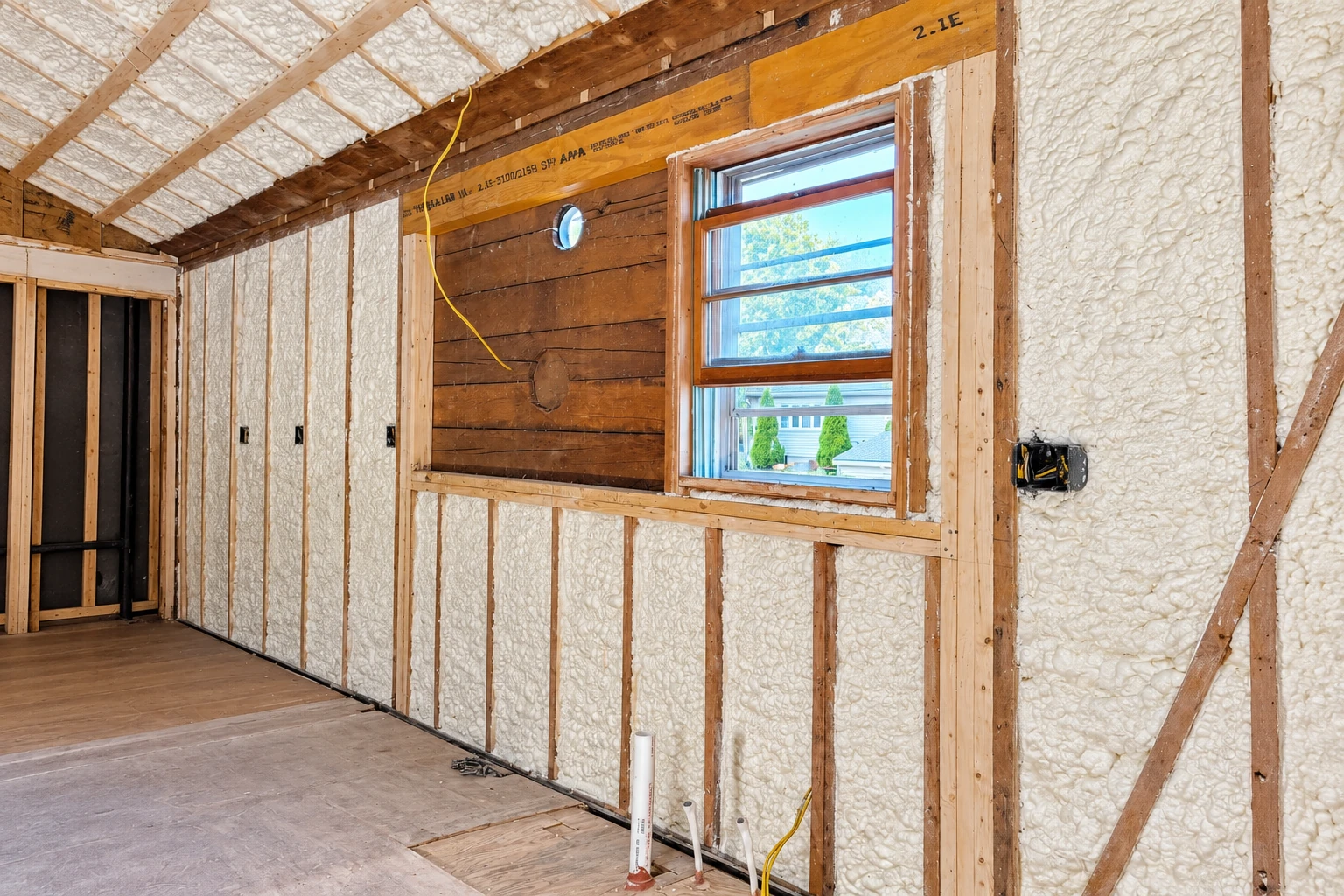
Open-cell foam is lighter and softer, and it fills awkward rooflines like the one over the garage room. It costs less than closed-cell but lets moisture through, so we keep it where that isn't a worry.
We insulate offices, shops and small commercial buildings too. I'll walk the space with you, and we'll work out timing that keeps your doors open while our crew is up in the ceiling.
A crawl space vapor barrier is a heavy plastic sheet laid over the dirt to keep ground moisture out of your floor framing. We overlap and tape the seams and run it up the walls so it doesn't shift.
Elsewhere in the house, a vapor barrier has to sit on the side of the wall or ceiling where it stops moisture instead of trapping it. I'll explain which side your house needs before we put it in.
Before an attic gets topped up, we seal around can lights, plumbing pipes, wiring holes and the hatch, because loose fill alone won't stop air pouring through a gap. It's the step most often left out.
Retrofit work adds insulation to a finished house without tearing it apart. We go in through the attic, the crawl space or small holes drilled in the walls, and the quote spells out any patching.
Send the form and we'll reply within one business day, by phone or email, whichever you used. Then I'll come out for a free estimate with no obligation and go through the attic and crawl space with you.
A lot of people call us holding a few quotes they can't tell apart. I'll go through what each one covers, especially prep work and gap sealing, so you're comparing like with like.
If your attic already has plenty in it and only needs a few gaps sealed, I'll tell you that. I'd rather lose the sale than sell you work your house won't use.
Our work is satisfaction guaranteed. At the final look-over I show you what we installed and where, so you understand your own house when we leave, not just that the job got done.
These are the questions about permits, doing it yourself, leaving the house for foam and flood zones that Ladson homeowners usually ask me.
A remodel in the Charleston County part of Ladson goes through the county's building inspection office, but neither county's permit list names insulation on its own, which is why the address check comes first. Charleston County holds the current homeowner liable for fines on unpermitted work and for demolition or a retroactive permit. Dorchester County's examples include additions to an existing house.
State law exempts certain improvements to residential property from permit and licensing requirements when the owner does the work. The exempted list covers building, electrical, gas, mechanical and plumbing categories, so check that your project is on it before you start. If you ask me, I'll tell you honestly whether it's a job you could handle yourself.
Yes. With spray foam, you, the kids and the pets stay out until the re-entry time passes, which is the wait before it's safe to come back inside. I'll give you that time for the foam we're using before we start, so you can plan around it. Blown-in and sealing work usually doesn't send anyone out of the house.
Type your address into the state's Floodplain Map Viewer on the IMPACT site, which shows the flood zone by address. Each participating community also keeps a paper copy of its flood maps in the local floodplain manager's office. It's worth knowing before crawl space work, because I'd choose what goes under your floor differently if water can reach it.
These are the cities with their own page on our site. We work in plenty of others around Charleston too, so if yours isn't listed, call or send the form and ask.
We take calls from 7 AM to 10 PM every day, so call (843) 278-0544 after work or send the form whenever it suits you.