Fixing a hot, drafty upstairs
When the upstairs runs hot and the power bill keeps climbing, the attic is usually thin, uneven or full of gaps. Sealing those gaps and topping up evenly is often all it takes.
Discuss your projectTrueseal Charleston Insulation Company insulates attics and seals drafty gaps for homes in Charleston and nearby cities like Mount Pleasant and Summerville. We also put vapor barriers in crawl spaces under houses that sit on low, damp ground.
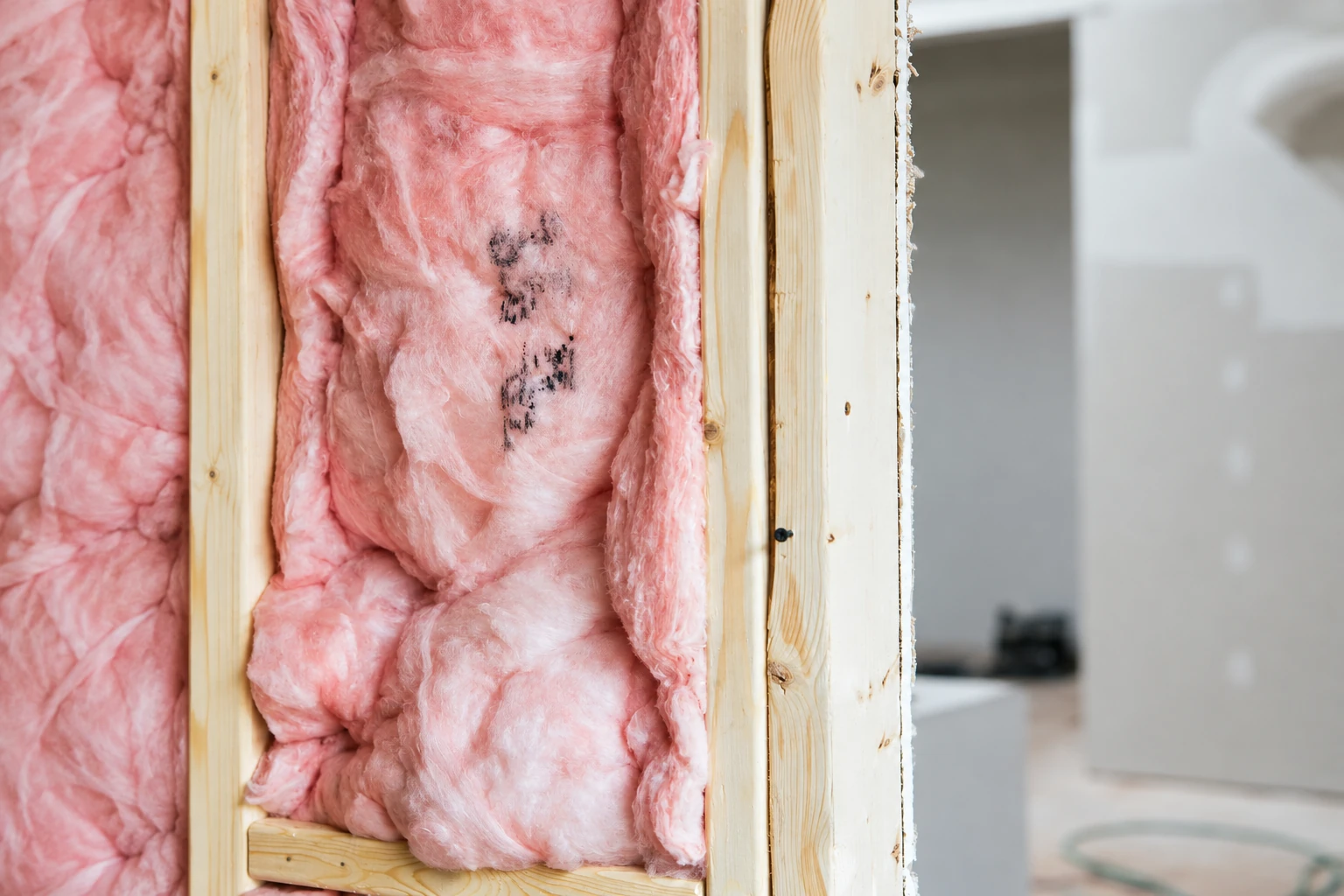
Most calls come down to a house that won't stay comfortable or a space you'd like to use more, and both start with a look at what's up there now.
When the upstairs runs hot and the power bill keeps climbing, the attic is usually thin, uneven or full of gaps. Sealing those gaps and topping up evenly is often all it takes.
Discuss your projectThe room over the garage is often the worst in the house, with exposed sides and little insulation. Insulating its walls, floor and the attic around it can turn it into a room you actually use.
Discuss your projectI do every estimate in person and walk you through what's in your attic or crawl space, so you understand what your house needs and why before you decide anything.
Your written quote lists each step in the order it happens, prep work included, so you can line it up against other bids and see exactly where they differ.
I spent years on the selling side and know the pressure tricks, so you won't get them here. If a job isn't worth doing, I'll say so. Call (843) 278-0544 to set up a visit.
Trueseal Charleston Insulation Company is an insulation contractor in Charleston, SC, and most of what we fix comes down to a hot upstairs, drafts, cold floors and a power bill that climbs every summer. We offer 16 services, from topping up an attic to sealing a crawl space. The price mostly turns on how much of the house we're covering, how many inches are already up there, whether old material has to come out first and whether you choose foam or loose fill. The schedule turns on that same prep work and on any permit your address needs. Your free written quote lays out each step in order, so you can see both.
Spray foam seals air while it insulates, so it suits attics where the ductwork runs, rooms over the garage and awkward framing. It costs more than loose fill, and I'll tell you plainly when your house doesn't need it.
Most of our calls start here. We measure how many inches are already up there and check what shape it's in, then seal the gaps and bring coverage up evenly, edges included, not just the middle.
Blown-in is loose fill blown through a hose, and it's the usual way to top up an existing attic. We keep the eave vents clear so the attic still breathes once the new layer is in.
For when the whole house feels off, drafty in one room and hot in another. We look at the attic, walls and crawl space together and put the work in the order that helps most first.
Old insulation that got soaked, packed down or full of droppings has to come out before anything new goes in, or the problem stays. We bag it, clean the space and seal gaps before reinsulating.
Cold floors in winter usually trace back to the crawl space. We check for moisture first, since insulation under a damp house won't hold up, then insulate the floor above or the walls around it.
Exterior walls in older houses are often empty or thinly filled. We can fill them through small holes from inside or outside that get patched afterward, so nobody has to tear out drywall or siding.
We close the gaps around can lights, pipes, wiring and the attic hatch so air stops moving between your rooms and the attic. It comes first on most jobs, because insulation over a draft doesn't do much.
Not many houses around here have one, but where there's a basement or a below-grade room, we insulate the walls with materials that handle damp, so the space stays dry enough to use.
Closed-cell foam is dense foam that also blocks moisture, which makes it a fit for crawl spaces, rim joists and spots that see damp air. It's the costlier foam, so we use it where moisture is the real issue.
Open-cell foam is lighter and softer, and it's common under the roof deck when ductwork lives in the attic. It also quiets sound between rooms, and we'll compare it with closed-cell at your estimate.
We insulate and seal offices, shops and small commercial buildings, scheduling around your open hours so customers and staff aren't working around us. Metal buildings and rooms over loading areas are common calls.
A vapor barrier is a heavy plastic sheet laid over the crawl space dirt and up the walls to keep ground moisture out of the framing. It matters most on low, damp ground, and plenty of Charleston is low.
Beyond crawl spaces, we put vapor barriers in walls, garages and below-grade rooms that need them. Which side of the wall it goes on matters in a humid climate, so I explain the placement before we start.
This is air sealing done in the attic alone, often right before a top-up. We pull back the old insulation at the trouble spots, seal the tops of the walls, can lights and hatch, then lay it back.
Retrofit means adding insulation to a finished house, usually an older one. We work through the attic, the crawl space and small wall openings, so you don't have to open up rooms to get it done.
I got into insulation quoting jobs for another company, then went up into the attics because I wanted to know the work I was selling. I started Trueseal in 2023 so the person who explains your job is the same one who answers for it.
I do the estimates and site visits myself, and our installers do the work. What I care about most is that you understand your own house when we leave, not just that the job got done. You can read more about us and how we work.
We're licensed and insured, and satisfaction guaranteed is our promise. Feel free to ask about our coverage at the estimate, and ask the same of anyone else you're getting bids from.
When our installers finish, I come back and look the job over with you, so nothing gets lost between what I quoted and what the crew actually did in your house.
We check whether your address falls under a city or county office before quoting, since that decides who you'd deal with. If the work needs a permit, we file it and keep you posted.
Send the form and we'll reply within one business day, by phone or email, whichever you used. I'll set a time to come out, look at your house and give you a written quote, free and with no obligation.
A hot upstairs, cold floors or a jump in the power bill all tell me where to look first, so mention whatever's bothering you in the form.
If you know roughly when the house was built or last insulated, include it. Older houses sometimes have vermiculite or old wiring up top, which is just an ordinary first step we plan around.
At the visit I'll need to reach the attic hatch and the crawl space door, so moving boxes out of the way ahead of time keeps the visit short.
These photos show common insulation materials and attic layouts, so you can point to what you have in mind when we talk through your house.
These are the questions homeowners ask us most, from foam versus loose fill to permits, licenses and flood zones in Charleston.
Usually not, unless your ductwork runs through the attic. Foam costs more and seals air while it insulates, but sealing the gaps and topping up loose fill gets most attics where they need to be. When the ducts live up there, foam under the roof deck keeps them out of the heat, and then it's often worth paying for.
Only if the old material is wet, moldy, packed flat or full of droppings. Dry, clean insulation can stay, and we add to it. Putting new material over damaged material just buries the problem, so I'll show you what's up there, and if removal is needed you'll see it as its own step on the quote.
For blown-in insulation and air sealing, most people stay home and just keep kids and pets out of the work area. Spray foam is different. You'll be out until the re-entry time passes, which is the wait before it's safe to come back inside, and I'll go over that wait for your product at the estimate.
It depends on the job and the address, so we check before we quote. The City of Charleston's residential permit list names work like roofs, fences and decks, and it doesn't settle insulation either way. Whether your house falls under the city or the county decides who we'd ask, and if a permit is needed, we handle the application.
You can look it up on the interactive GIS map on the city's Permit Center page. If your address doesn't show up there, the city points you to other GIS services, such as Charleston County's. It matters for your job because it decides which office you'd be dealing with on any permit.
Contractors working inside Charleston city limits need a City business license, even if they don't have an office in the city. State law adds its own licensing for residential builders and specialty trades once a job passes set dollar amounts, and commercial work over $10,000 in the regulated classifications needs a General or Mechanical Contractor's license. Ask any contractor you're comparing which ones apply to them.
Zones AE and VE are the city's high hazard flood zones, while X and X Shaded sit outside the regulated flood hazard area at low and moderate risk. Even so, the city notes that about a quarter of flood insurance claims come from those lower-risk areas, so I look closely at moisture under any house, whatever its zone.
Call (843) 278-0544 or use our contact form, and I'll come see what your house needs before you spend anything.