
Soaked by a roof leak
Insulation that got wet usually mats down and holds dampness against the framing. Covering it with fresh fill keeps that moisture in place, so once the leak is fixed, the wet material should come out.
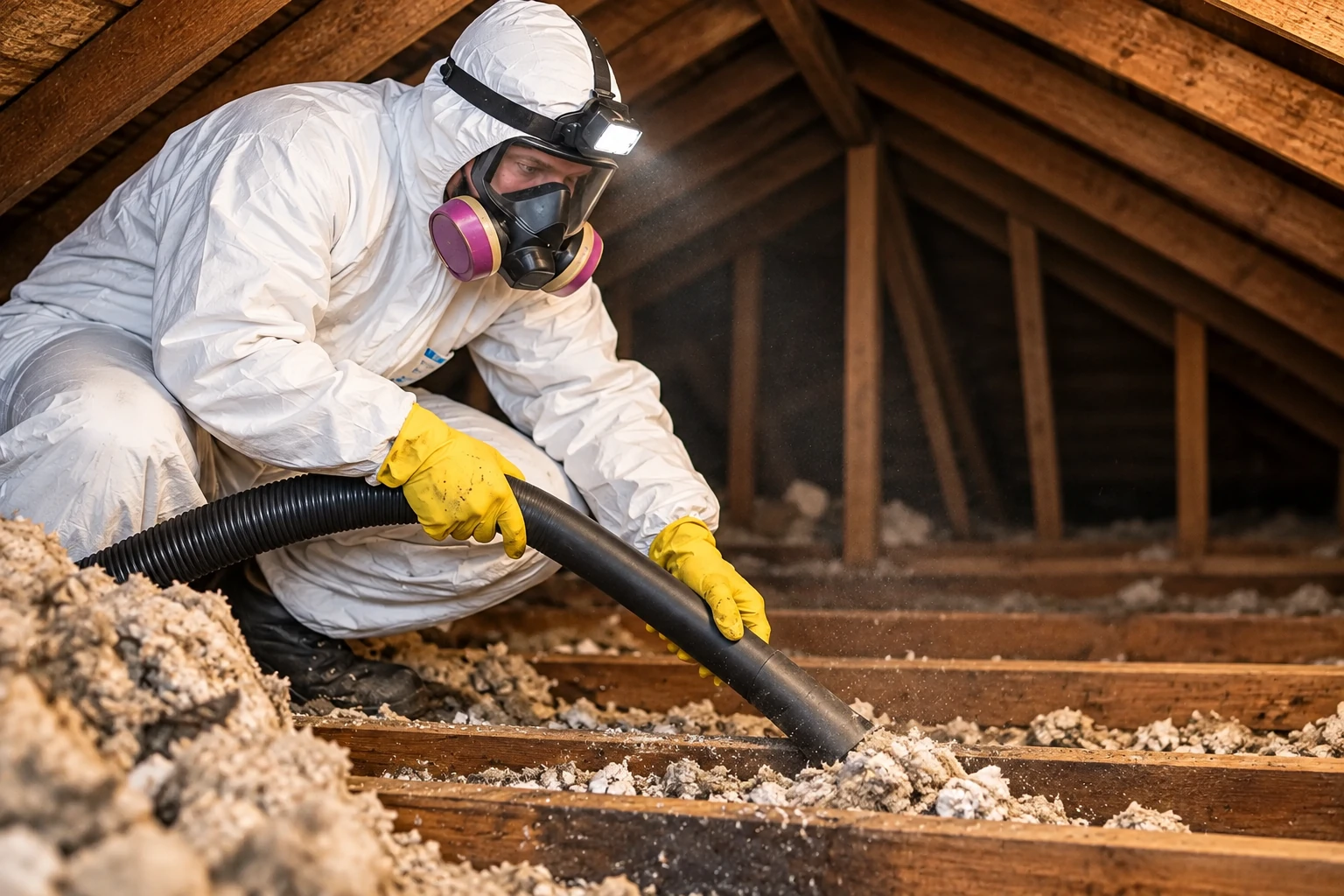
Old attic insulation that's soaked, full of droppings or packed down thin comes out, so the space can be sealed and refilled properly.
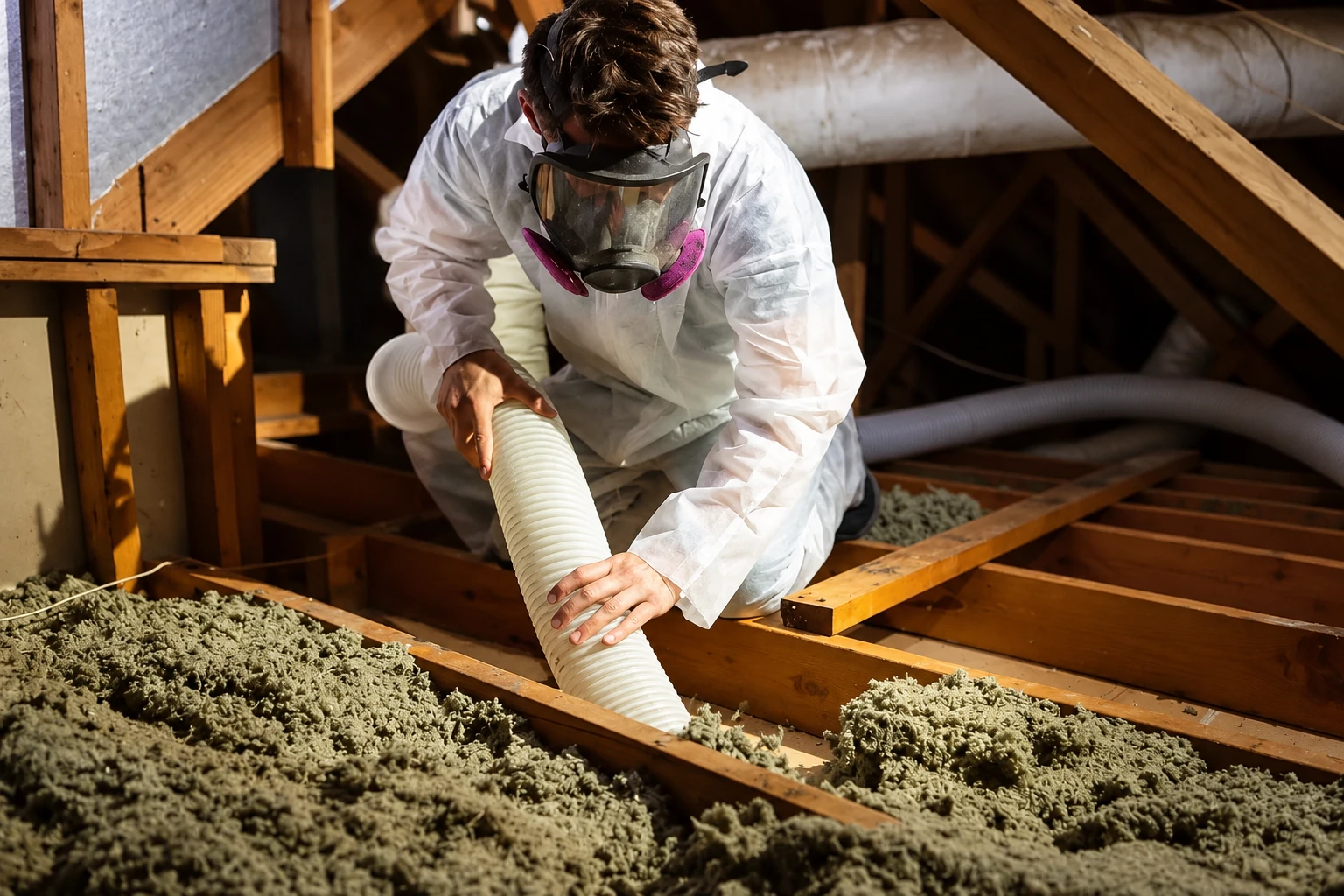
Insulation removal in Charleston means taking the old insulation out of your attic or walls so the space can be handled safely and filled again. With everything cleared out, it's also a good chance for air sealing, which closes the gaps where air leaks through before new insulation goes in.
What moves the price is mostly what's up there and how hard it is to reach. A few inches of dry, settled fill in an attic you can stand up in is a lighter job than soaked batts under a low roof, and droppings add cleanup. The schedule turns on the same things, plus anything that has to come first, like an asbestos contractor if the fill turns out to be vermiculite, and your written estimate shows all of it.
We're licensed and insured, and the state licensing board lists insulation installers as their own residential specialty trade, covering work for a homeowner once the job is over $500. We're based in Charleston and do this same work across the cities around it, from James Island and Mount Pleasant to Summerville and Goose Creek.
Sometimes old insulation is dry and clean and only needs topping up, and I'll tell you so. I'd rather lose the job than sell you a removal your house doesn't need.
I do the estimate myself, our installers do the work, and I come back at the end to look it over with you, so the person who explained the job answers for it.
A lot of our calls come from people holding a few quotes they can't tell apart. I explain what each step does and why, so you can weigh ours against the others.
The first thing I look at is what kind of fill you have. If it looks like vermiculite, we stop there and point you to an asbestos professional instead of touching it ourselves, because that material needs asbestos-trained hands and a plan before anyone disturbs it. It's no reason to panic. On some older houses it's simply the first step, and the questions below cover how to spot it.
For ordinary old insulation, the reason it's coming out decides the rest. Fill that got soaked or filled with droppings has to go, since new material laid over it just buries the problem, and I tell you up front where the removed material is going so nothing about the hauling surprises you later.
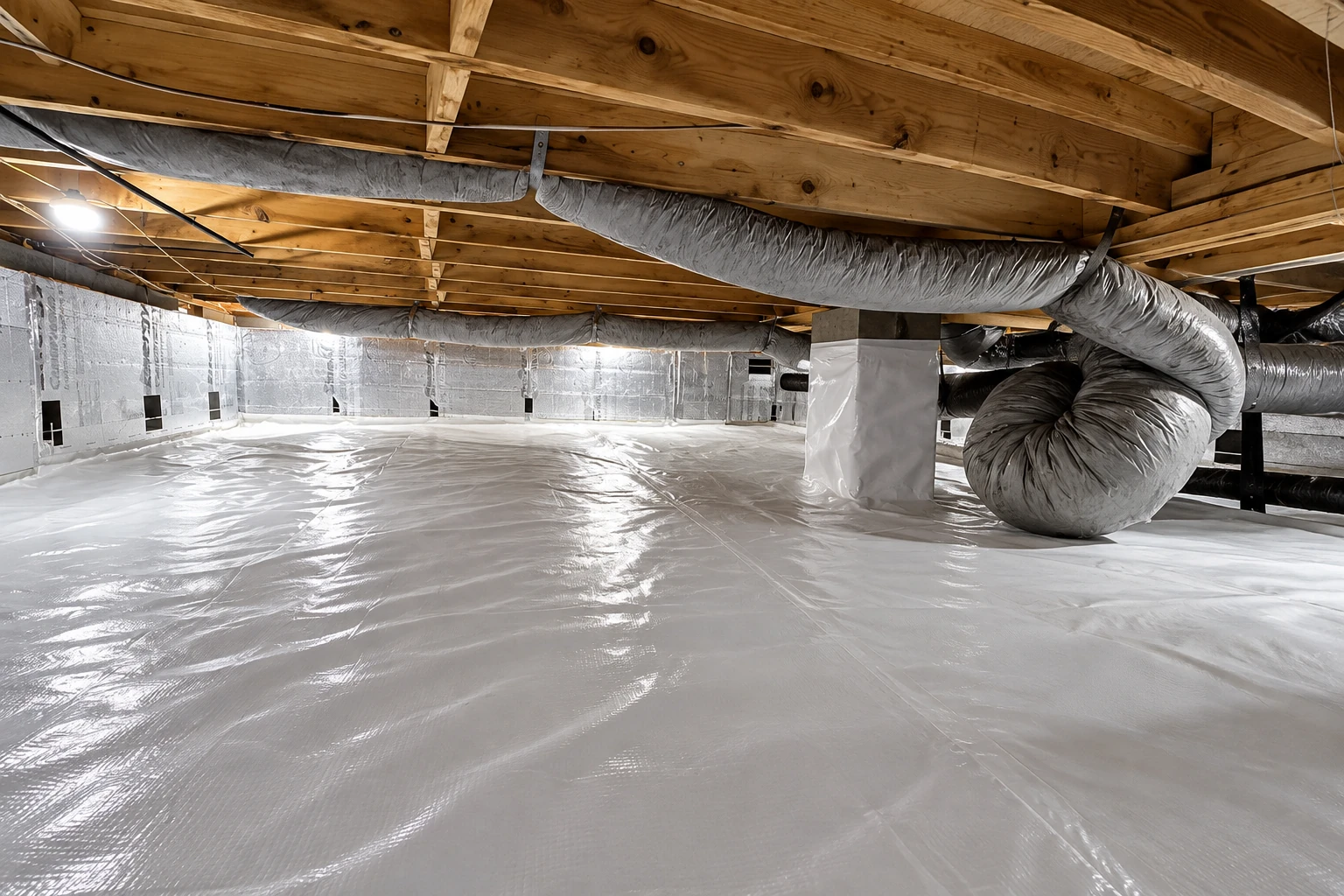
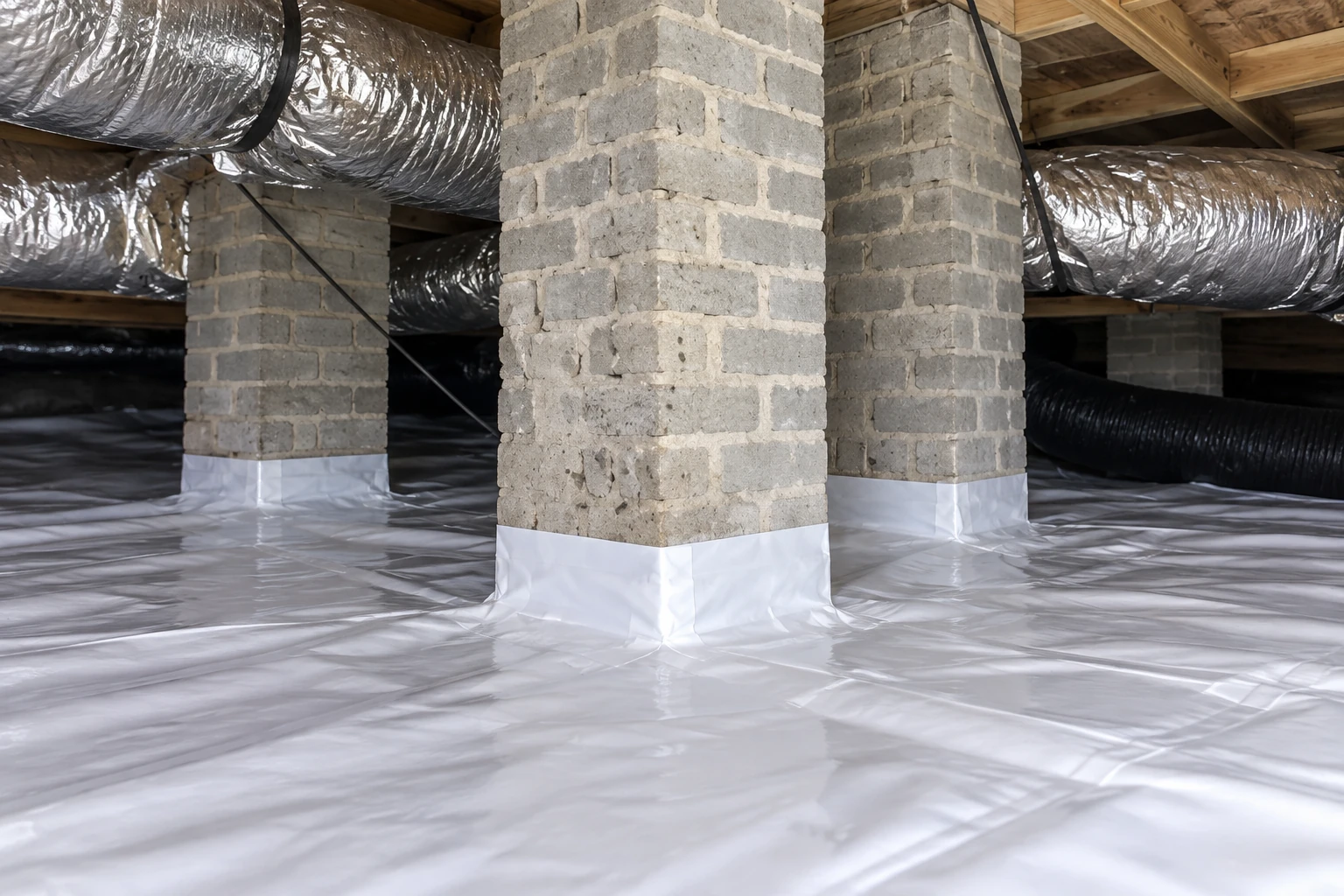
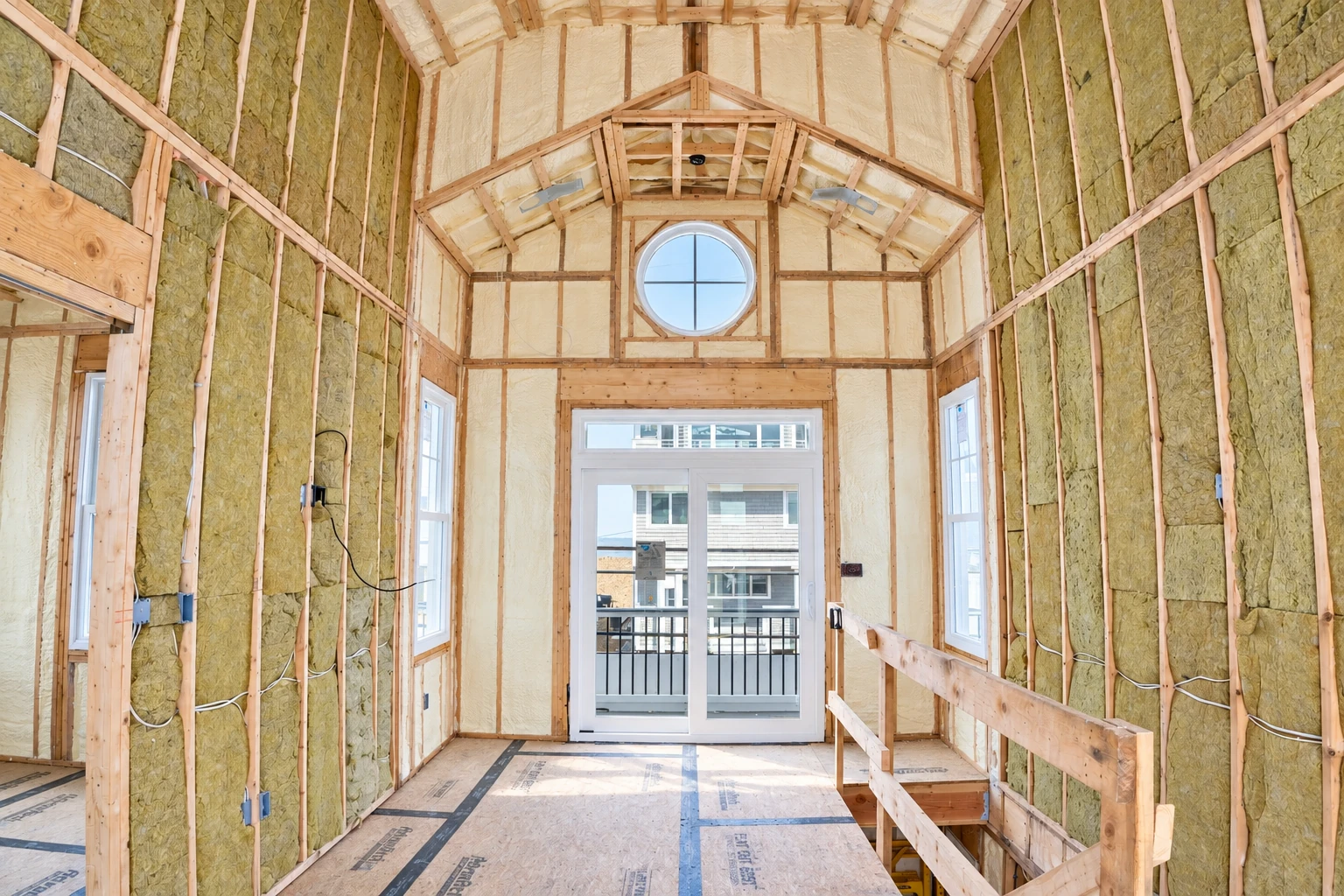
Once the old fill is out, we can reach the gaps around can lights, pipes and the attic hatch and seal them before anything new goes in, and keep the eave vents clear so the attic still breathes. If the trouble is under the house, drainage and moisture problems need fixing before the crawl space walls are sealed and insulated, so it stays dry once it's closed in, and that's where crawl space insulation picks up. If you're opening walls for a remodel, it's also the easiest time to look at wall insulation.
Insulation that got wet usually mats down and holds dampness against the framing. Covering it with fresh fill keeps that moisture in place, so once the leak is fixed, the wet material should come out.
Rodents and other animals leave droppings and nests in loose fill. New insulation on top hides the mess without getting rid of it, so we clear it out before anything goes back in.
Older attics often have only a few inches left, deep in the middle and thin at the edges, which is backward. Pulling it out lets the new layer go in evenly from wall to wall.
When old fill covers the eave vents and hides gaps around lights and pipes, the attic can't breathe and air leaks straight through. Taking it out puts those trouble spots back within reach.
We'll reply within one business day by phone or email, whichever you used, and set a time for me to come out. The estimate is free, on site and comes with no obligation, with a written quote showing every step.
Let us know whether the old insulation is in the attic, the walls or the crawl space, and how you get to it, so I come ready to look at the right spot.
If it's pebble-like and gray-brown or silver-gold, say so. That tells me before I arrive that we may need to talk about an asbestos professional first.
A roof leak, droppings, a hot room upstairs or a high power bill each point to something different, and knowing which one helps me look in the right place.
These are general examples of attics, old fill and new insulation, useful for talking through what your own house might need.
Here are the questions Charleston homeowners ask most when old insulation has to come out, from vermiculite to permits and hauling.
Vermiculite is a loose, pebble-like fill that was poured in, and it's usually gray-brown or silver-gold. If that's what you see, the job needs asbestos-trained hands before anyone makes a removal plan. Mention it when you call, and I'll point you to an asbestos professional before we talk about anything else.
No. The EPA tells homeowners to hire a professional asbestos contractor instead of removing it themselves whenever remodeling or other work would disturb vermiculite in the attic or walls. It also says removal should be done by a trained, accredited abatement company separate from the one that assessed it, so nobody grades their own work. That's why we don't remove it either.
The City of Charleston's Development and Construction Services answers permit questions at its Permit Center, at 843-577-5550 or permits@charleston-sc.gov. Homeowners can pull their own residential single-family permits there, except for fuel-gas work. Before we quote, I check whether your address falls under the city or the county, and if your job needs a permit, we handle the application and keep you posted.
For asbestos work, the EPA advises getting a written contract before anything starts. It should spell out the work plan, the cleanup, and the federal, state and local rules the contractor follows for notification, removal, handling and disposal. For ordinary old insulation, our written quote lays out every step, including any prep that has to come first.
It goes wherever your contractor hauls it, and it's worth asking, because Charleston County's Bees Ferry Road Landfill doesn't accept construction and demolition waste from private or commercial haulers. That's why I settle the question at the estimate, as I mentioned above, so it's answered before our crew starts.
We're open seven days a week from 7 AM to 10 PM, so call (843) 278-0544 or send the form whenever it suits you.