
Spray foam insulation
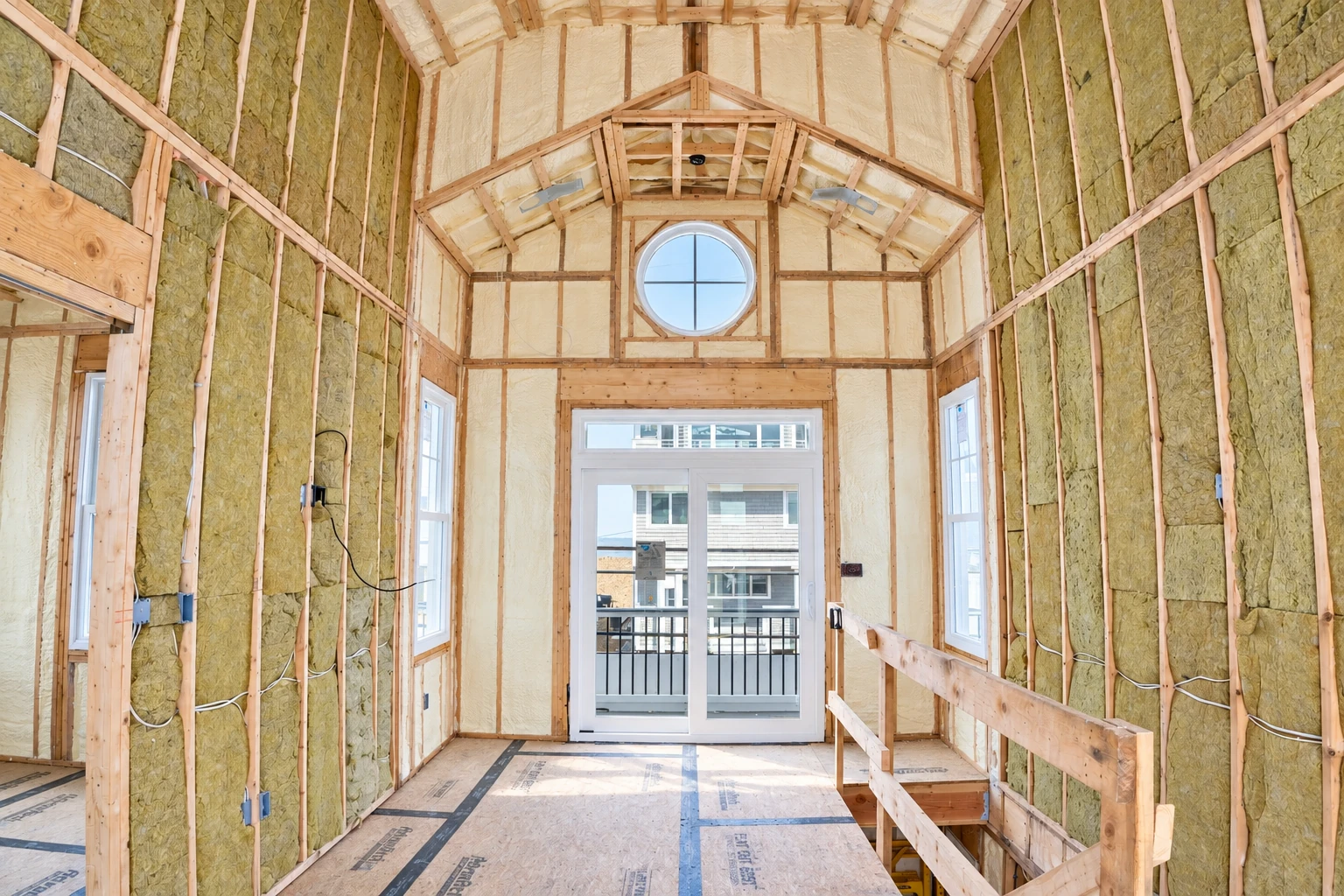
Spray foam fills and seals in one pass, which helps most where ductwork runs through the attic or the roofline has awkward angles. It costs more than loose fill, so I'll say plainly when your house doesn't need it.
Trueseal Charleston Insulation Company is an insulation contractor based in Charleston, SC. We insulate and air seal attics, walls and crawl spaces in Hanahan homes, and pull out old insulation when it has to go first.
Hanahan sits at the south end of Berkeley County, and its west and south city limits run along the line with Charleston County. That line matters on an insulation job, because before I quote I check whether your address falls under a city or county office, since that decides who you'd be dealing with if the work needs a permit.
Several neighborhoods here have tidal water behind them, and Goose Creek Reservoir sits in the middle of the city, so I spend real time in crawl spaces looking for damp framing and old water lines before anything goes under a floor. Up top, the calls sound a lot like the ones we get in Goose Creek and North Charleston: a hot upstairs, a drafty room over the garage, and an attic with old fill that's settled thin.
What moves the price is what's already up there and what shape it's in, how many gaps need sealing first, and whether foam makes sense or loose fill will do. The schedule turns mostly on prep, like pulling out wet or dirty insulation, and on whether a permit is in play. Your own number comes from the estimate, which lays out every step in writing.
Foam costs more and seals air while it insulates. In most attics, sealing the gaps and topping up loose fill is the better buy, unless your ductwork runs up there, where foam often earns its price.
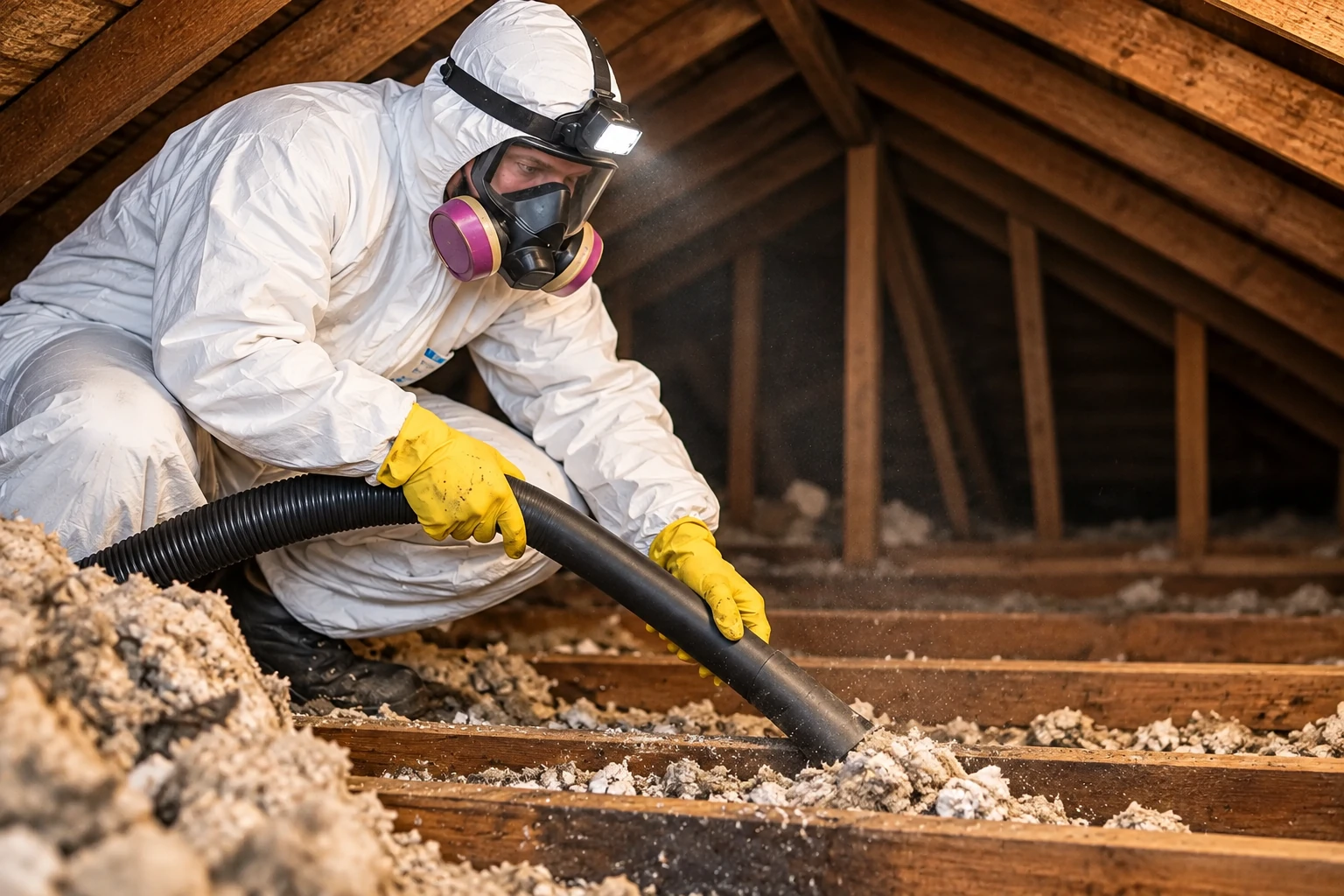
If what's up there is soaked or full of droppings, new material on top just hides the problem, so removal goes on the quote as its own step before anything new goes in.
We keep the eave vents open and carry full depth out to the edges, because a buried vent lets moisture build in the framing and thin edges leave the outer rooms uncomfortable.
Spray foam fills and seals in one pass, which helps most where ductwork runs through the attic or the roofline has awkward angles. It costs more than loose fill, so I'll say plainly when your house doesn't need it.
Most calls start with a hot upstairs or a high power bill, and the attic is usually why. We measure the inches already up there, seal the gaps, then bring coverage to full depth wall to wall.
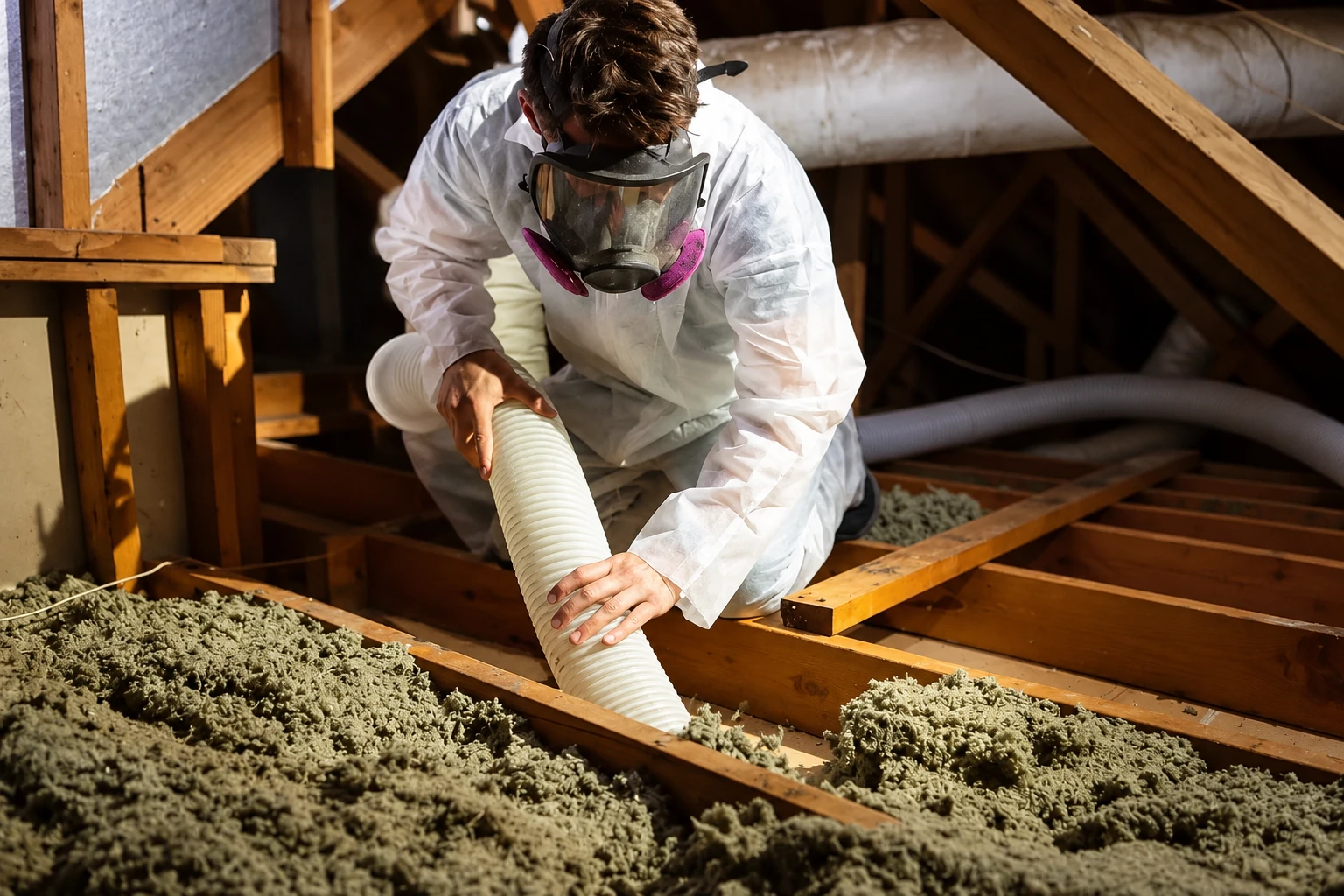
Blown-in insulation is loose fill sent through a hose, and it's the usual way to top up an attic floor. We keep it even right out to the eaves, where it's easy to leave thin.
When several rooms feel drafty, I look at the whole house, attic, walls and floors, and tell you which part matters most, so you aren't paying to insulate a spot that was already fine.
Insulation that's been soaked, packed flat or fouled by animals comes out before anything new goes in. We bag it, vacuum the attic floor clean and leave the space ready for sealing.
Cold floors usually trace back to the crawl space. We check for standing water and damp framing first, because insulation under a wet floor stops doing its job and can hold moisture against the wood.
In finished walls we can add insulation through small holes and patch them afterward, so nobody tears out drywall. It pays off most on outside walls beside a drafty room or the garage.
Air sealing means closing the gaps where pipes, wires and ducts pass through floors and walls before we insulate. Skip it and the new insulation just fights a draft, which is why it shows up on most of my quotes.
Where a house has a basement or a below-grade room, we insulate the walls and the rim joist, the band of framing sitting on the foundation, to stop drafts that slip in along it.
Closed-cell foam is dense foam that also blocks moisture, so it suits crawl spaces and rim joists where damp air keeps getting in. It's the priciest option, and we use it where that moisture block pays off.
Open-cell foam is softer and lighter, and it's usually the pick for sealing a roofline from underneath. It seals air well and quiets outside noise, but it doesn't stop moisture, so it stays out of wet spots.
We also insulate offices, shops and small commercial buildings. I walk the space with you first, since working around business hours and tenants shapes the schedule as much as the material does.
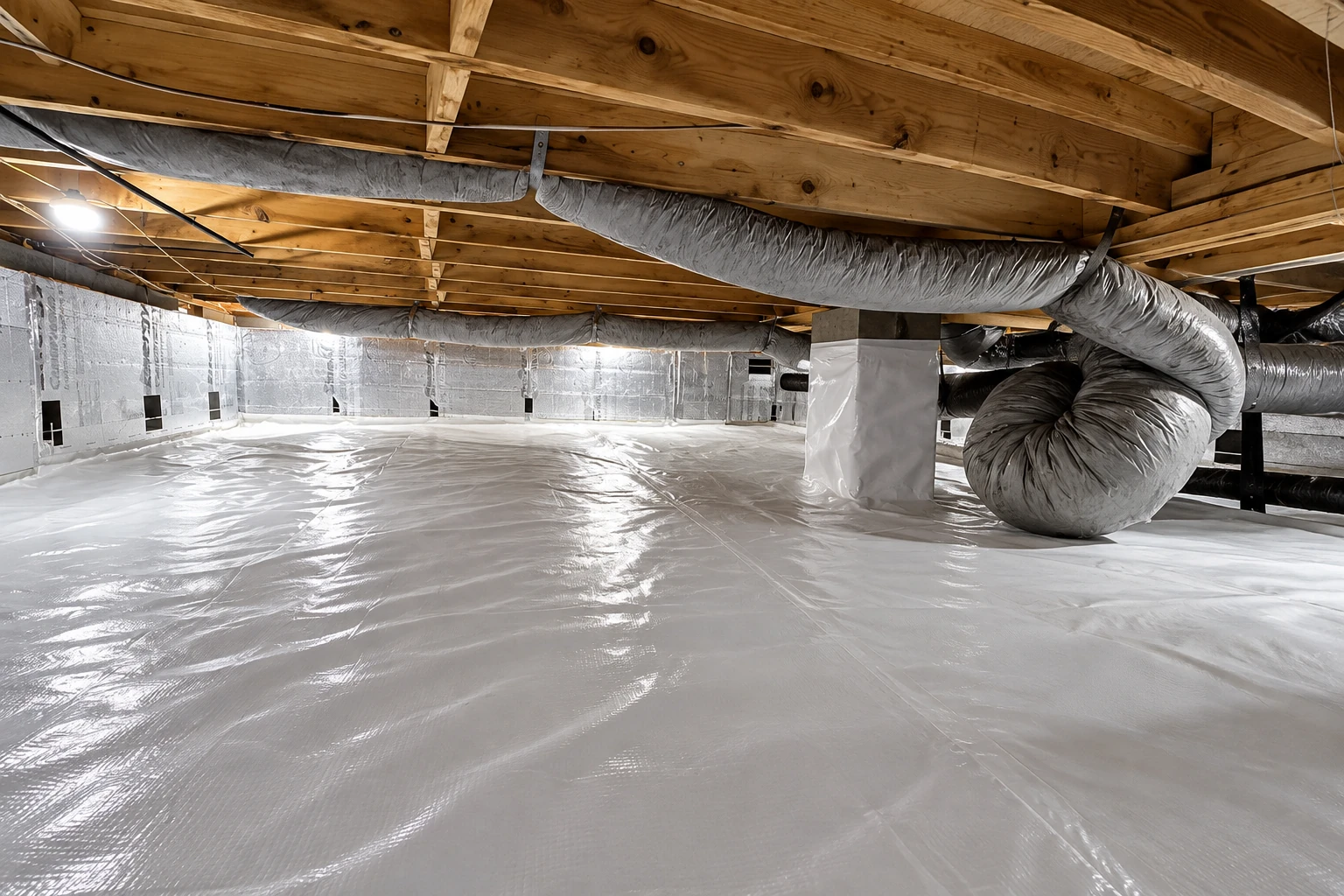
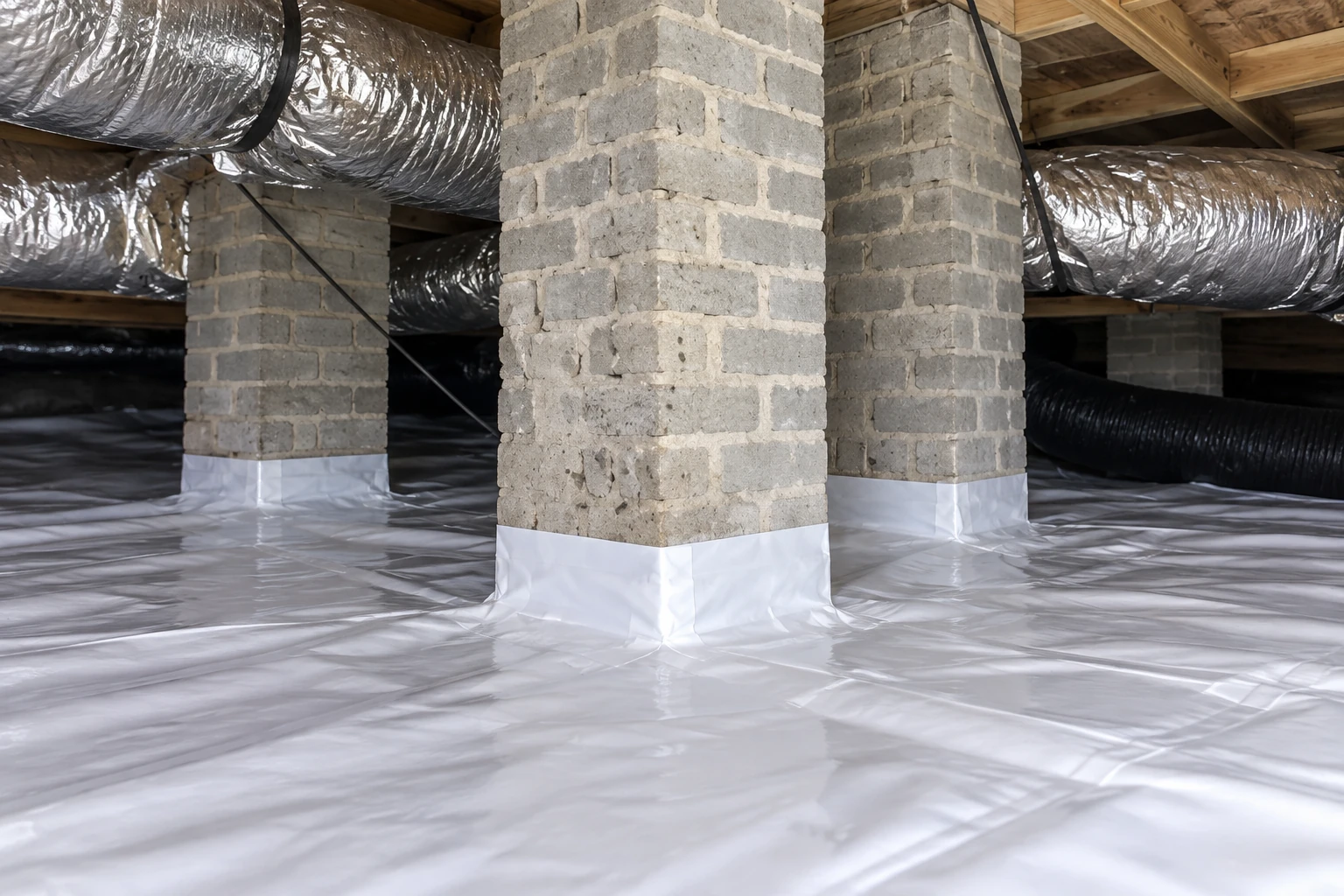
A crawl space vapor barrier is a heavy plastic sheet over the dirt that keeps ground moisture out of the air under your house. We overlap and tape the seams and run it up the walls so it actually holds.
Outside the crawl space, we add vapor barriers where a wall or floor needs one to keep moisture out of the insulation. On the wrong side a barrier can trap water, so I explain where it goes first.
Attic air sealing closes the leaks in the attic floor itself: the hatch, plumbing stacks, can lights and the tops of interior walls. Sometimes it's all an attic with decent insulation really needs.
Retrofit insulation means adding to a finished house without opening it up. We work from the attic, the crawl space and small wall holes to reach the cold spots, so your rooms stay in use while we work.
Send the form and we'll reply within one business day, by phone or email, whichever you used. Then I set a time to come out, look over the attic and crawl space, and write up your quote.
The estimate is free and commits you to nothing. If your attic only needs the hatch sealed, the quote says so, since I'd rather lose a sale than sell you work you don't need.
Your written quote lists each step in order, including prep like pulling old insulation, so you can lay it next to other quotes and see what's actually different.
I come out for the estimate myself. Our installers do the work, and I come back at the end to look it over with you and show you what changed.
Here's what Hanahan homeowners usually ask about permits, contractor licensing and damp crawl spaces before they hire an insulation crew.
The state's permit rules don't settle it for insulation, so it's a question for the building official who covers your address. State law lets a homeowner skip a permit for certain listed jobs on their own house, like fences, driveways and painting, but insulation isn't on that list. Once we know which office covers you, and if your job needs a permit, we handle the application and keep you posted.
Residential specialty work in South Carolina that runs over $500 needs a state registration or license through the state's Residential Builders Commission. That board licenses and registers residential builders and specialty contractors for homes up to three floors. We're licensed and insured, and when you're comparing quotes, it's fair to ask every contractor the same question.
You can type your address into the Berkeley County flood hazard map or the state's floodplain map viewer to see your flood zone. The county map shows FEMA flood data only, and the state viewer lets you switch to preliminary maps where they exist. It's worth knowing before crawl space work on a lot near the water, and I'll look for signs of past water under your floor either way.
These are the cities with their own page on our site, and we work in plenty of others around Charleston. If yours isn't listed, call or send the form and ask.
We pick up seven days a week, 7 AM to 10 PM, so call (843) 278-0544 or use the form and describe what you're noticing.