
Spray foam insulation
Foam costs more than loose fill but seals air while it insulates, so we suggest it mainly when your ductwork runs through the attic and that space needs closing in around it.
Trueseal Charleston Insulation Company insulates attics, walls and crawl spaces on James Island, SC. We seal air leaks, top up or clear out old insulation, and we tell you plainly when your house doesn't need much.
James Island is a patchwork, and that matters before anyone climbs into your attic. One street can sit inside the Town of James Island, the next inside the City of Charleston, and a few lots over you'll find small unincorporated pockets, known as donut holes, that Charleston County still governs.
Most calls here start with a hot upstairs, a drafty room over the garage or cold floors over the crawl space. A lot of the houses we get into are older, with insulation topped up more than once, so the first job is working out whether what's up there still does anything. We hear the same calls across Charleston and up in Hanahan.
What you'll pay turns on how many inches you already have, whether old material is wet or full of droppings and has to come out first, how much gap sealing the house needs, and whether foam earns its cost or loose fill will do. The schedule moves with the same things plus any permit, and foam adds a wait before you can go back inside. I do the visit myself, and the written quote spells out every step, prep work included.
Your street could fall under the Town of James Island, the City of Charleston or the county, so we confirm which one before quoting and you know whose office you'd deal with.
I do the estimate, our installers do the work, and I come back at the end to look it over with you, so you're never stuck explaining your house to a stranger.
We keep the eave vents clear so the attic can still breathe, and we build the edges up as deep as the middle, where rushed jobs usually go thin.
Foam costs more than loose fill but seals air while it insulates, so we suggest it mainly when your ductwork runs through the attic and that space needs closing in around it.
For a hot upstairs, we start by measuring how many inches you already have and what shape they're in, then seal and top up only as much as the attic actually needs.
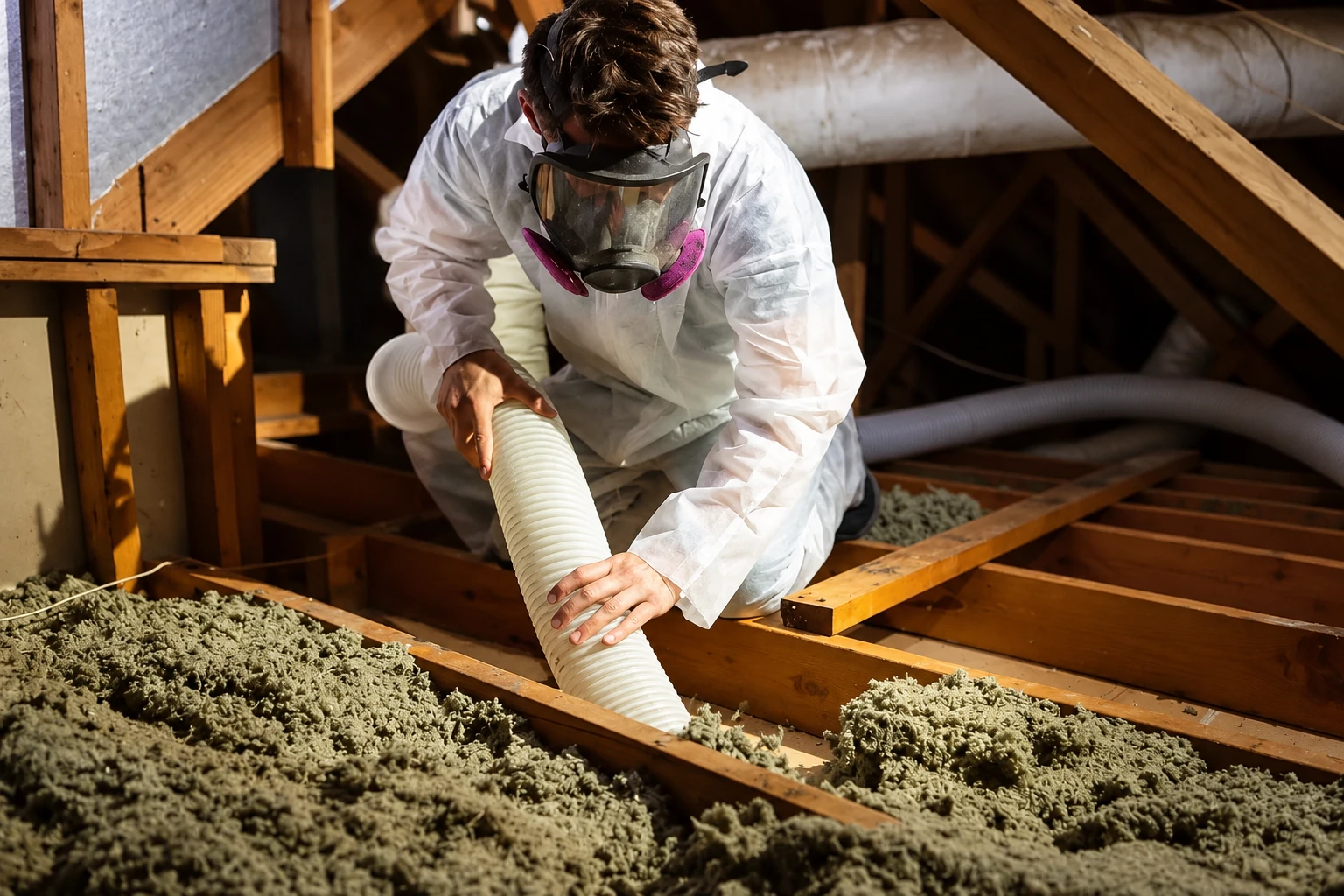
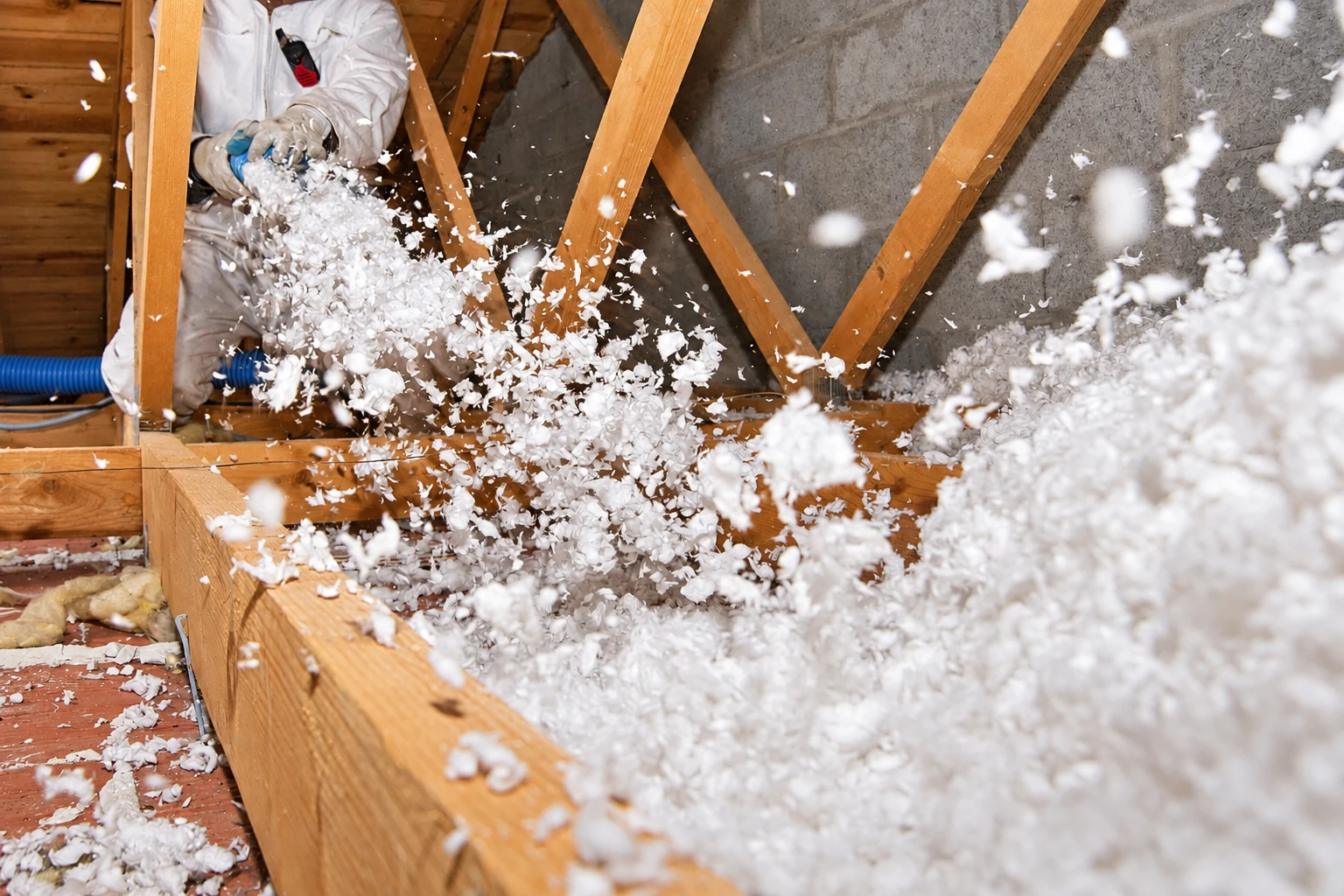
Blown-in insulation is loose fill sent through a hose, which lets us reach the low corners and tight spots over older ceilings where rolls won't lie flat.
When the whole house feels uneven, we look at the attic, walls and crawl space together on one visit, so you can see where the heat gets in before choosing where to spend.
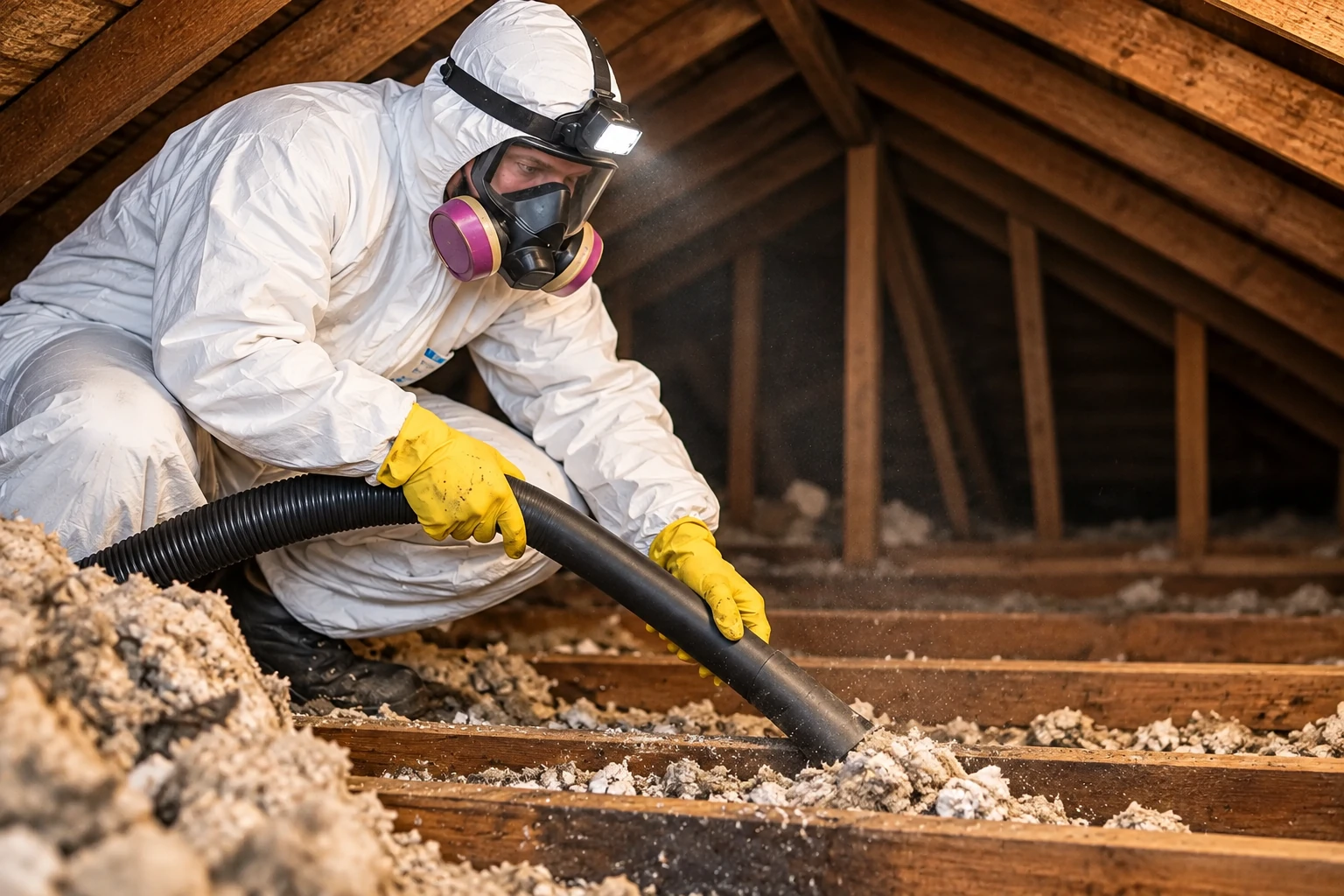
Soaked or droppings-filled insulation comes out before anything new goes in. If we find vermiculite, a pebbly fill in some older attics, we stop and explain what it means before anyone touches it.
Cold floors usually trace back to the crawl space, so we check what's sagging or fallen between the joists and refit the floor insulation so it stays tight against the subfloor.
Older walls are often thin or empty in places, and we fill them through small holes that get patched afterward, once we've checked any old wiring inside so nothing gets packed around it.
Drafty rooms usually come down to gaps around outlets, baseboards, window trim and the door to the room over the garage, and we close those so your insulation isn't fighting moving air.
Few houses here have a true basement, so this usually means a lower level or a below-grade room, where we insulate the walls and the rim joist, the wood band sitting on the foundation.
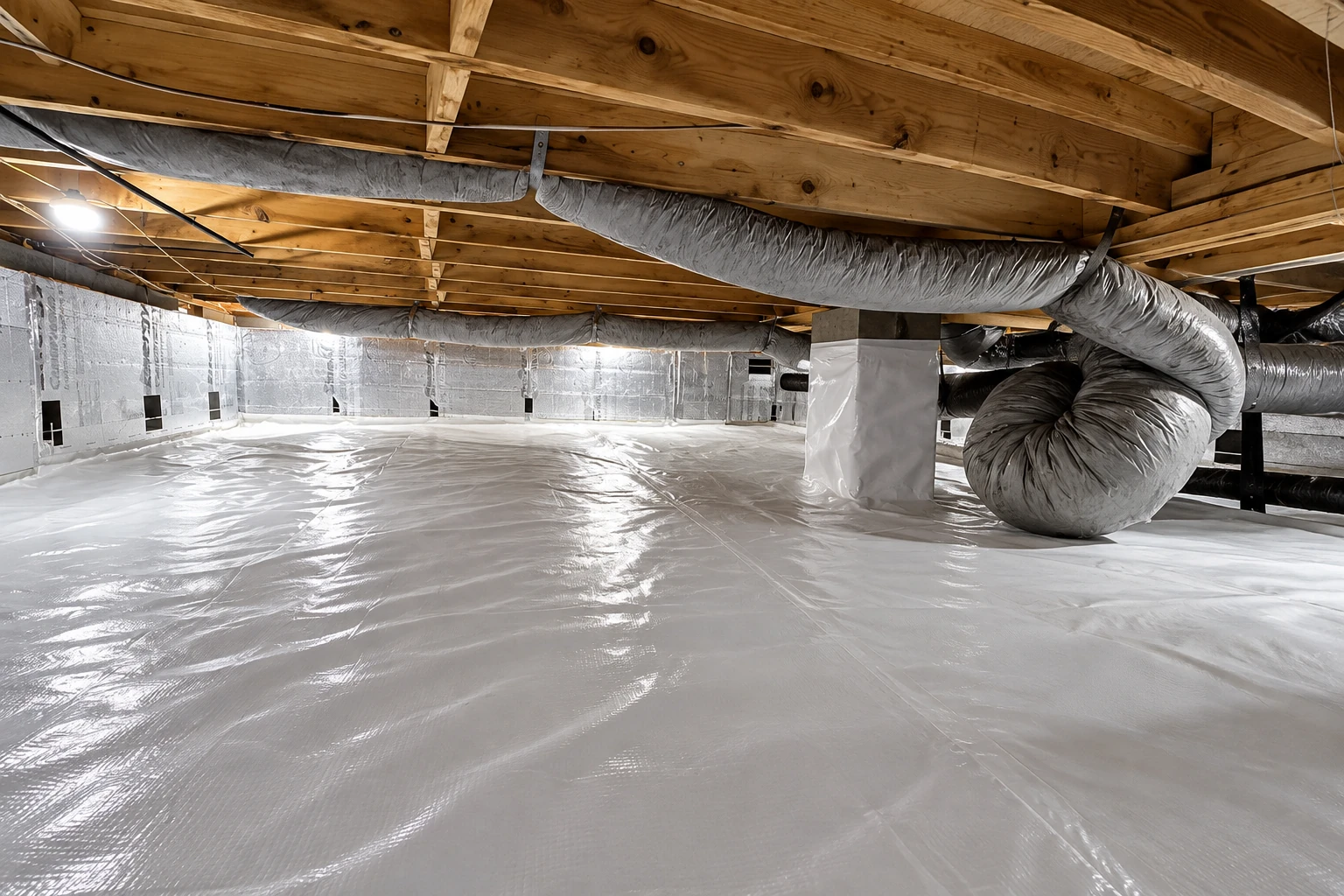
Closed-cell foam is dense foam that blocks moisture as well as heat, so it's the one we reach for in a crawl space or against a rim joist, and it means a wait before you come back inside.
Open-cell foam is the softer, lighter foam, usually sprayed under the roof deck when an attic is being closed in, and it usually costs less than closed-cell.
For small offices, shops and rental buildings on the island, we look at the space the same way we would a house and plan the work around your hours so the business keeps running.
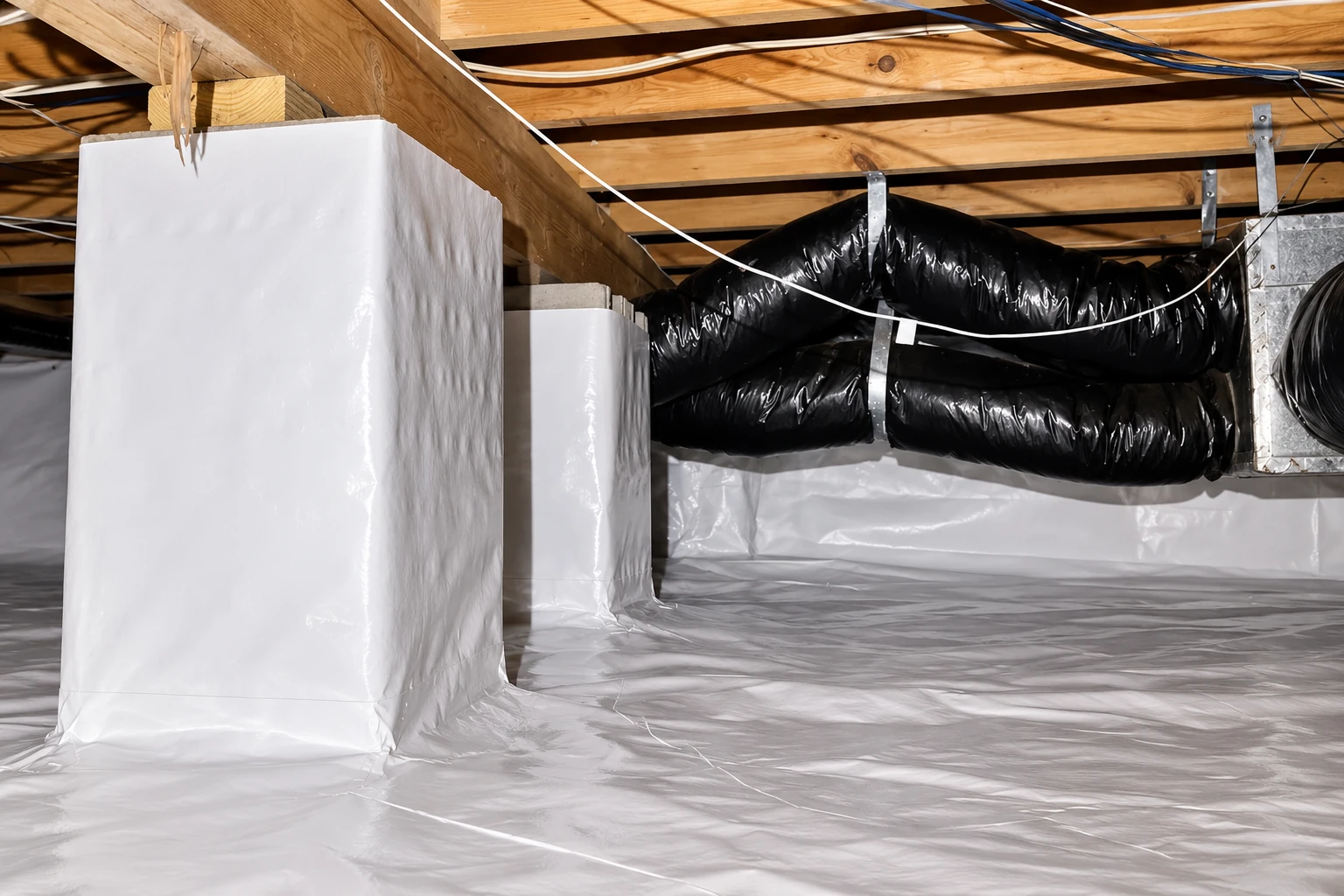
A vapor barrier is plastic sheeting laid over the dirt and run up the foundation walls, and we seal its seams so ground moisture stays away from the joists and the insulation above.
Beyond the crawl space, we put vapor barriers in where walls or ceilings are open, like a garage conversion or a room addition, so moisture doesn't settle inside the new insulation.
Before we add an inch to the attic, we seal around the hatch, can lights, vent pipes and wiring holes, because insulation over an open gap just lets the air keep moving through.
Retrofit means adding insulation to a house that's already built and lived in, so we work around finished ceilings and furniture, and we'll tell you when what you have is already enough.
Send your address and what's bothering you, and we'll reply within one business day by phone or email, whichever you used. I'll set a time to come out for a free estimate with no obligation.
The written quote lists each step, including prep like removing old insulation or sealing gaps, so you can lay it next to other quotes and see what's actually different.
I go up in the attic and down in the crawl space myself, because the inches up there and the shape they're in decide the job more than the square footage does.
We're licensed and insured, and our work is satisfaction guaranteed. If you're unsure about anything on the job, I'd rather you ask me than sit there wondering about it.
These are the questions James Island homeowners ask us most, from who issues a permit to when you can get back inside.
If your address is in the Town of James Island, its building services office handles permits and inspections, working through SAFEbuilt. On county parcels, Charleston County Building Services issues permits for every trade, whatever the job's value. We check which office covers your address before we quote, and if the work needs a permit, we handle the application and keep you posted.
On county parcels, the county's guidance waives a permit for work under $1,000.00 that needs no inspection, when you do the work yourself or a specialty contractor handles a one-trade project. That waiver is county guidance for county parcels, so don't count on it for every address on the island. We confirm what applies to yours before any work starts.
The current homeowner does, under the county's guidance on unpermitted work. That owner is also responsible for a retroactive permit, one issued after the work is done, or for tearing the work out to bring the house into compliance. That's why we settle the permit question for your address before we start, not after.
Yes, for spray foam you, the kids and the pets stay out until the re-entry time, the wait before it's safe to come back inside, has passed. I'll give you that time for your job at the estimate. With blown-in or air sealing work, most people stay home and just keep clear of the attic hatch.
These are the cities with their own page on our site, and we work in plenty more around Charleston. If yours isn't listed, call or send the form with your address.
If you already have a quote or two in hand, call or send the form, and I'll help you see what each one actually covers.