
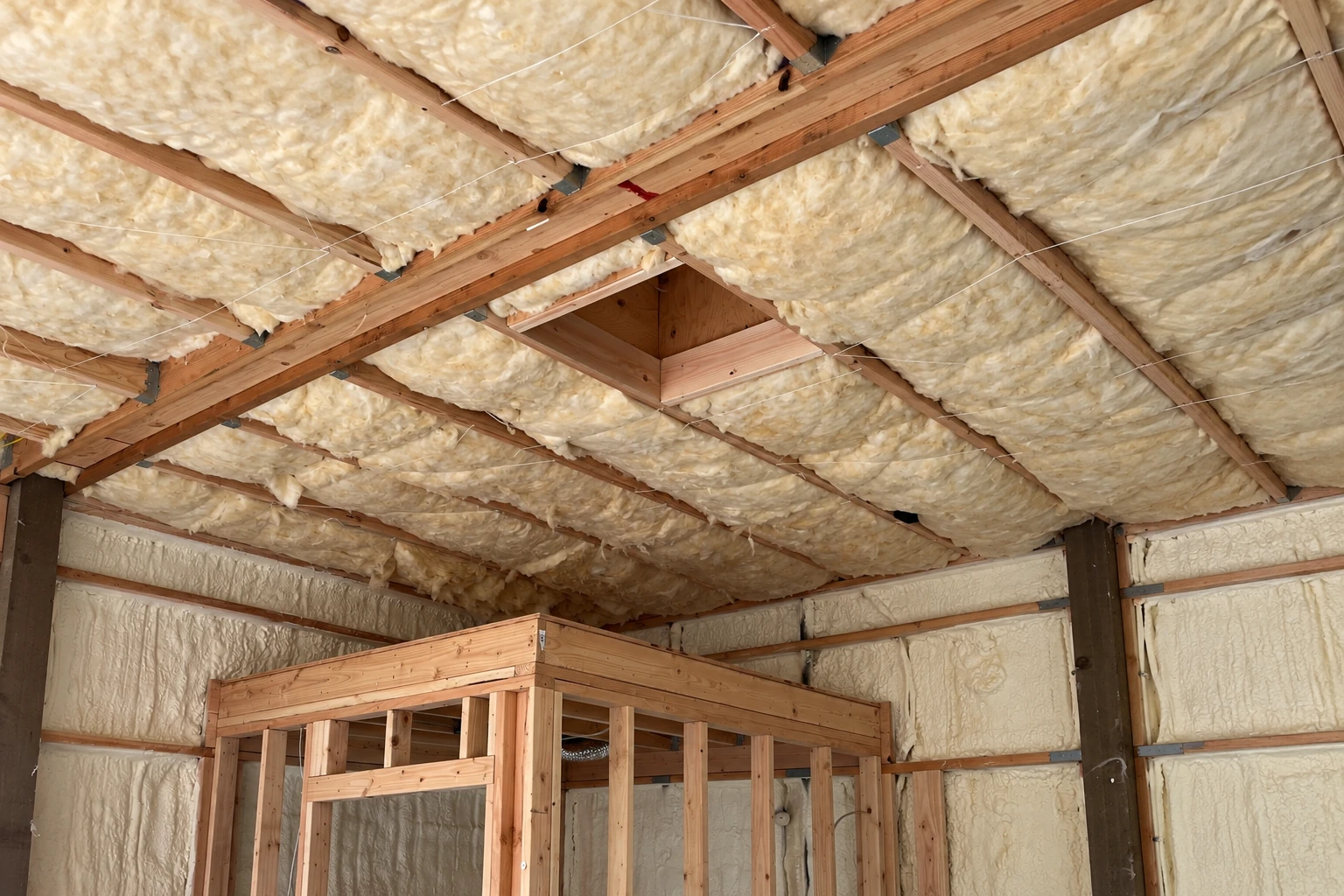
Walls opened up for a remodel
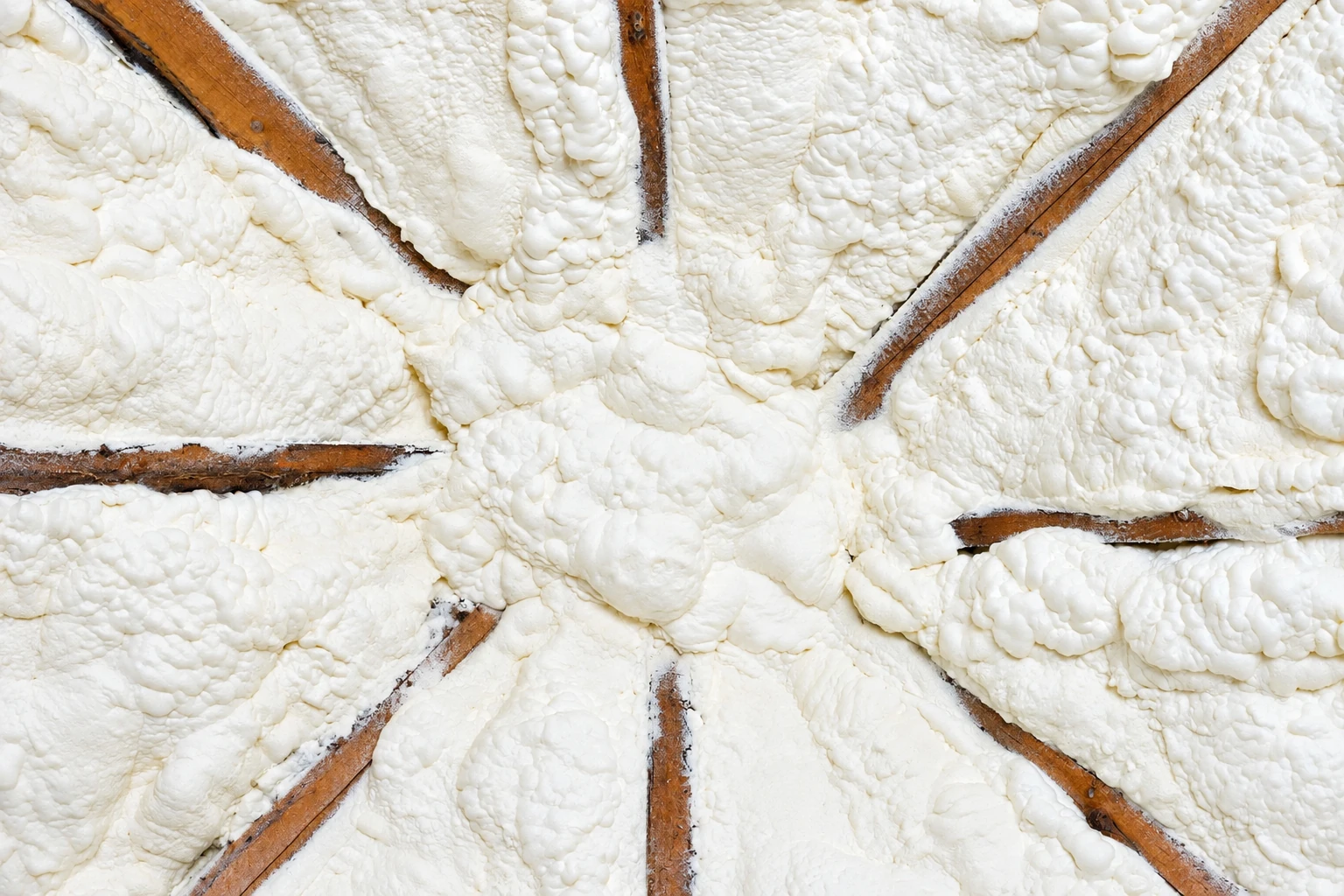
When your walls are open, foam goes straight into the hollow spaces between the studs, stopping air through the wall and insulating it in one pass before the drywall goes back up.
Hot rooms upstairs, drafts around outlets, a power bill that keeps climbing. We spray the right foam so your house stays sealed and comfortable.
Spray foam insulation is foam sprayed into places like the hollow spaces inside your walls, where it stops air from moving through and insulates at the same time, and at Trueseal Charleston Insulation Company we install it in homes across Charleston, SC.
The price mostly comes down to how many square feet we're covering, how thick the foam goes and which foam type you pick, plus any prep, like pulling out old insulation that got soaked or full of droppings so the foam doesn't seal the problem in. The schedule turns on the weather as much as anything, because foam needs the right air and surface temperature, humidity and dry surfaces, so sometimes we adjust conditions inside or move the day. Your written estimate lists every step, prep included, so you can see what you're paying for.
South Carolina treats insulation installers as residential specialty contractors on any job over $500, so it's fair to ask anyone you're comparing whether they're licensed for the work. We're licensed and insured, and since a lot of our calls come from people holding a few quotes they can't tell apart, I'm glad to sit down and explain the differences.
Before you pick open cell or closed cell, I explain how each one handles moisture in your walls, so you choose with the trade-off in front of you instead of on someone's say-so.
I do the estimate myself, our installers do the spraying, and I come back at the end to look the work over with you, so the person who explained the job answers for it.
I spent years on the selling side, and I'd rather lose a sale than talk you into foam your house doesn't need, so sometimes my advice is a simpler, cheaper fix.
The first thing we settle is open cell or closed cell, because they treat moisture differently. Open-cell foam stops air but lets water vapor pass through, while closed-cell foam at the usual thickness slows moisture down, so a frame wall filled with it won't be able to dry well to the outside. I go through how each one would behave in your walls before you choose, since that choice decides how those walls handle moisture for years.
Then we look at what's already there and where the air gets in. Old insulation that's been soaked or is full of droppings comes out first, and we make sure the usual leak spots around can lights, pipes and the attic hatch get covered, not skipped, so nothing is left fighting a draft. We also plan install day with you ahead of time, including where everyone in your household will stay while the foam cures.
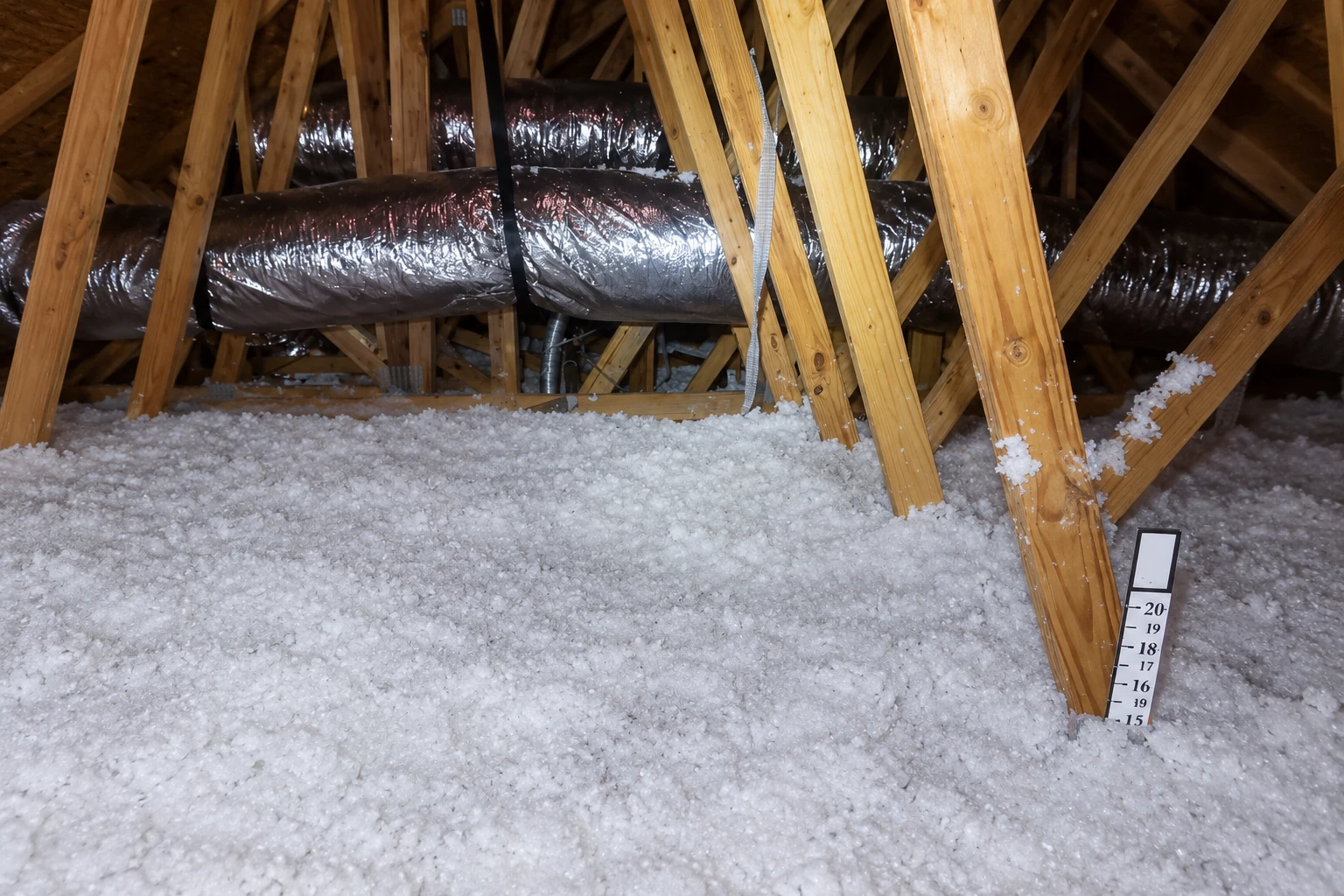
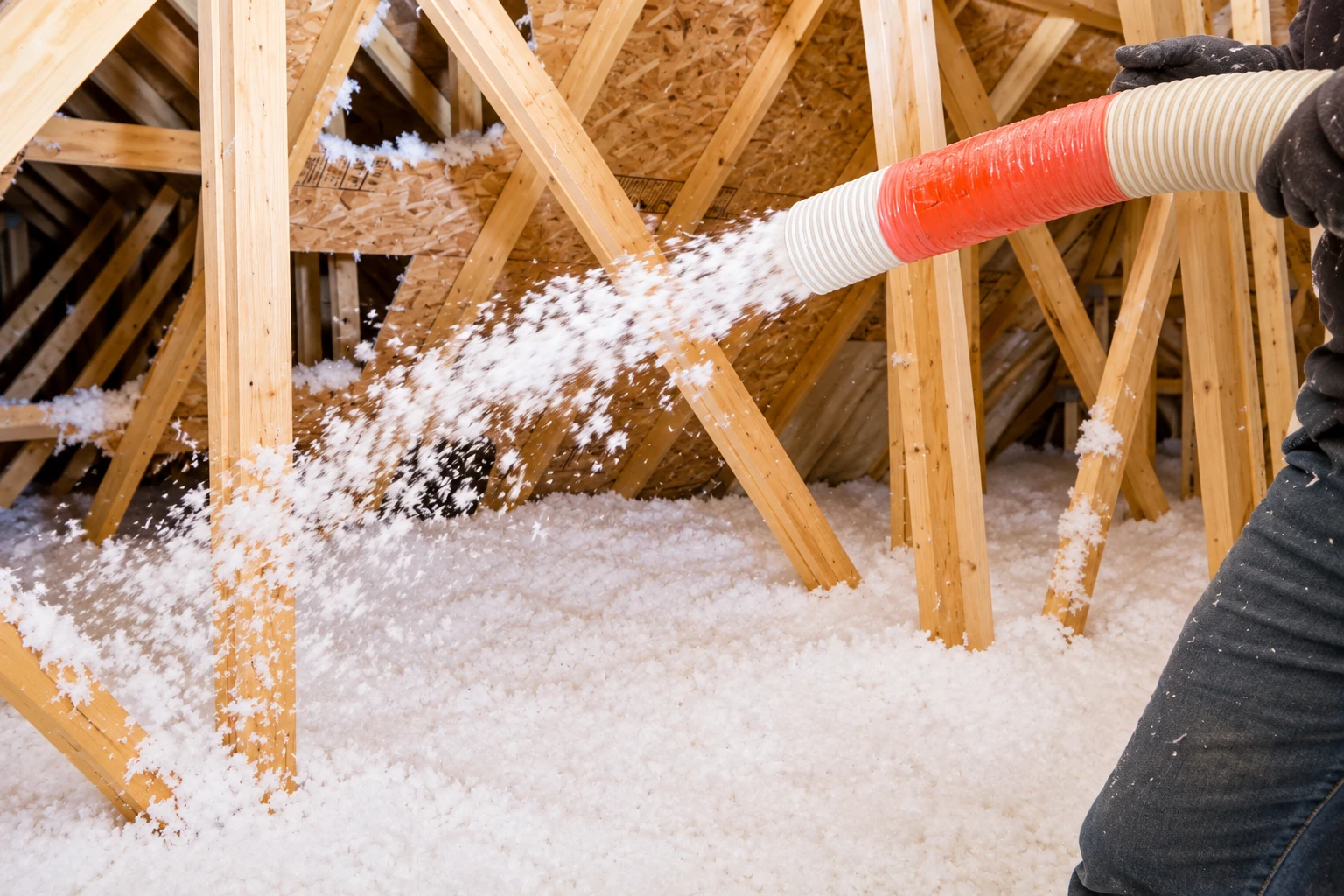
Foam isn't always the answer. It costs more because it seals air and insulates in one step, and in an attic that pays off mostly when your ductwork runs up there. If it doesn't, sealing the gaps and topping up with blown-in insulation, loose fill blown in through a hose, usually does the job for less, and our attic insulation work covers that side of things.
When your walls are open, foam goes straight into the hollow spaces between the studs, stopping air through the wall and insulating it in one pass before the drywall goes back up.
If your air conditioning ducts run through the attic, foam that seals and insulates together is usually worth the higher price, because it keeps those ducts out of the worst attic heat.
Rooms over a garage tend to run hot in summer and drafty in winter because air slips through the floor and walls, and foam closes those paths while it insulates.
We spray foam inside your house. Foam on the outside of a roof falls outside South Carolina's insulation installer trade, so if a quote mixes the two, ask who's covered for that part.
Send the form and we'll reply within one business day, by phone or email, to set a time for me to come out. The estimate is free and on site, with no obligation.
Tell us your address and which rooms run hot or drafty, so I can check whether a city or county office covers you and come ready to look at the right spots.
Let me know about kids, pets and anyone with breathing or skin concerns, because that shapes which foam we talk about and how we plan the time you'll be out.
Your written quote shows each step of the job, including prep like removing old insulation, so you can set it beside other quotes and compare them line by line.
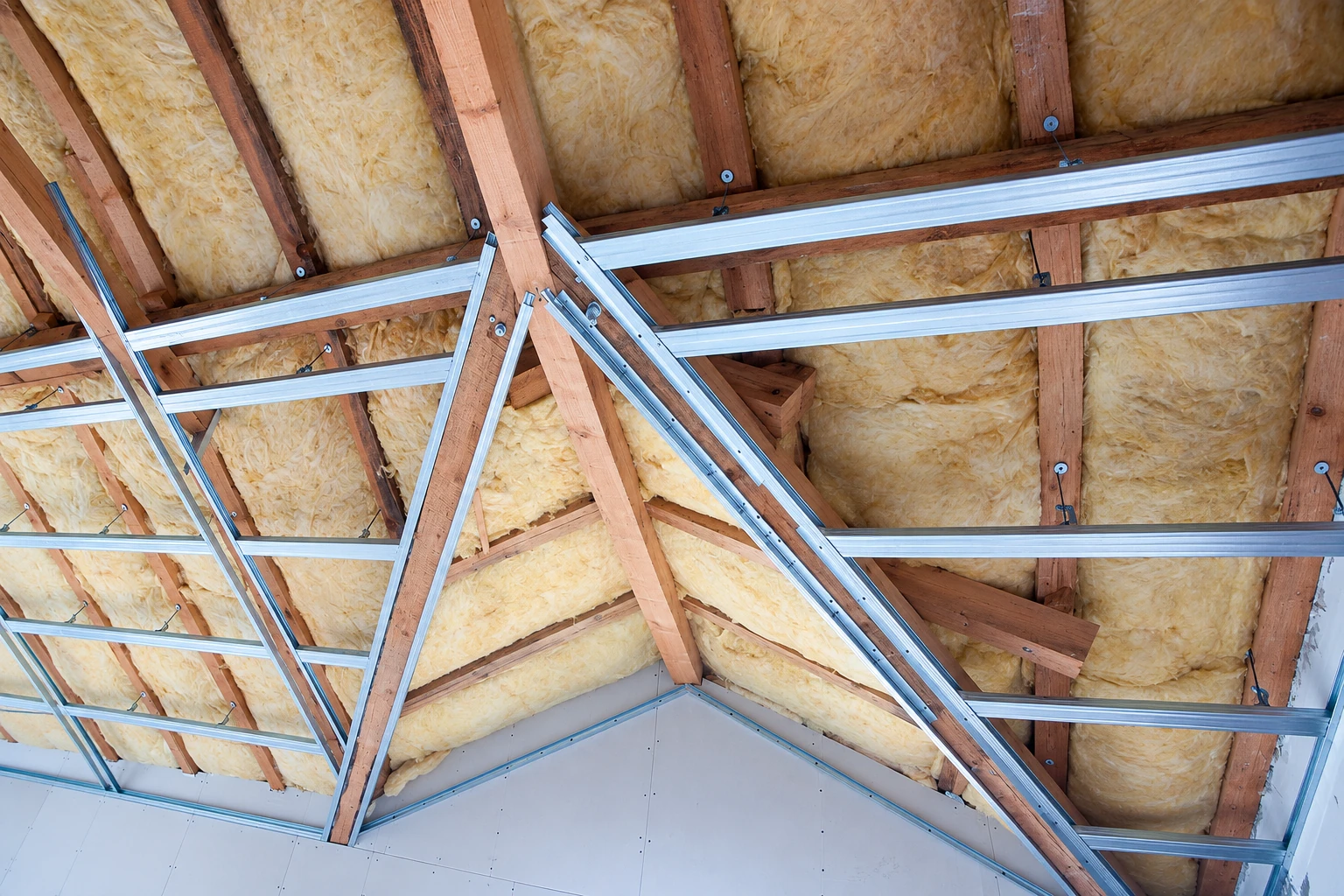
These photos show open-cell and closed-cell finishes in walls, attics and rooflines, a starting point for talking through what fits your house.
Here are the questions homeowners ask most once they start comparing foam types, prices and how long they'll need to be out of the house.
Spray foam in Charleston usually runs about $2,000 to $4,500 for a 1,000-square-foot area with 3 inches of foam, going by a local cost guide. Open-cell foam sits toward the low end of that range and closed-cell toward the high end. Your own number depends on square footage, thickness and prep, and your written quote spells it out.
Open-cell foam is the type one national guide rates as acceptable for frame walls in hot, humid climates, since inside and outside temperatures differ only a little there and it typically insulates well enough. Closed cell costs more and changes how the wall dries, as I explained above, so I walk through both at your house before you decide.
Plan to be out while we spray and for at least 24 hours after, which is what safety guidance for spray foam says. That guidance also says to talk through safety steps with your contractor, so we go over them when we plan install day, along with where your family and pets will stay.
Charleston County Building Inspection Services issues permits for construction work, and the city has you confirm your address is inside city limits through its permit center first. If your address is missing from the city's map, it points you to Charleston County or Berkeley County's online property maps. We check this before quoting, and if your job needs a permit, we handle the application and keep you posted.
Not automatically, since safety guidance says people with asthma, respiratory allergies, skin conditions or a past reaction to isocyanates, a chemical in the foam, should read the product information carefully and can consider other insulation if needed. Tell me about it at the estimate, because I'd rather suggest a different material than talk you into foam.
Our hours run seven days a week, 7 AM to 10 PM, so call (843) 278-0544 or use the form whenever it suits you.