
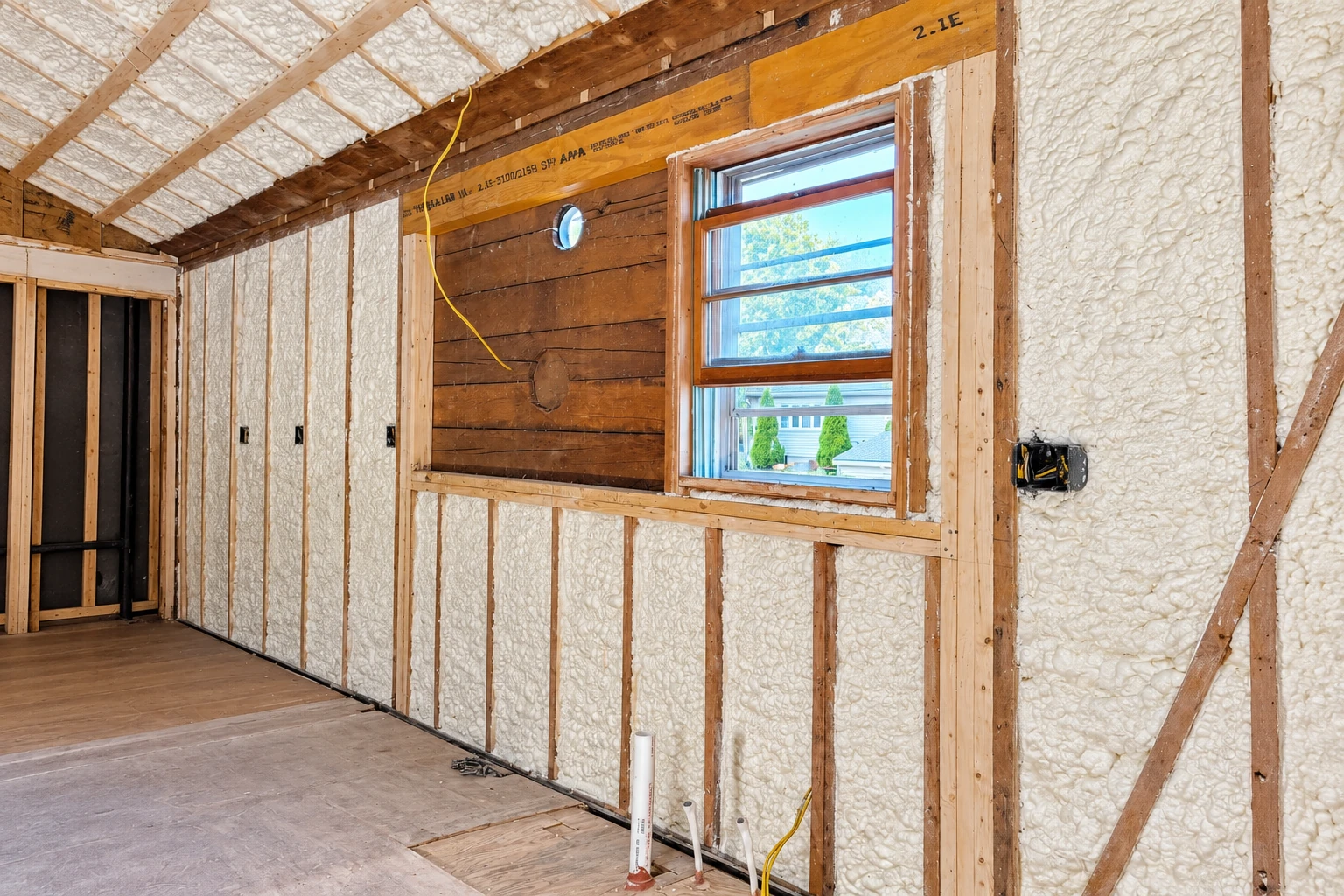
Spray foam insulation
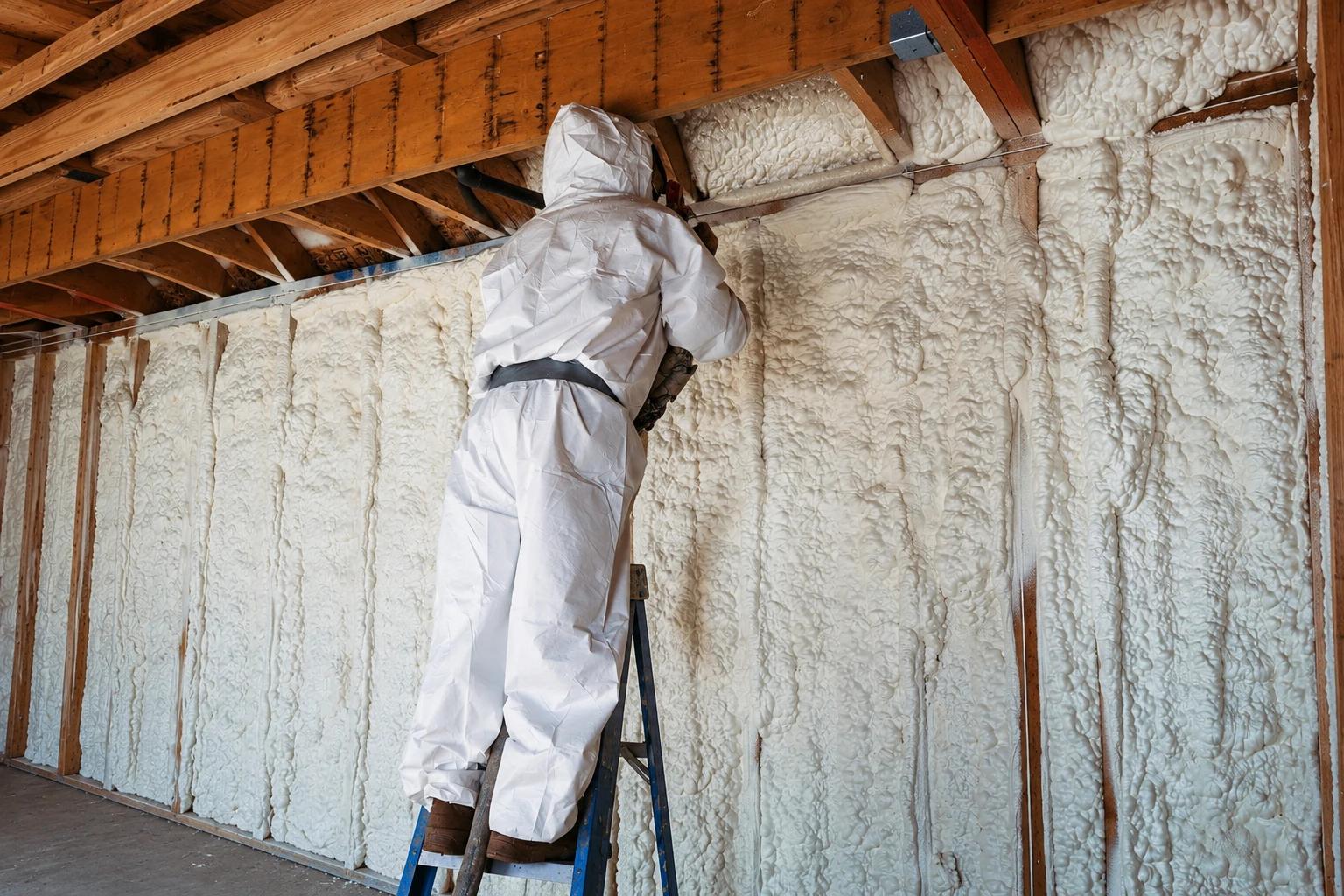
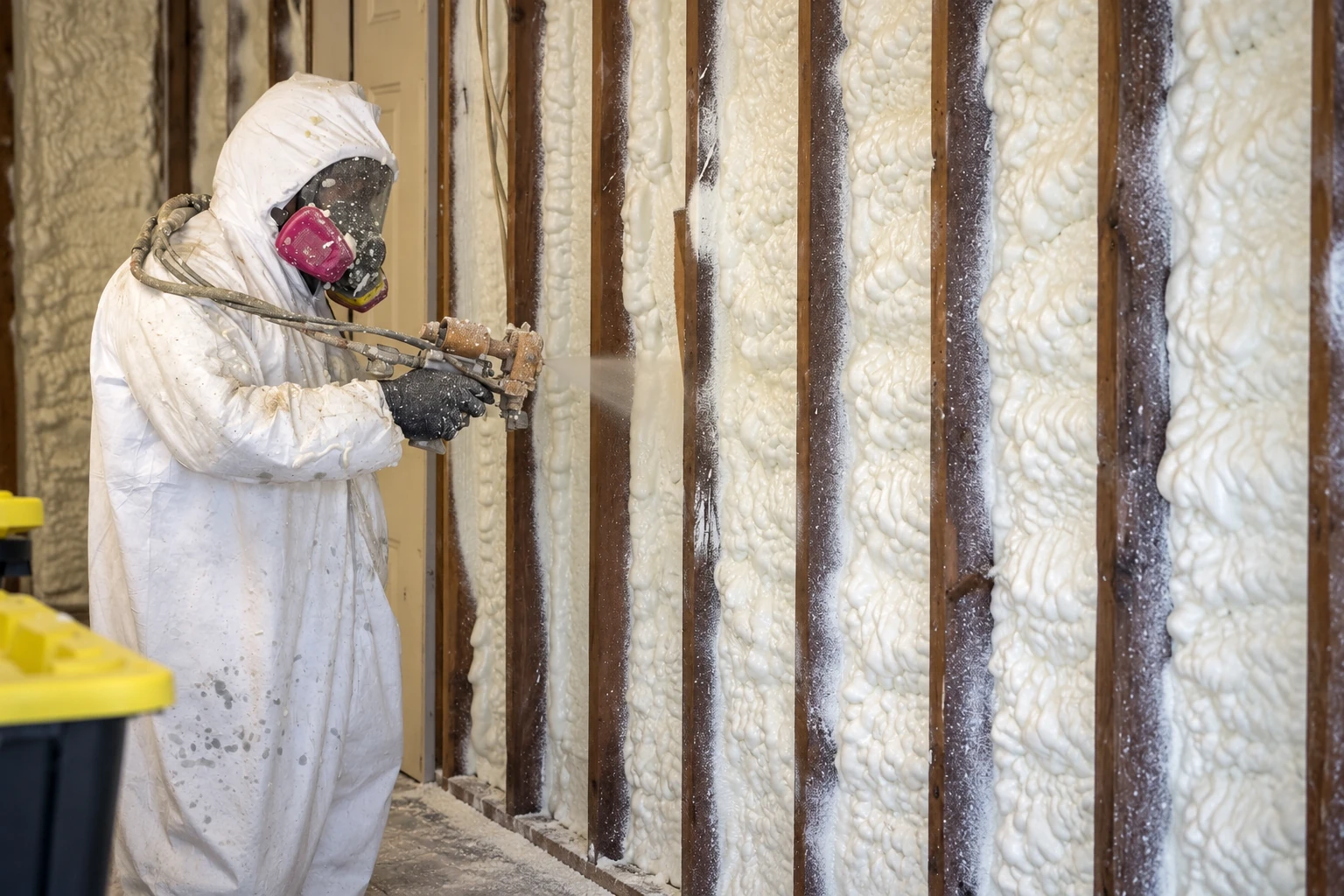
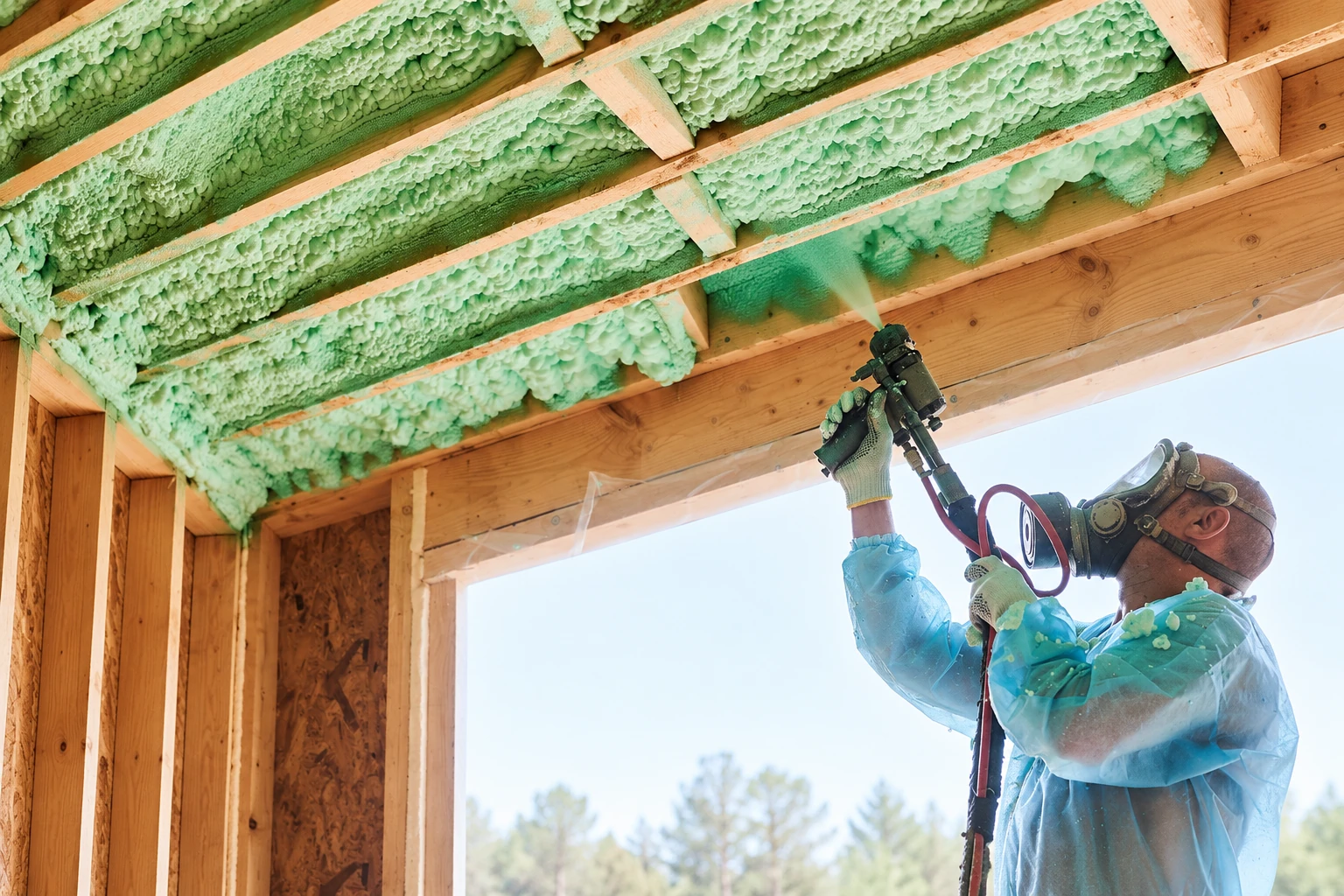
For a room over the garage or an attic where the ductwork runs, spray foam fills odd framing and stops drafts in one pass. It costs more, so I'll only suggest it where the house calls for it.
Trueseal Charleston Insulation Company insulates attics, walls and crawl spaces in Hollywood, SC, for houses with a hot upstairs, cold floors or a power bill that keeps climbing. I'll show you where your house loses heat and what's worth fixing.
We're based in Charleston, and Hollywood is one of the cities we work in, along with James Island and plenty more nearby. Out here we see a lot of older houses sitting up on crawl spaces, where the complaint is cold floors, and newer ones with a hot room over the garage. Hollywood has its own government in Charleston County, so before I quote, I check that your address falls under the Town of Hollywood, since that decides whose office you'd deal with on a permit. Town Hall answers at 843-889-3222, Monday to Thursday 8 am to 5 pm and Friday 8 am to noon.
What moves the price is what I find up top and underneath: how many inches you already have, whether old material has to come out first, how many gaps need sealing, and whether foam or loose fill is the right call. The schedule turns on that prep work, plus a permit if the job needs one. You get a written quote that lists every step, prep included, so you can see where your number comes from.
Under a raised house, the cold-floor complaint usually starts in the crawl space, so I go under and look even when you called us about the attic.
Older attics sometimes hold vermiculite or old wiring. Neither is a reason to panic, just a first step we sort out before new insulation goes in, and it shows up on your quote.
Foam costs more and seals air as it insulates. Sealing the gaps and topping up loose fill usually wins, unless your ductwork runs through the attic, and then foam earns its price.
For a room over the garage or an attic where the ductwork runs, spray foam fills odd framing and stops drafts in one pass. It costs more, so I'll only suggest it where the house calls for it.
Most hot-upstairs calls start in the attic. We measure what's already up there, seal around the hatch and light fixtures, then bring the depth up evenly out to the eaves without burying the vents.
Blown-in insulation is loose fill we blow through a hose, and it's usually the easiest way to top up an older attic that has settled thin over the years.
When the whole house feels drafty, we look at the attic, walls and floor together, so you fix the biggest leak first instead of paying to insulate a spot that was never the problem.
If old insulation got soaked by a roof leak or has droppings in it, we bag it out and clean up first, because new material laid on top just keeps the problem.
When the floor insulation under a raised house has sagged or dropped onto the dirt, we put new batts up tight against the subfloor and support them so they stay put.
Older walls are often empty or only half full. We fill them through small holes from outside or inside, then patch, so a cold wall gets fixed without opening up the whole room.
Air sealing means closing the gaps before we insulate. Around the house, that's where pipes and wires pass through the floor, along the rim of the crawl space and around attic openings.
Basements are rare around here, but where a house has one or a room set below grade, we insulate the walls with material that can handle damp ground against it.
Closed-cell foam is a dense foam that also blocks moisture, so it suits the underside of a raised floor or a wall against the ground. It's the priciest option, so I'll show you where it pays off.
Open-cell foam is softer and lighter, and it seals the underside of a roof well when ductwork runs through the attic. It costs less than closed-cell but doesn't keep moisture out the same way.
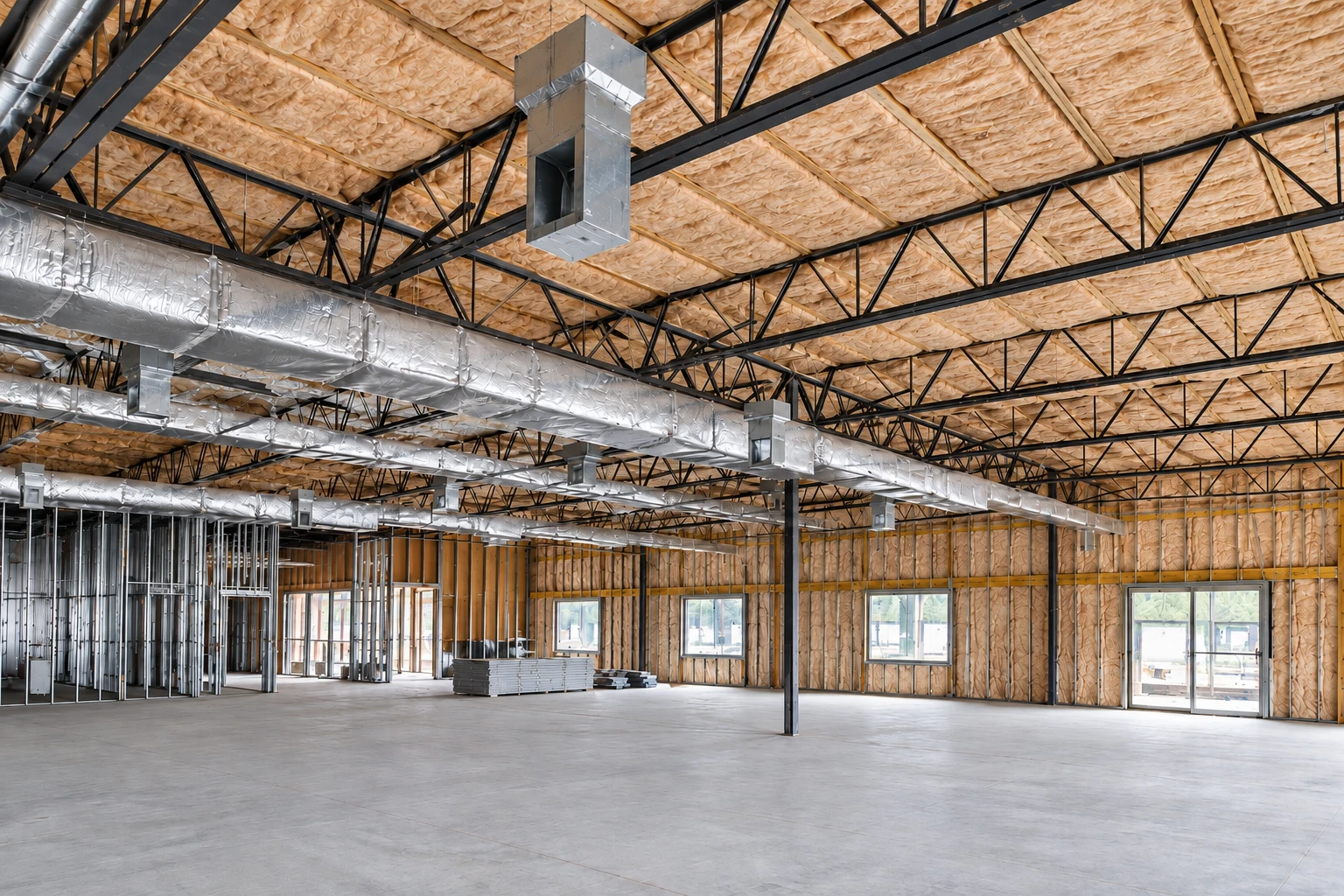
For shops, offices and small commercial buildings in and around Hollywood, I walk the building with you first, and we plan the work around your hours so it gets in your way as little as possible.
A plastic sheet over the bare dirt under a raised house keeps ground moisture from rising into the floor framing. We overlap and seal the seams and carry it up the foundation walls.
We put a vapor barrier where a wall, floor or ceiling needs one and leave it out where it would trap moisture, because one on the wrong side does more harm than good.
Before a single inch goes on top, we seal where the house leaks into the attic around the hatch, plumbing stacks and light boxes, so conditioned air stops escaping upward.
Retrofit insulation means adding to a house that's already finished and lived in. We plan around your furniture and finished rooms, working from the attic and crawl space wherever we can.
We reply within one business day, by phone or email, whichever you used to reach us. Then I come out to look at the house myself and put every step in writing.
The on-site estimate costs you nothing and commits you to nothing, because I'd rather lose a sale than talk you into work your house doesn't need.
I do every estimate and site visit myself, so the person explaining your job at the end of the driveway is the same one who answers for it later.
Our installers do the work, and I come back at the end to look it over with you, so you understand what's in your house when we leave.
These are the questions I hear most about permits, licenses and inspections when we insulate a house in Hollywood.
The town's Permits Portal takes building permit applications for all repairs, renovations and additions to structures, and I check whether your job needs one before I quote. Homeowners and contractors use that same application. If your job needs a permit, we handle the application and keep you posted on where it stands.
The state Residential Builders Commission licenses or registers people who do residential building and residential specialty contracting, and for specialty work that applies once the job is worth $500. The town also asks a contractor's first business license application for proof of state licensure where it applies, plus the invoice or contract for the job. We're licensed and insured.
CC&I Services does all inspections for town permits, Monday through Friday, and a request has to go in at least one business day ahead. A request only counts when it's made directly with a staff member, so you need to talk with someone. When we've handled your permit, I keep you posted on where it stands.
These are the cities with their own page on our site, not the only places we go. If you don't see yours, call or send the form and ask.
Holding a few insulation quotes you can't tell apart? Call (843) 278-0544 and I'll explain what each one actually covers.